
Santiago del Estero: capital city and cultural center of northern Argentina
Santiago del Estero is the capital of its namesake province in northern Argentina, founded in 1553. It is a regional administrative, agricultural and cultural hub known for its colonial heritage and folk music traditions.
Overview
Santiago del Estero is the administrative capital of Santiago del Estero Province in northern Argentina. The city lies roughly 1,042 km north‑northwest of Buenos Aires and serves as a regional center for government, education and commerce. Its urban core reflects a long colonial history while functioning today as a hub for surrounding agricultural areas.
Image gallery
10 Images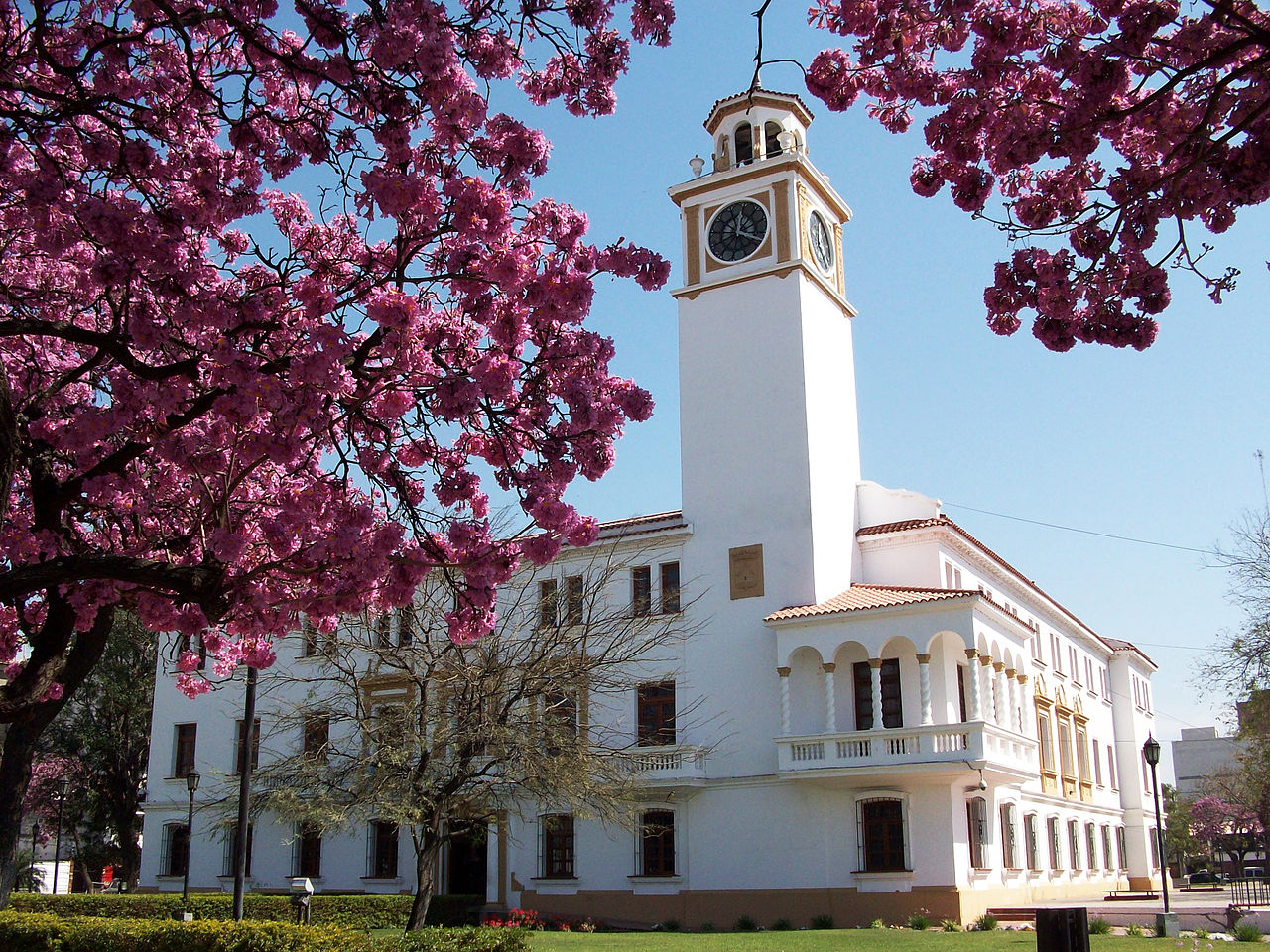




Geography and environment
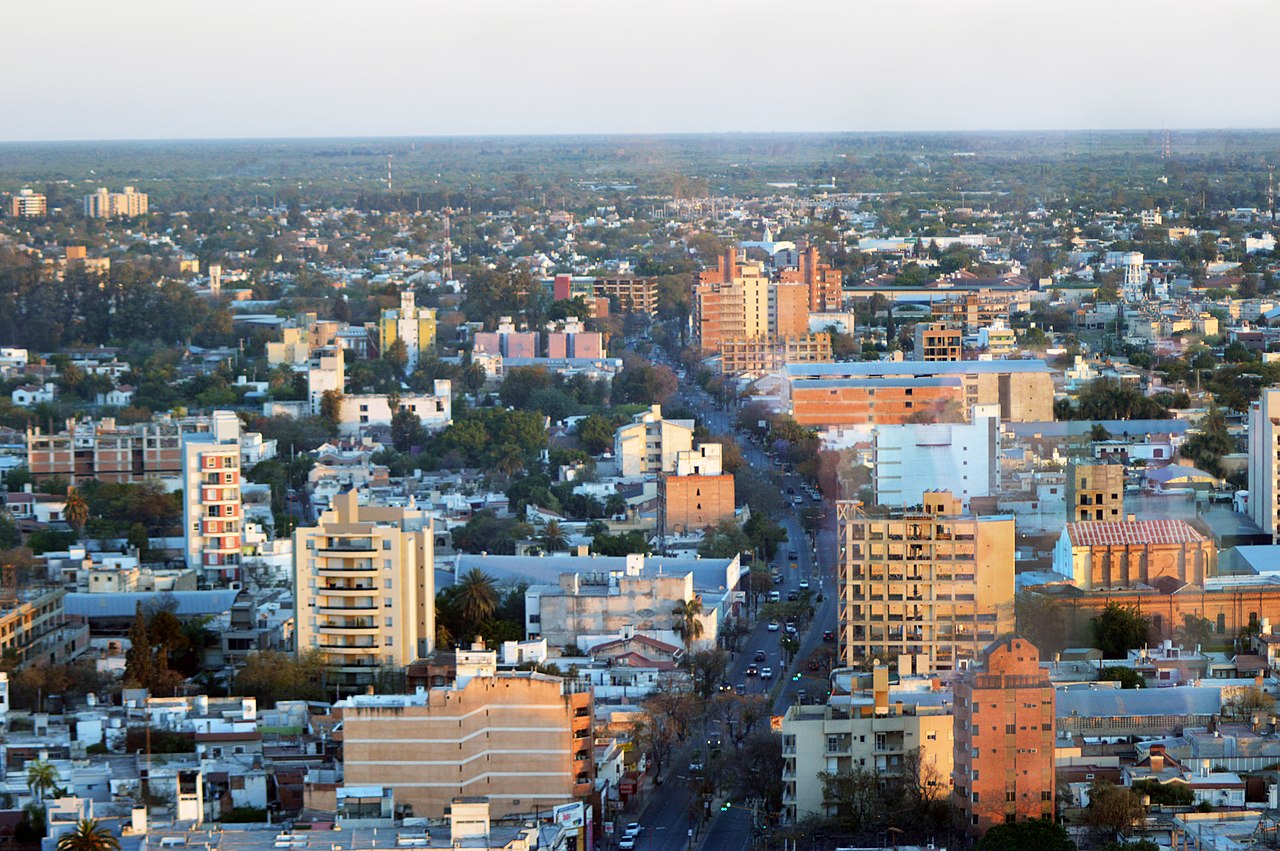
The city is located on relatively flat plains near waterways that have shaped local settlement and land use. Its name recalls a nearby marshy lagoon — the word estero means 'swamp' or 'lagoon' — and the settlement grew along the banks of the Dulce River. The surrounding landscape transitions toward the dry, wooded areas of the Gran Chaco, producing a warm, semi‑arid climate that influences irrigation and farming practices.
History and name
Santiago del Estero was re‑established in its present location on 23 December 1553 by Francisco de Aguirre. He chose the name Santiago in honor of Saint James, and added Estero to indicate the swampy lagoon nearby (the estero) close to the river. Over centuries the city became one of the oldest continuously occupied European foundations in the region, retaining colonial architecture and an orderly street layout in its historic center.
Economy and infrastructure
Today the local economy combines public administration, services, and agriculture. Irrigated plots around the city produce cash crops and support livestock; regional trade and transport links connect Santiago del Estero with other provincial centers. Municipal institutions, provincial offices and educational establishments provide employment and act as service anchors for the wider province.
Culture and notable facts
The city is an important locus for north‑Argentine folk traditions, known especially for music and dances such as the chacarera. Annual festivals, museums and a lively plaza culture preserve artisanal crafts and regional cuisine. Visitors often explore colonial churches, civic buildings and local markets that reflect the city's layered past and contemporary life.
Transport and modern development
- Regional road and rail links connect the city to other parts of the province and the nation.
- Urban development in recent decades has focused on improving water management, public services and cultural infrastructure.
- As the provincial capital, the city continues to balance heritage conservation with modernization and economic diversification.
Questions and answers
Q: What is Santiago del Estero?
A: Santiago del Estero is the capital of the Santiago del Estero Province in northern Argentina.
Q: Where is Santiago del Estero in relation to Buenos Aires?
A: Santiago del Estero is located 1,042 km (647 mi) north-northwest from Buenos Aires.
Q: Who founded Santiago del Estero?
A: Francisco de Aguirre founded Santiago del Estero.
Q: When was Santiago del Estero founded?
A: Santiago del Estero was founded on December 23, 1553.
Q: Why is Santiago del Estero called Santiago?
A: Santiago del Estero is named Santiago after Saint James.
Q: Why is Santiago del Estero called Estero?
A: Santiago del Estero is named Estero because it was close to a lagoon near the Dulce river.
Q: What is the significance of the Dulce river in relation to Santiago del Estero?
A: Santiago del Estero is close to a lagoon near the Dulce river and is likely named Estero in reference to this body of water.
Related articles
Author
AlegsaOnline.com Santiago del Estero: capital city and cultural center of northern Argentina Leandro Alegsa
URL: https://en.alegsaonline.com/art/87191
Sources
- citypopulation.de : "Argentina: Santiago del Estero"
- weatherbase.com : "Santiago del Estero, Argentina - Köppen Climate Classification"