
Autonomous communities of Spain
An accessible overview of Spain's 17 autonomous communities and two autonomous cities: structure, powers, languages, capitals, history and notable distinctions from federal systems.
Overview
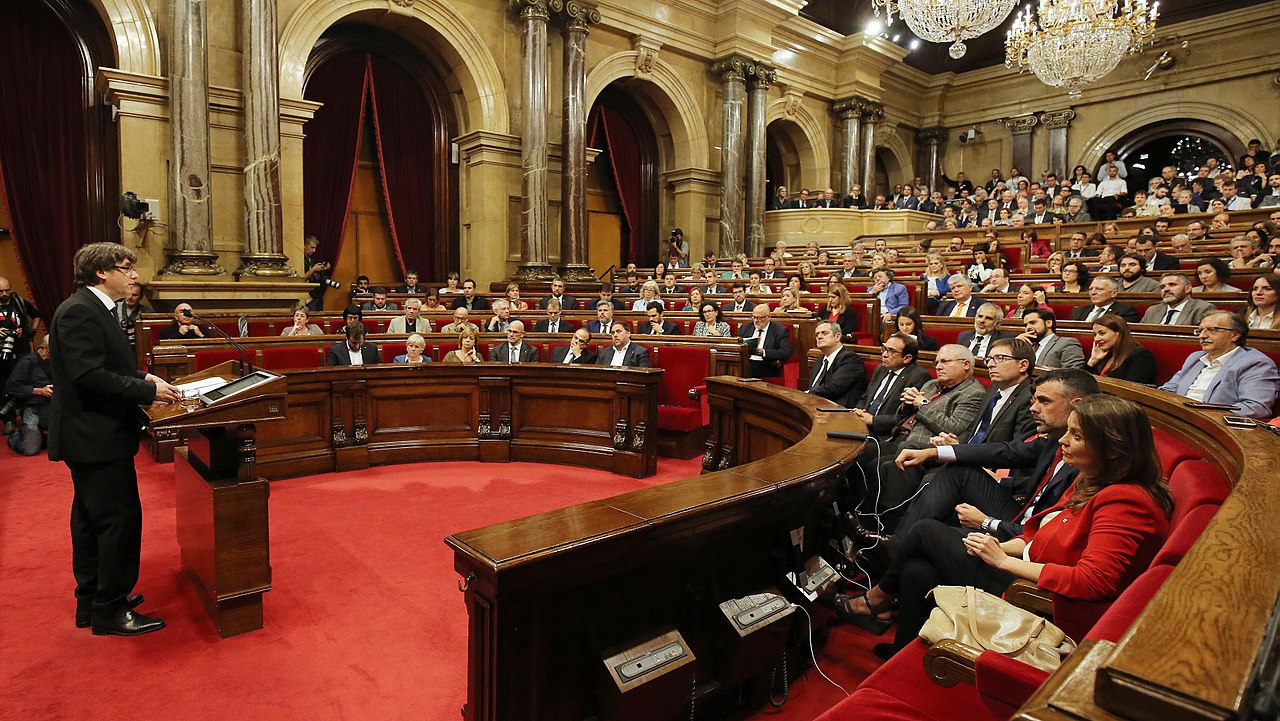
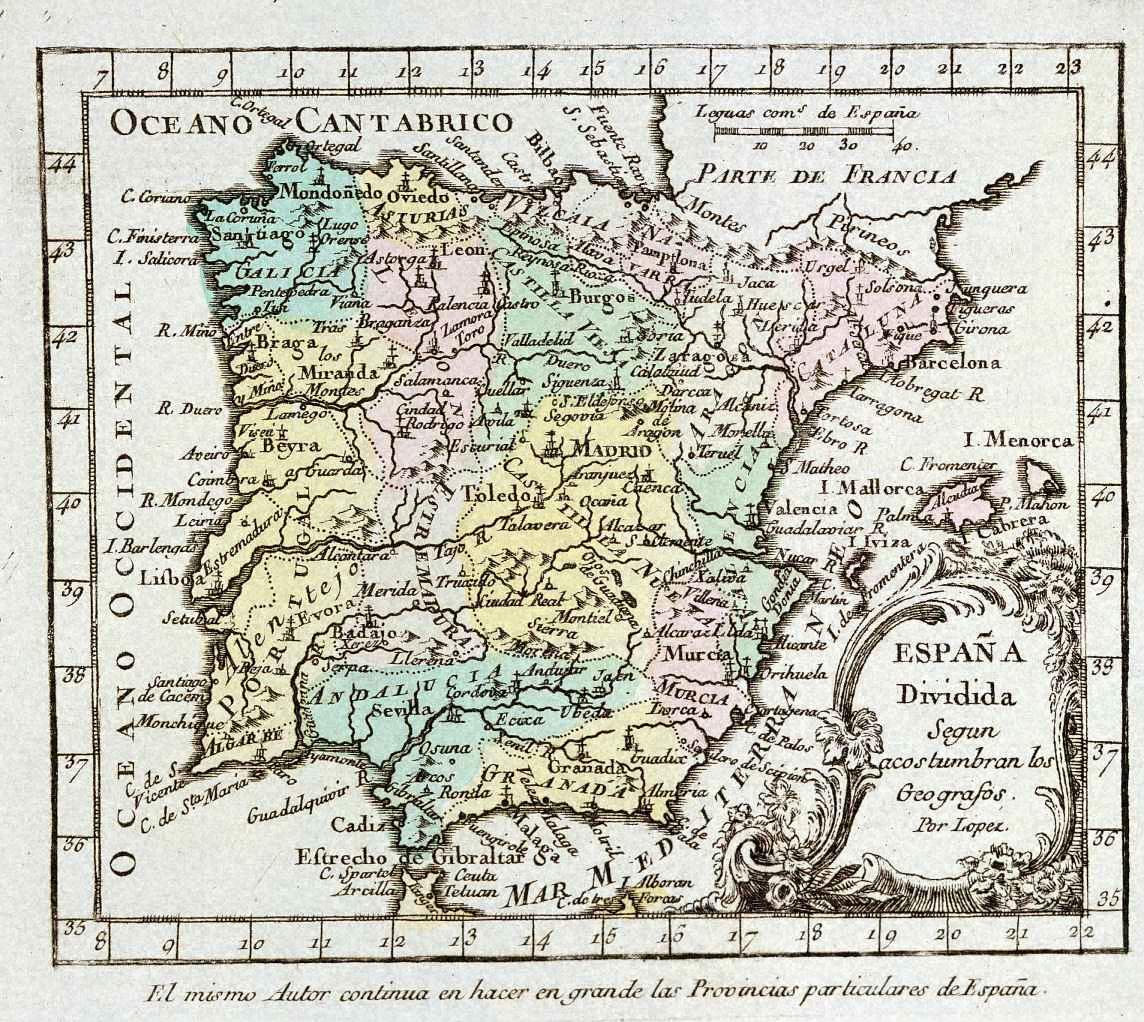
The modern state of Spain is organised into 17 autonomous communities and two autonomous cities. These entities have devolved powers of government that include regional executive, legislative and certain judicial responsibilities. The arrangement provides more regional self-government than a unitary state but differs in important ways from federations such as the United States of America.
Image gallery
10 Images






Characteristics and powers
Each autonomous community has a statute that defines its institutions, competences and relations with the central government. Typical regional competences cover education, health, transport, cultural policy and some taxation or funding arrangements. The scope of these powers varies: some communities have broad fiscal autonomy, while others rely more on central transfers. Unique fiscal arrangements apply in particular to the historical foral territories.
History and development
The current system emerged after Spain's 1978 Constitution, which created a flexible route to autonomy for provinces and historic regions. Some regions, called historic communities, had earlier legislative traditions and consolidated their autonomy quickly. Over subsequent decades, statutes of autonomy were negotiated and reformed to reflect regional identities and practical needs.
Languages and identity
Spanish (Castilian) is the official state language, but in several communities it is co-official with regional languages. Examples include Catalonia, where Catalan and local varieties such as Occitan enjoy co-official status, and the Valencian Community, where the same language is often called Valencian. The Balearic Islands also recognise Catalan, while Galicia recognises Galician. The Basque Country and parts of Navarre recognise Basque as co-official in their territories.
List of communities and their capitals
- Andalusia — Sevilla
- Aragon — Zaragoza
- Asturias — Oviedo
- Balearic Islands — Palma de Mallorca
- Basque Country — Vitoria
- Canary Islands — twin capitals Las Palmas de Gran Canaria and Santa Cruz de Tenerife
- Cantabria — Santander
- Castile-La Mancha — Toledo
- Castile and León — Valladolid
- Catalonia — Barcelona
- Extremadura — Mérida
- Galicia — Santiago de Compostela
- La Rioja — Logroño
- Community of Madrid — Madrid
- Region of Murcia — Murcia
- Navarre — Pamplona
- Valencian Community — Valencia
Special cases and notable facts
Two Spanish enclaves on the north African coast, Ceuta and Melilla, are designated autonomous cities. They combine many competences of an autonomous community with provincial and municipal functions. Meanwhile, the Basque Country and Navarre retain historic fiscal privileges known as 'foral' rights, which affect taxation and public finance at the regional level.
Because competences, funding and political priorities differ among communities, the Spanish state operates as an asymmetrical decentralised system. This allows regions to protect language and culture, manage public services locally and negotiate their place within the national framework, while the Constitution and central institutions provide shared legal and international coherence.
Questions and answers
Q: What are the 17 parts of Spain called?
A: The 17 parts of Spain are called autonomous communities.
Q: How do the autonomous communities in Spain compare to states in the United States?
A: The autonomous communities in Spain have similar powers to states in the United States, but they are not exactly the same.
Q: What are the four historic communities in Spain?
A: The four historic communities in Spain are Catalonia, Basque Country, Galicia and Andalusia.
Q: What languages are official in each autonomous community?
A: Spanish is the sole official language for all of the autonomous communities except six, where it is co-official with other languages such as Catalan, Occitan Valencian, Galician and Basque.
Q: What cities have simultaneously majority power of an autonomous community as well as power of provinces and municipalities?
A: Ceuta and Melilla on the north coast of Africa have simultaneously majority power of an autonomous community as well as power of provinces and municipalities.
Q: Which is the capital city for Andalusia?
A: The capital city for Andalusia is Sevilla.
Related articles
Author
AlegsaOnline.com Autonomous communities of Spain Leandro Alegsa
URL: https://en.alegsaonline.com/art/7626