
Santiago del Estero Province
Northern Argentine province centered on the city of Santiago del Estero; notable for its semi-arid plains, historic colonial city, folk music traditions and agriculture along the Dulce River.
Overview
Santiago del Estero is a province in northern Argentina with a provincial capital that shares its name. It occupies a transition zone between dry lowlands and wetlands and is known for a long history of settlement, a distinct rural culture and seasonal extremes of heat and rainfall. The province forms part of the broader Gran Chaco and central Argentine plains and plays a regional role in agriculture and traditional arts. See Argentina for national context.
Image gallery
10 Images


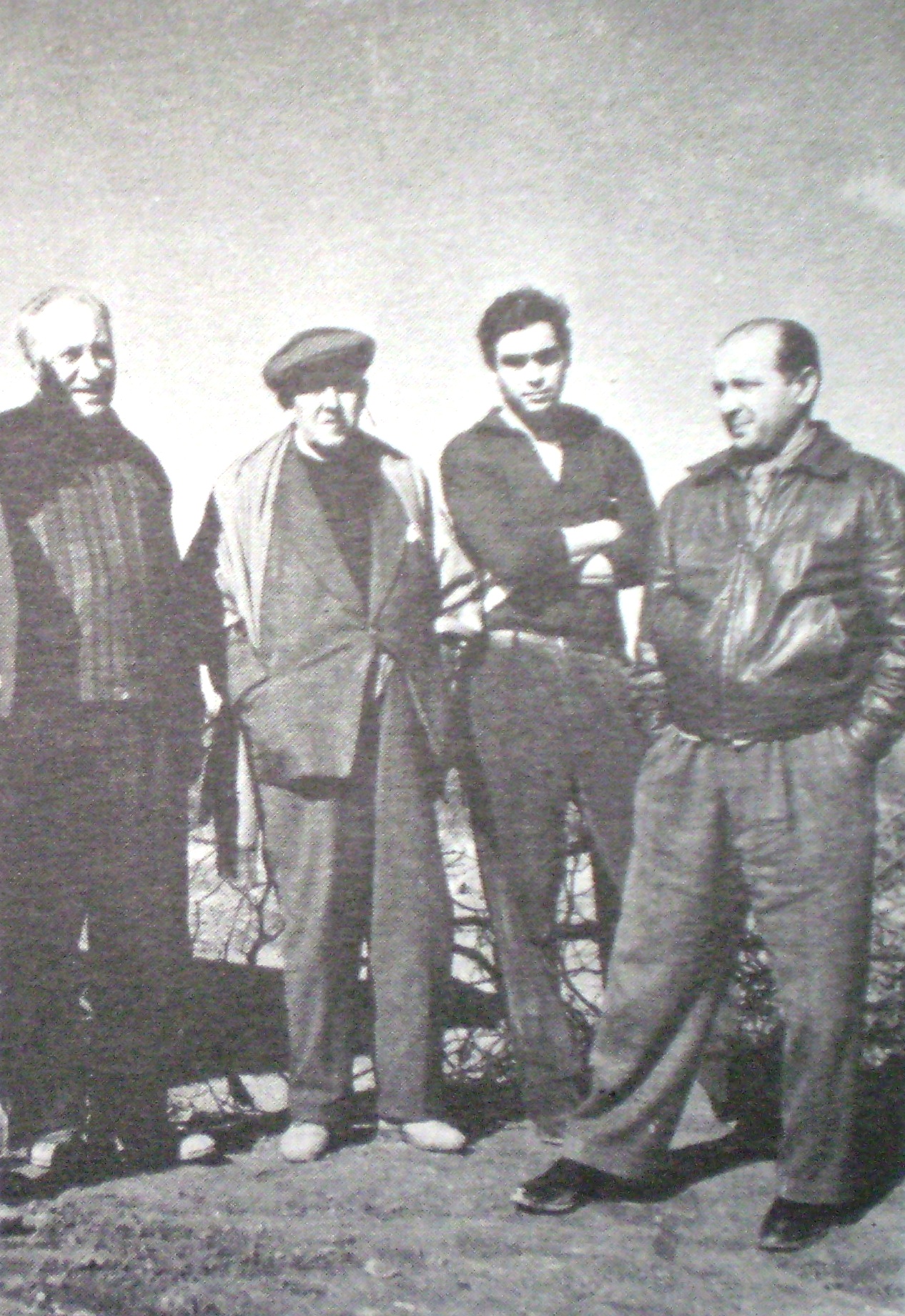

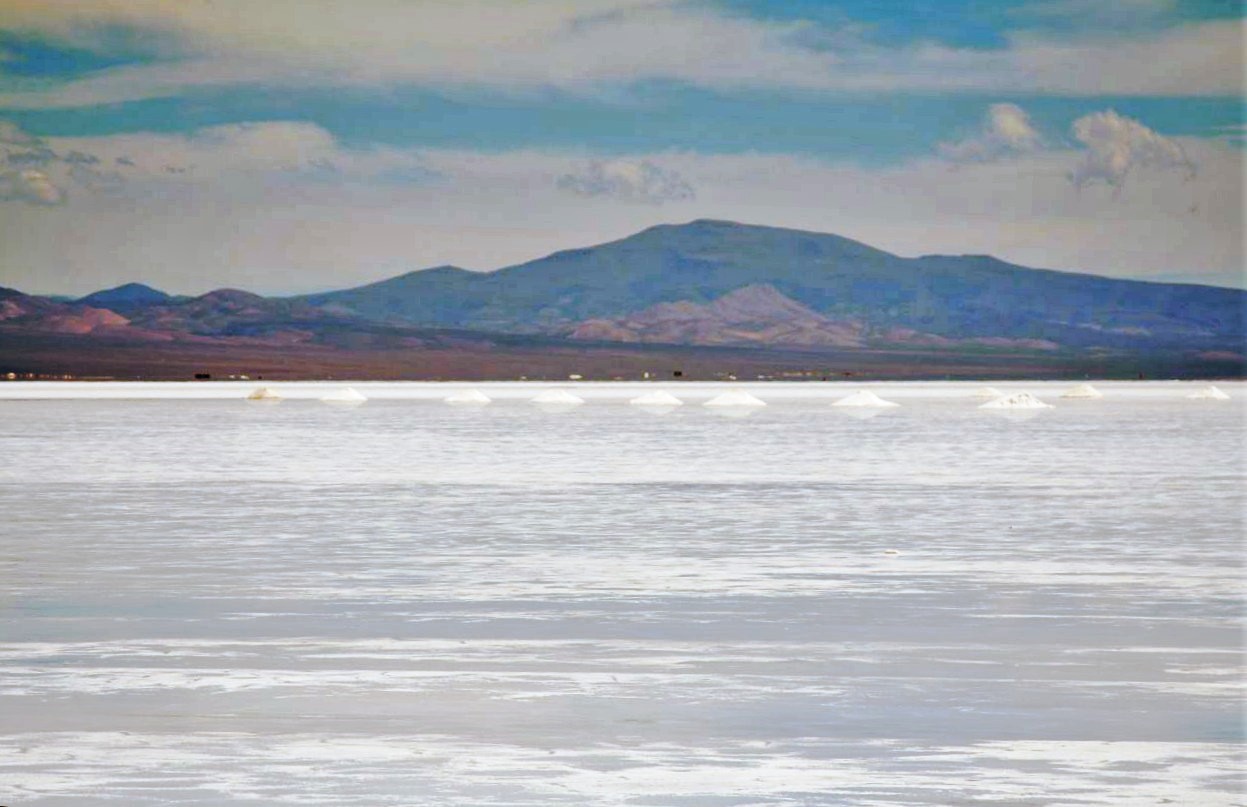
Geography and climate
The landscape is dominated by flat plains, seasonally flooded lowlands and patches of dry forest. Rivers such as the Dulce provide the main watercourses used for irrigation and local transport, supporting crops and livestock in an otherwise arid to semi‑humid climate. Summers are hot and can be humid; winters are mild and drier. Natural vegetation, soil types and water availability vary across the province, influencing settlement patterns and land use.
History and development
The provincial capital is one of the oldest continuous settlements in the region, established during the colonial era in the 16th century. Indigenous communities lived in the area long before European contact; colonial foundations, Jesuit influence and later Argentine nation‑building shaped its institutions and towns. Over time the province developed as an agricultural and ranching hinterland connected to larger urban markets.
Economy and society
Agriculture and livestock remain important economic activities, with irrigated fields producing crops such as cotton, grains and oilseeds where water is available. Rural economies coexist with urban services in the capital and other towns. Social life often centers on family networks, communal festivities and local markets. Infrastructure challenges and variable rainfall have historically affected development and prompted investments in roads and irrigation.
Culture and traditions
Santiago del Estero is widely recognized for its contributions to Argentine folk culture: traditional music and dance styles developed there have had national influence. Artisanal crafts, regional cuisine and popular festivals preserve local identity. The city of Santiago del Estero contains colonial-era churches and plazas that serve as cultural focal points. Learn more about the provincial capital at the capital and about the city itself at this city entry.
Administration and notable facts
The province is organized into departments and municipalities that administer local services and land use. It balances a largely rural population with urban concentrations in the capital and a few other towns. Santiago del Estero often appears in discussions of regional development, cultural heritage and water management. For official or detailed administrative information consult relevant sources.
- Capital: Santiago del Estero (city)
- Main river: Río Dulce
- Noted for: folk music, colonial history, agriculture
Related articles
Author
AlegsaOnline.com Santiago del Estero Province Leandro Alegsa
URL: https://en.alegsaonline.com/art/87190
Sources
- sde.gov.ar : "Gobernador"
- weatherbase.com : "Santiago del Estero, Argentina - Köppen Climate Classification"
- citypopulation.de : "Argentina: Santiago del Estero"
- biblioteca.municipios.unq.edu.ar : "Superficie de partidos y departamentos según división político territorial"