
Santiago Rodríguez Province
Northwestern province of the Dominican Republic centered on San Ignacio de Sabaneta; established 1948. Predominantly rural with agriculture, cattle raising, and local cultural traditions.
Santiago Rodríguez is a province in the northwestern region of the Dominican Republic. Its administrative capital is San Ignacio de Sabaneta. The province is often described as largely rural and agricultural, with smaller towns, rolling hills and river valleys that shape local life. For national context see Dominican Republic and for administrative details see Santiago Rodríguez.
Image gallery
3 Images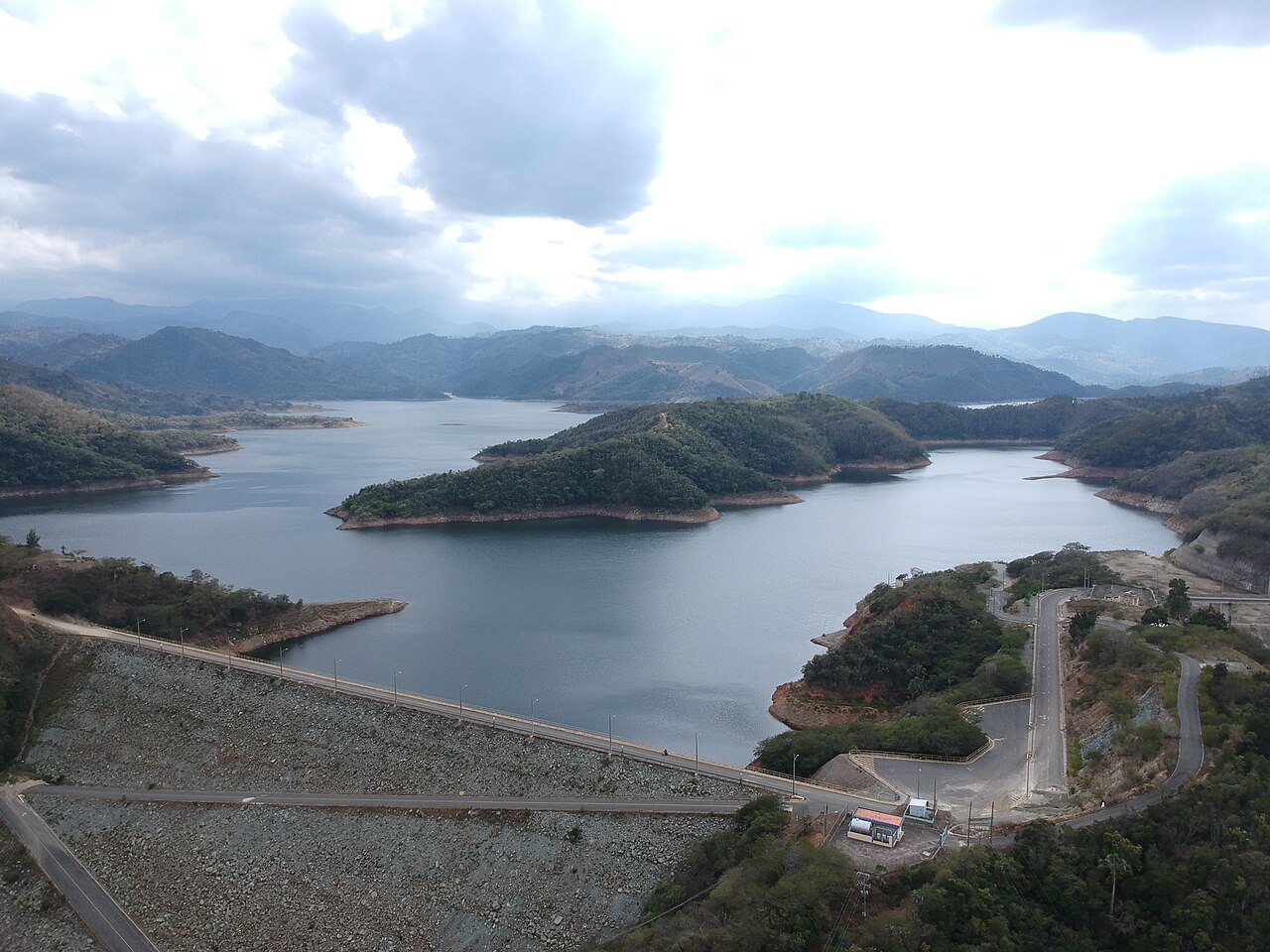


Geography and environment
The landscape combines modest mountain ranges, interspersed valleys and inland waterways. Soils and microclimates support crops and livestock rather than large-scale urban development. Climate is tropical with wet and drier seasons, and rivers and springs provide irrigation for farming and domestic use. Natural vegetation and secondary forest remain in less cultivated zones.
History and name
The province was formally created in 1948 as an administrative division. Its name honors Santiago Rodríguez, a 19th‑century military leader associated with the country’s struggles after independence. Local history reflects colonial-era settlement patterns, nineteenth‑century conflicts and twentieth‑century administrative reorganization.
Economy and society
The local economy is dominated by agriculture and cattle raising, including subsistence and commercial crops such as plantains, rice, coffee and other tropical produce common to the region. Small commerce, artisan activity and remittances from migrant family members supplement incomes. Urban infrastructure is concentrated in the capital, with public services and markets serving surrounding rural communities.
Cultural life and points of interest
Cultural life centers on municipal festivals, traditional cuisine and community events tied to the agricultural calendar. Handicrafts, local foods and music reflect mixed rural traditions. While it is not a major tourist hub, the province offers opportunities for rural and eco‑tourism, local gastronomy and visits to small historical centers.
- Capital: San Ignacio de Sabaneta
- Established: 1948
- Main activities: agriculture, cattle raising, local commerce
- Administration: subdivided into municipalities and municipal districts serving rural communities
Because the province is less urbanized than many coastal or metropolitan areas, its development priorities commonly include improving transport links, water management for agriculture and expanding services in health and education. Those interests shape local policy and community projects today.
Questions and answers
Q: Where is Santiago Rodríguez located?
A: Santiago Rodríguez is located in the northwestern part of the Dominican Republic.
Q: What year was Santiago Rodríguez created?
A: Santiago Rodríguez was created in 1948.
Q: What is the capital city of Santiago Rodríguez?
A: The capital city of Santiago Rodríguez is San Ignacio de Sabaneta.
Q: How many provinces are there in the Dominican Republic?
A: There are 32 provinces in the Dominican Republic.
Q: What type of province is Santiago Rodriguez?
A: Santiago Rodriguez is a province of the Dominican Republic.
Q: Is San Ignacio de Sabaneta a large city?
A: It depends on one's definition of "large." San Ignacio de Sabaneta has a population of approximately 25,000 people, which may be considered small or large depending on context.
Related articles
Author
AlegsaOnline.com Santiago Rodríguez Province Leandro Alegsa
URL: https://en.alegsaonline.com/art/87197
Sources
- one.gob.do : "División Territorial 2012"
- censo2010.one.gob.do : "IX Censo Nacional de Población y Vivienda 2010"
- one.gob.do : "División Territorial 2015"
- one.gob.do : "REPÚBLICA DOMINICANA: Población por año calendario, según sexo y grupos quinquenales de edad, 2015-2020"
- geonames.org : "Sabaneta"