
Santa Cruz Province, Argentina
A large, sparsely populated province in Argentine Patagonia known for glaciers, sheep ranching, mining and national parks such as Los Glaciares and Perito Moreno.
Overview
Santa Cruz is a sparsely populated province in the southern part of Argentina. It lies in the region commonly called Patagonia and forms one of the country’s southernmost provinces. It borders Chile to the west and south and opens onto the Atlantic Ocean to the east. The provincial government is centered in the city of Río Gallegos, while smaller towns such as Caleta Olivia, El Calafate and Río Turbio serve as local economic and transport hubs.
Image gallery
9 Images




Geography and climate
The province combines Andean mountain ranges and ice fields in the west with wide steppe and coastal plains to the east. Its western sector contains many glaciers that descend from the Southern Patagonian Ice Field; one of the best known is the Perito Moreno glacier within the province's protected areas. Rainfall is generally low away from the mountains, producing cold, dry conditions that support shrub-steppe vegetation and extensive grazing lands.
Economy and resources
Santa Cruz's economy is diversified for a low-density region. Traditional sheep ranching remains important, supplying wool and meat. Mining includes coal at Río Turbio as well as extraction of minerals such as gold, clay, gypsum and salt. Offshore and coastal fishing, plus hydrocarbons and energy projects, also contribute. Tourism centered on glaciers, mountain trekking and wildlife draws visitors seasonally.
Protected areas and tourism
Several national parks and reserves protect glaciers, lakes, forested valleys and coastal habitats. Perito Moreno National Park and Los Glaciares National Park are among the best known, with the latter recognized internationally for its glacier landscapes. Towns like El Calafate and El Chaltén serve as gateways for glacier viewing, hiking and mountaineering activities.
History, population and society
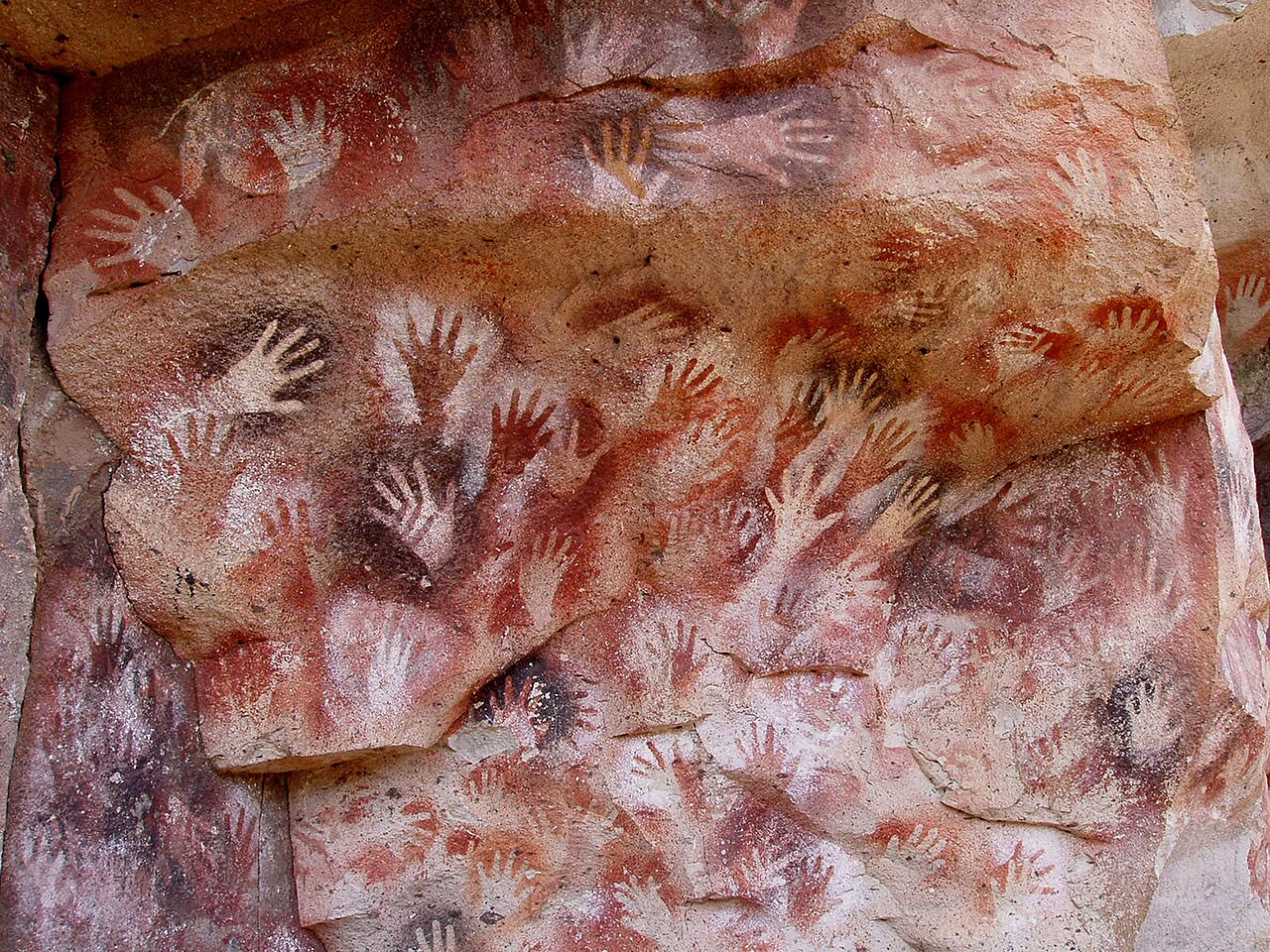
Human presence in the region dates back to indigenous Patagonian groups such as the Tehuelche. European exploration and settlement accelerated in the 19th and 20th centuries, followed by the development of estancias (large sheep ranches) and resource extraction. Today Santa Cruz remains one of Argentina’s least populated provinces, characterized by large estancias, small urban centers and communities tied to mining and tourism.
Notable facts and distinctions
- Second largest Argentine province by area and among the most sparsely inhabited in mainland Argentina.
- Hosts important glacial and mountain landscapes that are major tourist draws.
- Contains Argentina’s only large active coal operation near Río Turbio and varied mineral deposits.
For practical information on travel, conservation and local services consult provincial guides and official resources via links such as national or regional portals and tourism sites (neighboring country context, marine and coastal resources).
Related articles
Author
AlegsaOnline.com Santa Cruz Province, Argentina Leandro Alegsa
URL: https://en.alegsaonline.com/art/87120
Sources
- 200.51.91.231 : Censo 2010 Argentina resultados provisionales: mapas