
Patagonia: geography, nature, history and human use
Patagonia is the sparsely populated region at South America's southern tip, shared by Argentina and Chile. Known for rugged mountains, windswept plateaus, glaciers, unique wildlife and growing tourism.
Overview
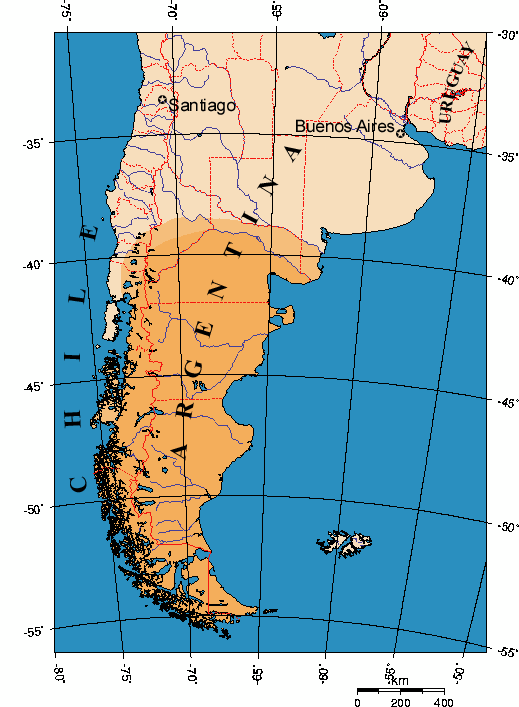
Patagonia occupies the southern end of South America and is divided between Argentina and Chile. The name conveys a vast, often remote landscape of sharp contrasts: coastal fjords and islands, the towering spine of the Andes, broad arid plateaus and extensive glacial fields. It is widely celebrated for its scenic drama and for being sparsely populated compared with other parts of the continent.
Image gallery
10 Images




Geography and climate
The region stretches from roughly the latitude of central Argentina and Chile to the tip of the continent. West of the Andes the terrain descends to fjords, channels and temperate rainforests, while eastward the land opens into semi-arid steppes and the Patagonian Desert. The climate varies from cool, wet conditions on the Pacific side to cold, dry windswept plains inland and subpolar conditions in the far south. Glaciers and ice fields, inherited from past ice ages, remain prominent features.
Flora and fauna
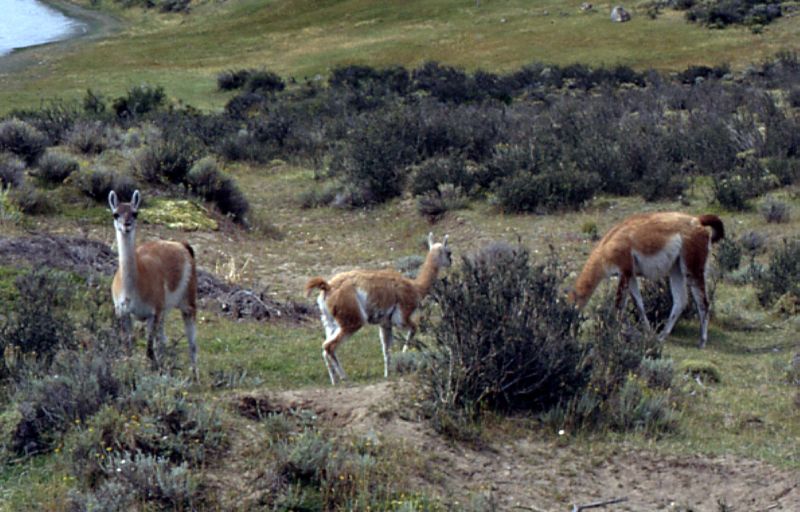
Patagonia supports a range of ecosystems: Magellanic forests, shrublands and cold grasslands. Plant life includes hardy shrubs, southern beech woodlands and cushion plants adapted to strong winds. Animal life features iconic species such as guanaco and rhea, large birds like the Andean condor, and coastal colonies of seals and penguins. Rivers and lakes host trout and other freshwater species introduced and native.
Human history and culture
Long before European contact, indigenous peoples including groups often referred to collectively in historical accounts inhabited Patagonia. Later explorers, settlers and ranchers transformed parts of the landscape for grazing. Towns and ports developed along the coasts and near river valleys. Today the region combines elements of indigenous heritage, rural ranching culture and communities oriented around nature-based industries.
Uses, tourism and economy
Traditionally sheep and cattle ranching were economic mainstays; extractive industries and commercial fishing are also present. In recent decades tourism has grown substantially, drawn by trekking, mountaineering, wildlife watching and glacier viewing at sites such as noted national parks and protected areas. Adventure tourism and services linked to conservation and research are increasingly important.
Conservation and notable facts
Many parts of Patagonia are set aside as national parks or reserves to protect landscapes and species. Scientists and park managers monitor changes to glaciers, ecosystems and wildlife; some glaciers have shown retreat consistent with global climate trends. The region remains internationally valued for its open skies, dramatic topography and for offering one of the more intact examples of southern temperate and cold-climate environments.
- Key landscapes: Andes, ice fields, steppes, fjords.
- Wildlife highlights: guanaco, rhea, condor, penguins.
- Cultural notes: long indigenous presence, later ranching traditions.
For regional overview and travel planning consult resources for South America and the two national jurisdictions: South America, Argentina, Chile, and references on the Andes.
Questions and answers
Q: Where is Patagonia located?
A: Patagonia is located at the southern end of South America, shared by Argentina and Chile.
Q: What kind of landscapes can be found in Patagonia?
A: Patagonia has some of the most dramatic landscapes on Earth, including the Andes mountains.
Q: Which country borders Patagonia to the southwest?
A: Patagonia is bordered by the Pacific Ocean to the southwest.
Q: Which mountain range can be found in Patagonia?
A: The southern section of the Andes mountains can be found in Patagonia.
Q: Which two countries share the land of Patagonia?
A: Argentina and Chile share the land of Patagonia.
Q: What makes Patagonia's landscapes so dramatic?
A: Patagonia's landscapes are dramatic because of its mountain range and natural features.
Q: Where is Patagonia located in relation to other continents?
A: Patagonia is located at the southern end of South America, also known as the southernmost tip of the continent.
Related articles
Author
AlegsaOnline.com Patagonia: geography, nature, history and human use Leandro Alegsa
URL: https://en.alegsaonline.com/art/74985
Sources
- en.wikisource.org : Relazione del primo viaggio intorno al mondo
- tools.wmflabs.org : 41°48′37″S 68°54′23″W / 41.81015°S 68.90627°W / -41.81015; -68.90627