
Santa Monica Mountains
Coastal mountain range in southern California, United States, known for Mediterranean ecosystems, recreation, and proximity to Los Angeles.
Overview
The Santa Monica Mountains form a low, coastal mountain chain in Southern California, running roughly east–west along the northern edge of the Pacific coast near the Los Angeles area. They lie within the state of California and are part of the broader Transverse Ranges system in the United States. Their ridgelines, canyons and coastal bluffs create a visible natural backdrop to many communities of greater Los Angeles.
Image gallery
10 Images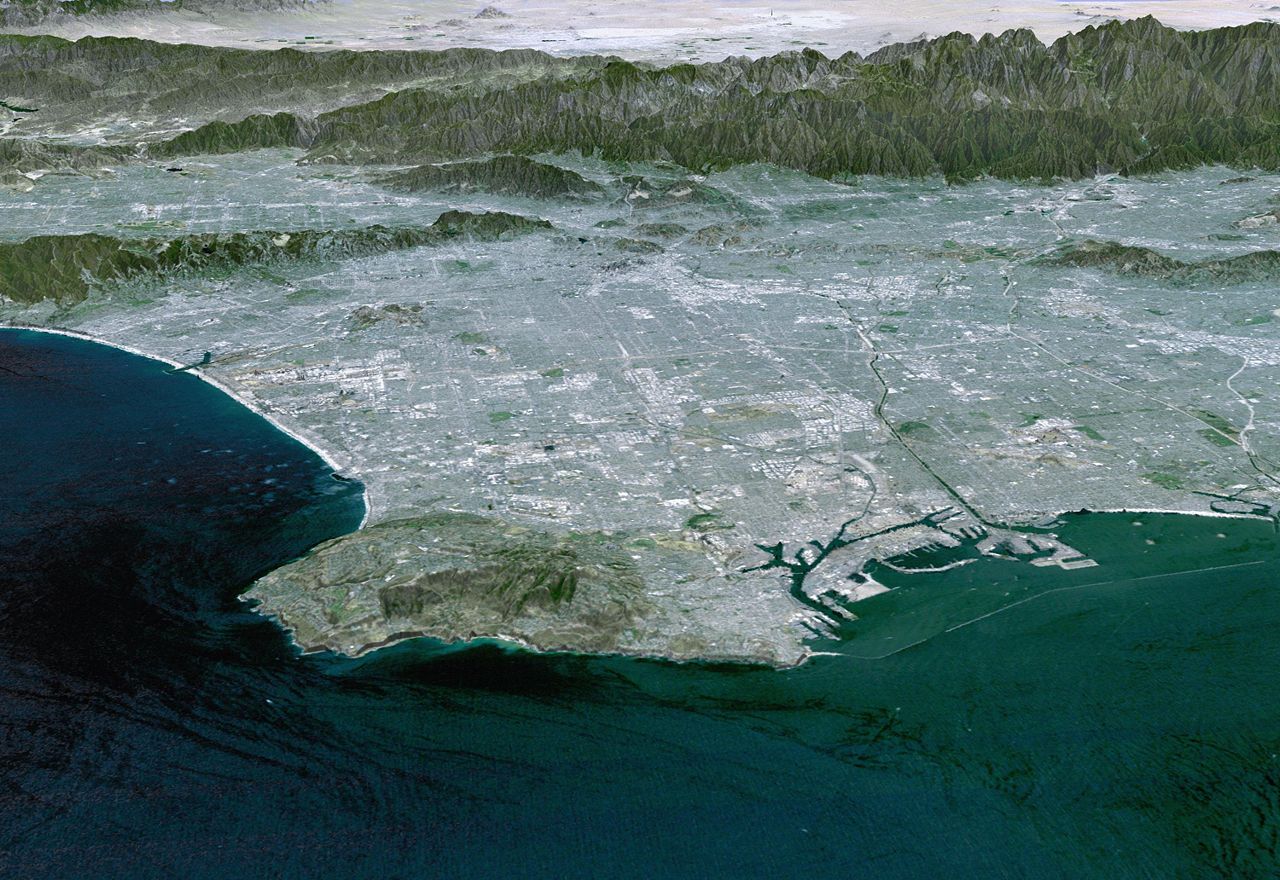


Geology and ecology
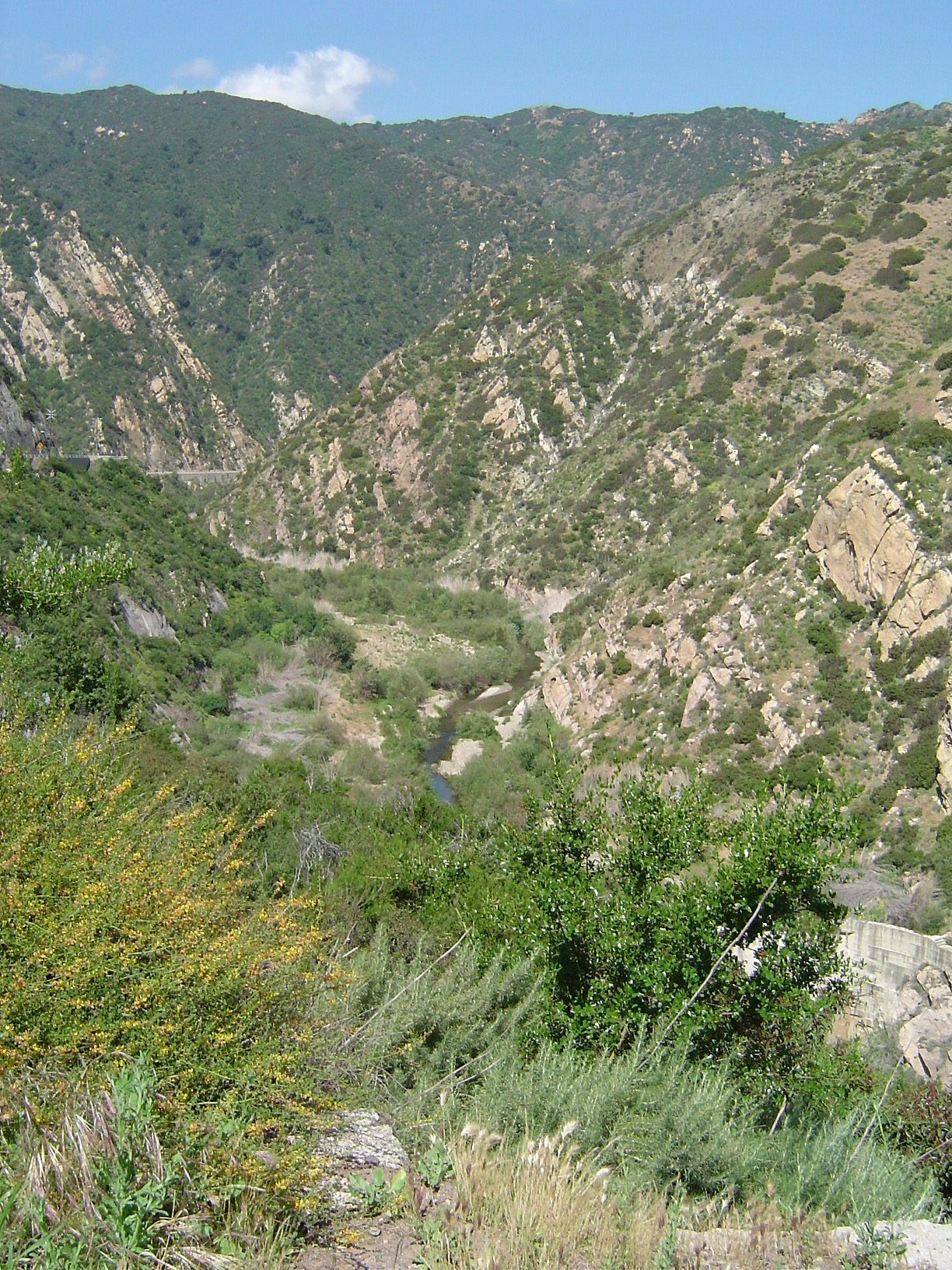
Geologically the range is the product of uplift and erosion acting on varied rock types, including sedimentary and volcanic formations. The mountains host a Mediterranean climate and a mosaic of habitats: chaparral, oak woodlands, coastal sage scrub and riparian corridors. Native wildlife includes coyotes, bobcats, numerous bird species and endemic plants adapted to seasonal drought. The highest summit is Sandstone Peak, rising to above 3,000 feet; Mount Lee is another well known site, marked by the Hollywood Sign.
Human history and conservation
Indigenous peoples long occupied the area before Spanish and later American settlement; the region contains archaeological sites and cultural landscapes. In the 20th century expanding development brought pressure on open space, leading to conservation actions and the creation of protected units such as the Santa Monica Mountains National Recreation Area. These initiatives aim to preserve habitat, protect watersheds and maintain public access while balancing the demands of a dense urban region.
Recreation and public use
The range is a major outdoor recreation destination for hiking, trail running, mountain biking, equestrian use and scenic driving. Trails like the Backbone Trail traverse long sections of the mountains, linking beaches, canyons and ridgelines. Proximity to Los Angeles makes the area a frequent day-use destination for residents and visitors seeking natural landscapes close to the city.
Environmental challenges and importance
As an urban-adjacent wildland, the Santa Monica Mountains face challenges such as wildfire, drought stress, invasive species and habitat fragmentation. Conservation efforts focus on restoring native communities, improving wildlife connectivity and managing fire risk. The mountains play an outsized role in regional biodiversity, groundwater recharge and recreation because of their location adjacent to a large metropolitan population.
Notable facts
- They form a visible natural boundary between coastal plains and inland urban areas.
- Landmarks within the range include prominent peaks, coastal canyons and cultural sites associated with film and local history.
- The area is managed through a mix of federal, state and local parks, private holdings and nonprofit conservation land.
Questions and answers
Q: Where are the Santa Monica Mountains located?
A: The Santa Monica Mountains are located in southern California in the United States.
Q: How many mountains make up the Santa Monica Mountains?
A: The Santa Monica Mountains is a group of mountains, however an exact number of how many mountains make up this group is not specified.
Q: What type of geographical feature are the Santa Monica Mountains?
A: The Santa Monica Mountains are a mountain range.
Q: Are there any other geographical features near the Santa Monica Mountains?
A: Yes, there are other geographical features near the Santa Monica Mountains such as hills and valleys.
Q: Is it possible to hike through the Santa Monica Mountains?
A: Yes, it is possible to hike through parts of the Santa Monica Mountain range.
Q: What type of wildlife can be found in or around the Santa Monica Mountains?
A: Various types of wildlife can be found in or around the Santa Monica Mountain range including deer, coyotes, bobcats, and mountain lions.
Q: Are there any historical sites within or near to the area of the Santa Monica Mountain Range?
A:Yes, there are several historical sites within or near to area of theSantaMonicaMountainRange including Native American archaeological sites and Spanish-era ranchos.
Related articles
Author
AlegsaOnline.com Santa Monica Mountains Leandro Alegsa
URL: https://en.alegsaonline.com/art/87149
Sources
- geonames.usgs.gov : "Santa Monica Mountains"
- geonames.usgs.gov : "Sandstone Peak"
- geonames.usgs.gov : "Boney Mountain"
- geonames.usgs.gov : "Castro Peak"
- geonames.usgs.gov : "Saddle Peak"
- geonames.usgs.gov : "Calabasas Peak"
- geonames.usgs.gov : "San Vicente Mountain"
- geonames.usgs.gov : "Clarks Peak"
- geonames.usgs.gov : "Mesa Peak"
- geonames.usgs.gov : "Cahuenga Peak"
- geonames.usgs.gov : "Brents Mountain"
- geonames.usgs.gov : "Mount Lee"
- geonames.usgs.gov : "Mount Hollywood"
- geonames.usgs.gov : "La Jolla Peak"
- geonames.usgs.gov : "Laguna Peak"