
Santa Fe County, New Mexico: overview, geography, history and culture
County in north-central New Mexico whose seat is Santa Fe; known for Spanish colonial history, Pueblo communities, high-desert and mountain landscapes, arts, tourism and state government.
Santa Fe County lies in north-central New Mexico. Its name reflects Spanish heritage (see Spanish translation) and the county is part of the U.S. state commonwealth identified here as New Mexico. According to the 2010 census (census data) the county had about 144,170 residents. It ranks as the state's third-most populous county after Bernalillo County and Doña Ana County. The county seat is the city of Santa Fe, which also serves as the state capital (county seat reference).
Image gallery
6 Images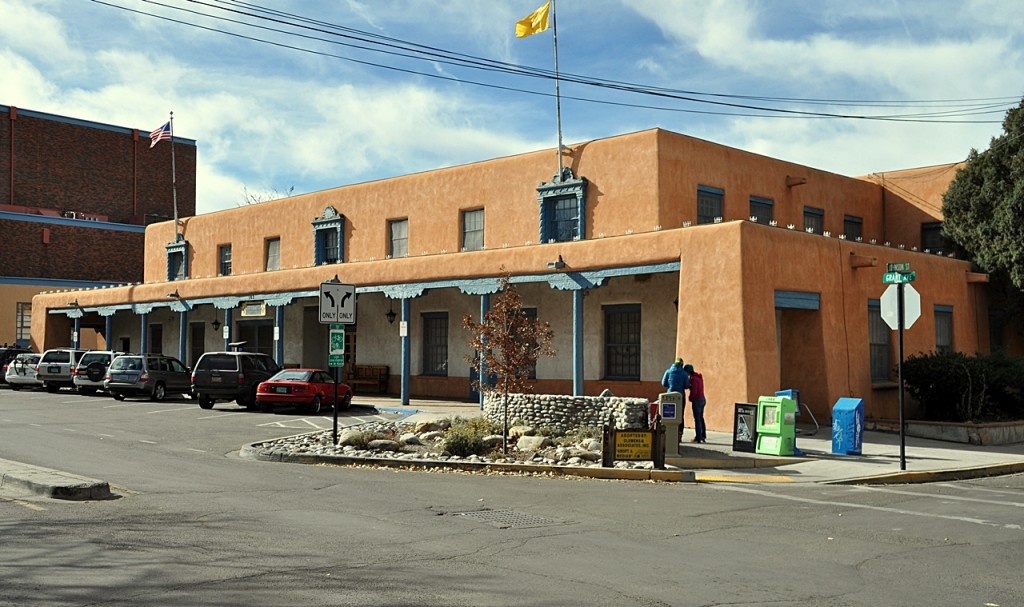


Geography and environment
Santa Fe County combines high desert basins and mountain terrain. Elevations rise from broad mesas to the foothills and peaks of the Sangre de Cristo range. The landscape includes piñon-juniper woodlands, pockets of conifer forest, and riparian corridors that support local agriculture and wildlife. Many residents and visitors appreciate the dry sunny climate and clear air, which influence recreation, settlement patterns and traditional land use. For administrative and official county matters, see the county page (county information).
History and communities
The region has deep indigenous and colonial roots. Long before European contact it was home to Pueblo peoples whose communities still occupy villages and land within the county. Spanish expeditions and settlers established Santa Fe in the early 17th century, giving the area a continuous colonial and territorial history that shaped place names, architecture and culture. Over the 19th and 20th centuries the county developed as a seat of government, commerce and cultural exchange in New Mexico.
Economy, culture and tourism
Today the county economy is diverse: state government and public administration are major employers in the capital; tourism, arts, galleries and festivals draw national and international visitors; and local businesses include hospitality, creative industries and a growing professional services sector. Traditional crafts, Pueblo cultural events and Hispanic traditions remain prominent. The county is a destination for museums, performing arts, and outdoor recreation.
Points of interest
- Santa Fe Plaza and historic downtown, with adobe architecture and public markets
- Canyon Road galleries and museums celebrating regional art
- Nearby Pueblo villages and cultural centers that preserve indigenous traditions
- Outdoor access to hiking, skiing and scenic drives in the surrounding mountains
Santa Fe County is notable for its blend of living traditions, state government functions and a strong arts identity. Its mix of landscapes, long human history and role as a cultural hub make it an important county within the state and a frequent focus for visitors, researchers and residents exploring the American Southwest.
Related articles
Author
AlegsaOnline.com Santa Fe County, New Mexico: overview, geography, history and culture Leandro Alegsa
URL: https://en.alegsaonline.com/art/87125
Sources
- quickfacts.census.gov : "State & County QuickFacts"
- naco.org : "Find a County"