
Santa Claus (Father Christmas)
Santa Claus, also called Father Christmas, is a legendary gift‑bringing figure tied to Christmas traditions, with origins in Saint Nicholas and diverse European customs.
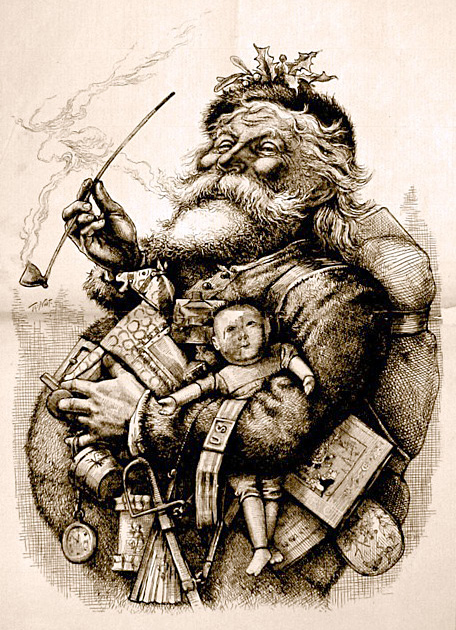
Overview: Santa Claus is a widely recognized legendary figure associated with Christmas. Typically portrayed as a large, joyful man with a white beard and a red suit trimmed in white, he embodies generosity and the spirit of gift giving. Modern portrayals often show him as warm and jovial, arriving to deliver presents to children and to adults who keep the tradition alive.
Image gallery
10 Images




Typical characteristics and household
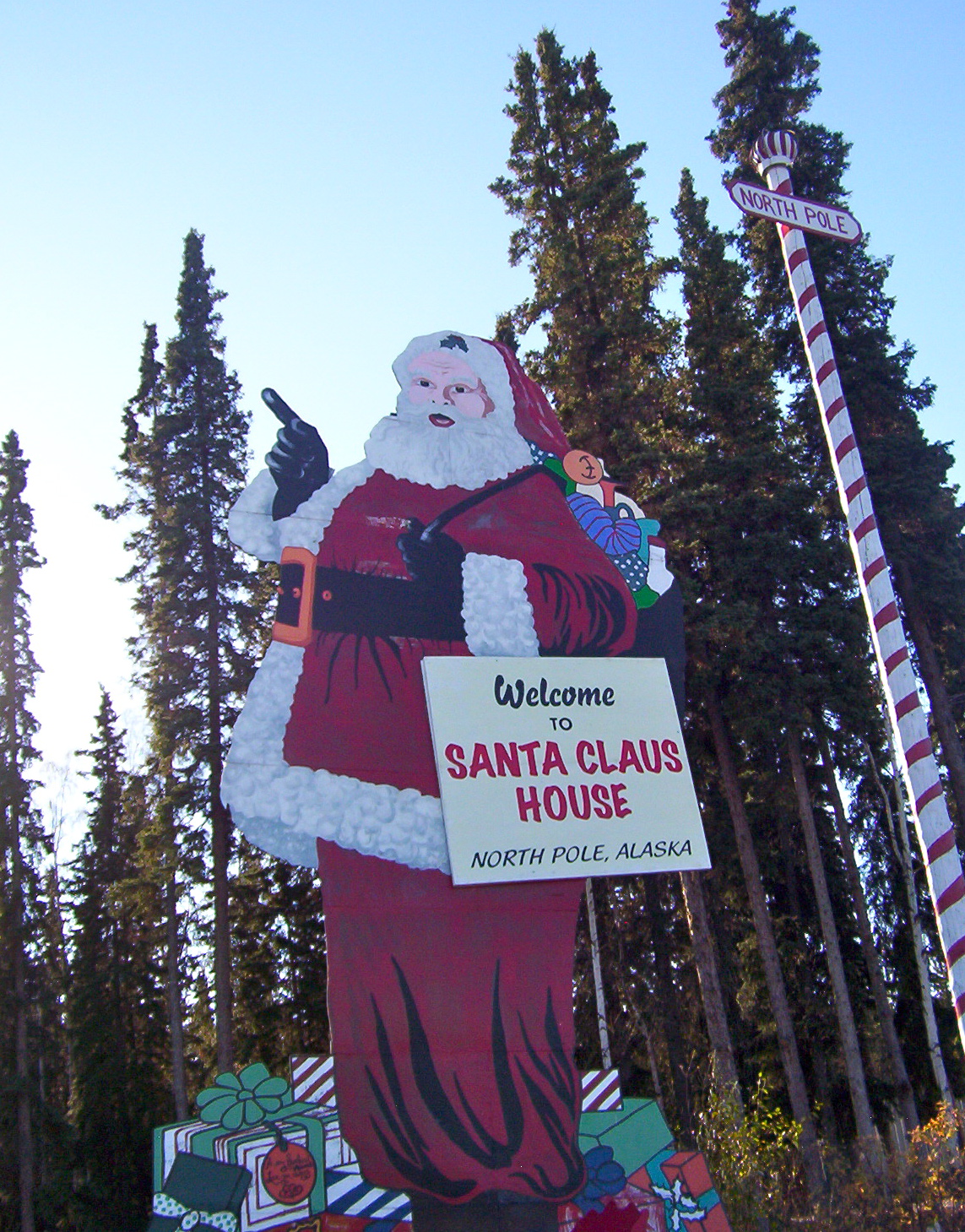
Popular stories place Santa at the North Pole where, according to the tradition, he lives with elves who make toys and reindeer that pull his sleigh. He is sometimes accompanied by a companion known as Mrs. Claus and a workshop or village full of helpers. Alternative local versions place him in other northern locations; for example some traditions link him to Lapland.
Origins and historical development
The figure known today as Santa Claus grew from many strands of folklore and religious commemoration. One important root is a historical bishop from Asia Minor, a Greek clergyman, commonly remembered as Saint Nicholas, a fourth-century bishop famed for secret gift giving. Christian veneration of Saint Nicholas spread in Europe through medieval and early modern periods, often through Roman Catholic and Orthodox observances. Later folk customs — including the Dutch Sinterklaas celebration — helped reshape the figure into new forms such as Sinterklaas in the Low Countries and, after centuries of cultural exchange, the contemporary image many recognize today.
Traditions, behaviors and delivery methods
In many traditions Santa brings gifts at night while children are asleep, entering houses by sliding down a chimney or using other imagined entrances such as a special key. Presents are commonly left under a Christmas tree or in stockings hung by the fireplace. In practice, parents and guardians ordinarily take the role of Santa in private homes, placing gifts and sometimes adding notes signed "From Santa." Such practices combine play, surprise and family ritual.
Cultural role and variations
Santa Claus functions as a cultural symbol that appears in literature, music, film, advertising and public pageantry. He is known by many names around the world — including Saint Nick, Kris Kringle, Father Christmas and others — and his appearance, timing and associated customs vary by country and community. The contemporary commercial and mass-media imagery of Santa developed significantly in the 19th and 20th centuries and continues to evolve.
Notable distinctions and facts
While related, the characters called Santa Claus and Father Christmas can differ: some nations emphasize a more secular, gift-giving Santa, while others retain stronger religious or seasonal connotations. The modern, jolly, red-suited figure is the result of layering many traditions on the memory of a historical saint and local winter customs, producing a widely shared but flexible cultural figure sometimes described simply as the modern character of Santa. For further reading on particular local customs and scholarship see linked resources and collections.
- Common names: Saint Nicholas, Saint Nick, Kris Kringle, Father Christmas, Santy.
- Typical companions and helpers: Elves, reindeer, Mrs. Claus.
- Typical locations tied to tradition: North Pole, Lapland.
- Other links of interest: legendary character, Christmas, sleigh, Greek origins, Saint Nicholas, chimney entry, night-time visit, tree traditions, religious roots, Dutch Sinterklaas, Sinterklaas variants, modern image.
Questions and answers
Q: Who is Santa Claus?
A: Santa Claus, or Father Christmas, is a legendary character associated with Christmas. He is depicted as a big and cheerful white-bearded man wearing a red suit with white trim.
Q: Where does Santa live?
A: In some countries, he is said to live at the North Pole with his wife Mrs. Claus, elves who are said to build his toys, and reindeer who are said to pull his sleigh through the sky. Father Christmas, the Nordic version, is said to reside in Lapland, Finland but some think he is from the North Pole.
Q: How does Santa deliver gifts?
A: Santa bring gifts to good children (and children-at-heart) worldwide on Christmas usually by sliding down fireplace chimneys (or opening doors with a special key) and reindeer pulling his sleigh. However, after the children have fallen asleep, parents typically play the role of Santa Claus and leave their gifts under the Christmas tree. Children's parents sometimes signed tags on gifts for children with "From Santa Claus" before the gifts are laid under the tree.
Q: Is there any historical basis for Santa Claus?
A: No, Santa Claus was not a real historical person but modern character of Santa was most likely created from different traditions from European and Christian culture such as Saint Nicholas ,the Dutch Sinterklaas ,etc .
Q: What other names does Santa go by?
A: He is also known as Saint Nicholas ,Saint Nick ,Kris Kringle ,Kristingle ,Christingle ,Father Christmas ,Santy and many other names .
Related articles
Author
AlegsaOnline.com Santa Claus (Father Christmas) Leandro Alegsa
URL: https://en.alegsaonline.com/art/87107
Sources
- youtube.com : "My son catching santa putting gifts under the tree"
- myuniversalfacts.com : "Santa's names"
- britannica.com : "Santa Claus"
- mirror.airservicesaustralia.com : "Santa 2010 website by Airservices Australia"
- cdscc.nasa.gov : "Safe Travels Santa! We will Be Watching, 19 Dec 2005"
- gladstoneobserver.com.au : "New technology to map Santa's flight, 24 Dec 2009"
- today.msnbc.msn.com : "Welcome to The North Pole – A Virtual Earth 3D Experience!" · web.archive.org
- bing.com : bing.com
- pegasusnews.com : "DFW airport unveils Santa Tracker website, 18 Dec 2006"
- publicbroadcasting.net : "DFW Airport's 'Santa Tracker' Is Operational, by BJ Austin, 24 Dec 2009"
- searchengineland.com : "From NORAD Santa Tracker To Twitter: Santa Tracking For Christmas Eve 2009, by Danny Sullivan, 23 Dec 2009"