
Elf: Origins, folklore, and modern representations
A structured overview of elves: appearance, etymology, folklore motifs, evolution in literature and modern fantasy, and distinctions across cultures and media.
Overview
An elf is a supernatural being found in the mythologies and folk traditions of northern Europe and in later popular culture worldwide. Traditionally linked with natural places such as forests, hills and mounds, elves are often portrayed as powerful, morally ambiguous beings who may help, hinder or simply coexist with people. Over centuries the image of the elf has shifted from a local spirit in rural belief to a major figure in fantasy literature, role‑playing games and modern pagan practice.
Image gallery
10 Images




Appearance, attributes and common motifs
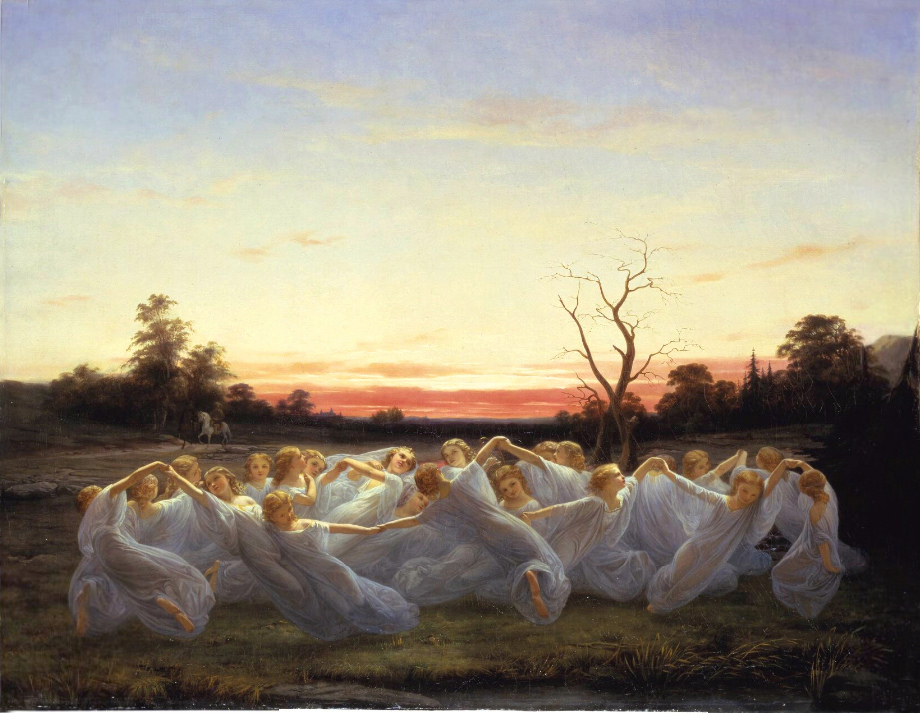
Descriptions of elves vary widely. In some accounts they appear as humanlike and attractive, sometimes taller or more graceful than humans; in others they may be small, capricious, or closely associated with specific landscapes. Long, pointed ears and ageless beauty are modern visual cues, but older sources emphasize mobility between worlds, mastery of songs and crafts, magical healing or causing illness, and a tendency to dance in rings. Common motifs include nocturnal dances that leave circular marks, time dilation for humans who watch or join those dances, and bargains or punishments for trespassing on an elf domain.
Origins and etymology
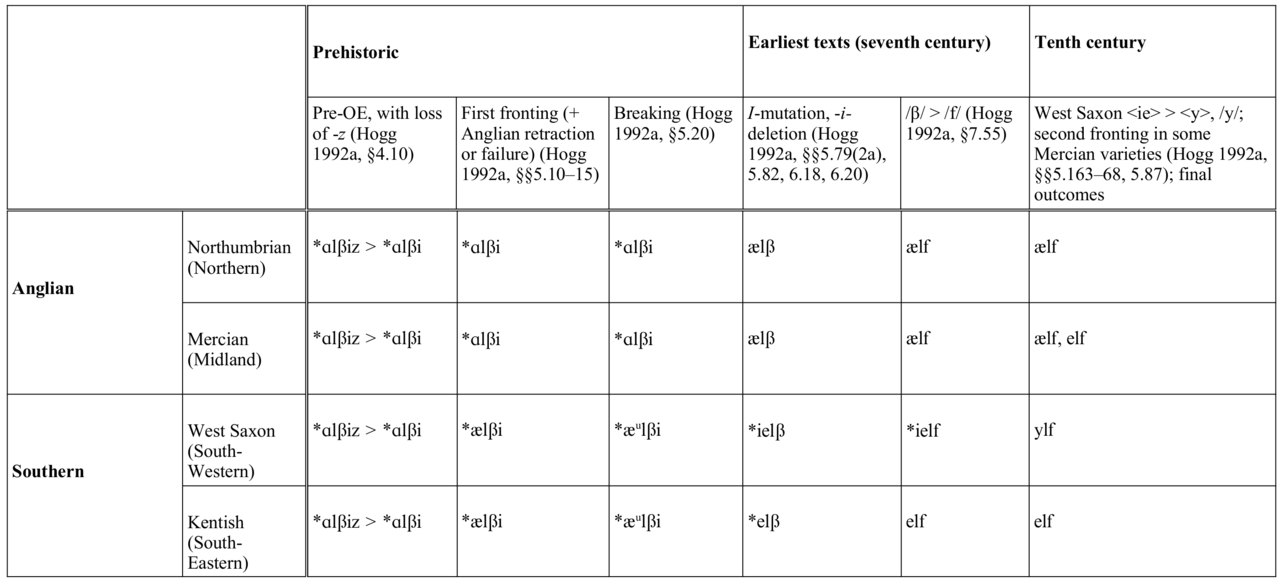
The word "elf" occurs throughout the Germanic languages, and linguistic study suggests an early meaning associated with a luminous or otherworldly being. Much of what scholars reconstruct about early elf beliefs comes from texts written down by Christian authors in languages such as Old and Middle English, medieval German, and Old Norse. These sources connect elves to a range of roles: companions of the Norse gods, causes of sudden sickness, attendants of fertility and vegetation, and figures of seductive beauty. The picture is composite rather than uniform; local traditions produced very different elves in different places.
Folklore and regional examples
Northern European folklore preserves many vivid elf traditions. In Scandinavian tales, female elves (älvor or similar terms) might live beneath hills, dance in clearings and lakeshores, and demand respect for their places. Observers claimed to find flattened grassy circles where elves had danced; such sites were feared and avoided. Stories also tell of humans invited to an elf dance who spend only hours in the company of elves but return to find many years have passed in the human world. Other narratives present elderly, powerful elf women who negotiate with humans over grazing rights or rescue mortals under specific conditions.
Elves in modern fantasy and culture
From the 19th century onward, elves were reshaped by literature, folklore revivalists and later by high fantasy. A landmark in that trajectory is the portrayal of elves in epic fantasy works such as The Lord of the Rings, which emphasized an elevated, long‑lived race often allied with humans and contrasted with other species. In many contemporary fictional settings elves, dwarves (dwarves) and humans are presented as principal races, sometimes opposed by creatures framed as antagonists such as orcs, goblins, trolls or giants. In tabletop and video games elves have been diversified into numerous subtypes (forest elves, high elves, dark elves, etc.), each with distinctive cultures and abilities.
Distinctions, interpretations and modern relevance
Elves resist a single definition: they have been understood as nature spirits, ancestral beings, faerie folk, and literary races. Folklorists emphasize how Christianization, regional customs and storytelling have transformed original beliefs into a range of surviving motifs. Today, elves appear in religious or quasi‑religious modern pagan practices, in children's holiday traditions (a different, domesticated elf appears in seasonal lore), and as central figures in fantasy media. When reading about elves it helps to note whether a source treats them as folkloric beings tied to particular places, as characters in imaginative literature, or as elements adapted for games and popular mythmaking.
- Key motifs: dancing rings, time anomalies, beauty and danger, bargains, connection to specific landscapes.
- Scholarly sources: linguistic evidence in Germanic languages and texts from Old and Middle English and Old Norse traditions (Norse mythology).
- Modern contrasts: small household elves versus noble high elves in modern fantasy; folkloric female elves (älvor) in Scandinavian tales.
Elves remain one of the most adaptable mythic figures in Western tradition, shifting form and function as they move between oral tradition, print literature and multimedia entertainment. Readers exploring the subject can follow literary lineages, compare regional folktales, or examine how contemporary creators reinvent elven identity to reflect present cultural concerns.
Questions and answers
Q: What is an elf?
A: An elf is a creature of various origins that is usually regarded as a good being that helps to make trees and nature good. It is often associated with paganism and witchcraft, and are typically described as taller than humans with long, pointy ears.
Q: How are elves portrayed in The Lord of the Rings?
A: In The Lord of the Rings, elves were described as human sized (and if anything taller), hence changing the description of elves from other fantasy scenarios.
Q: Are there any other races besides elves, dwarves, and humans in modern fantasy scenarios?
A: Yes, in most modern fantasy scenarios there are six races including orcs, goblins, trolls, and / or giants alongside elves, dwarves, and humans.
Q: Where does the word "elf" come from?
A: The word "elf" comes from various Germanic languages and originally meant "white being".
Q: What do texts written by Christians say about elves?
A: Texts written by Christians associate elves variously with the gods of Norse mythology, with causing illness, with magic, and with beauty and seduction.
Q: How have elfs survived into folklore?
A: Elves have survived into folklore mainly as females living in hills and mounds of stones. They can be seen dancing over meadows at night or on misty mornings leaving behind älvdanser (elf dances) or älvringar (elf circles).
Q: What happens if a human watches an elf dance?
Related articles
Author
AlegsaOnline.com Elf: Origins, folklore, and modern representations Leandro Alegsa
URL: https://en.alegsaonline.com/art/30803