
Sinterklaas: Dutch Saint Nicholas tradition and customs
Sinterklaas is a traditional Saint Nicholas figure celebrated in the Low Countries with arrival-from-Spain lore, shoe-gifts, poems, seasonal treats and ongoing debate about his helpers’ portrayal.
Overview: Sinterklaas (also Sint Nicolaas) is a seasonal gift-bringer celebrated in Dutch-speaking parts of Europe, most notably the Low Countries, including the Netherlands and Flanders. The festival centers on a figure based on the historical Saint Nicholas, a fourth-century bishop, and is marked by rituals that occur in late November and early December. In the Netherlands families exchange presents and poems on the evening of 5 December (commonly called Pakjesavond), while in Belgium the feast is observed on 6 December.
Image gallery
10 Images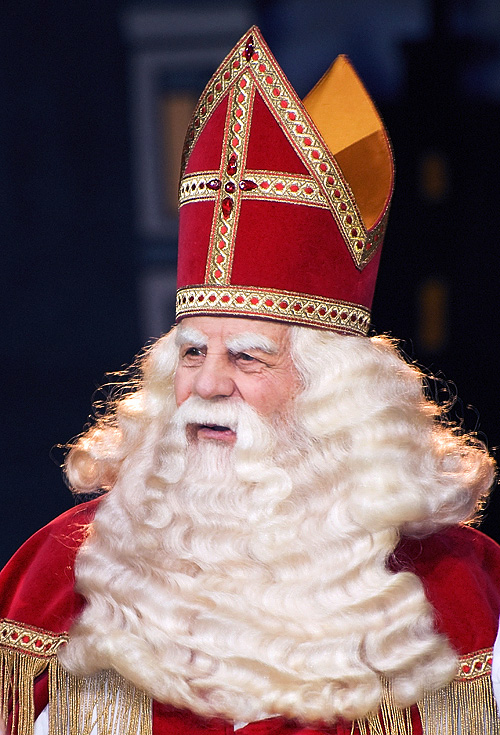




Characteristics and imagery
Sinterklaas is typically represented as an elderly, bearded man wearing a red bishop's cloak and mitre, and carrying a ceremonial staff. Folklore says he arrives by steamboat from Spain and travels on a white horse that can cross rooftops; he visits houses to leave gifts, often via a chimney or by placing presents in children’s shoes. Songs, rhymes and small tableaux accompany his visits, and playful secrecy and misdirection are part of the festive pattern.
Rituals, timeline and public events
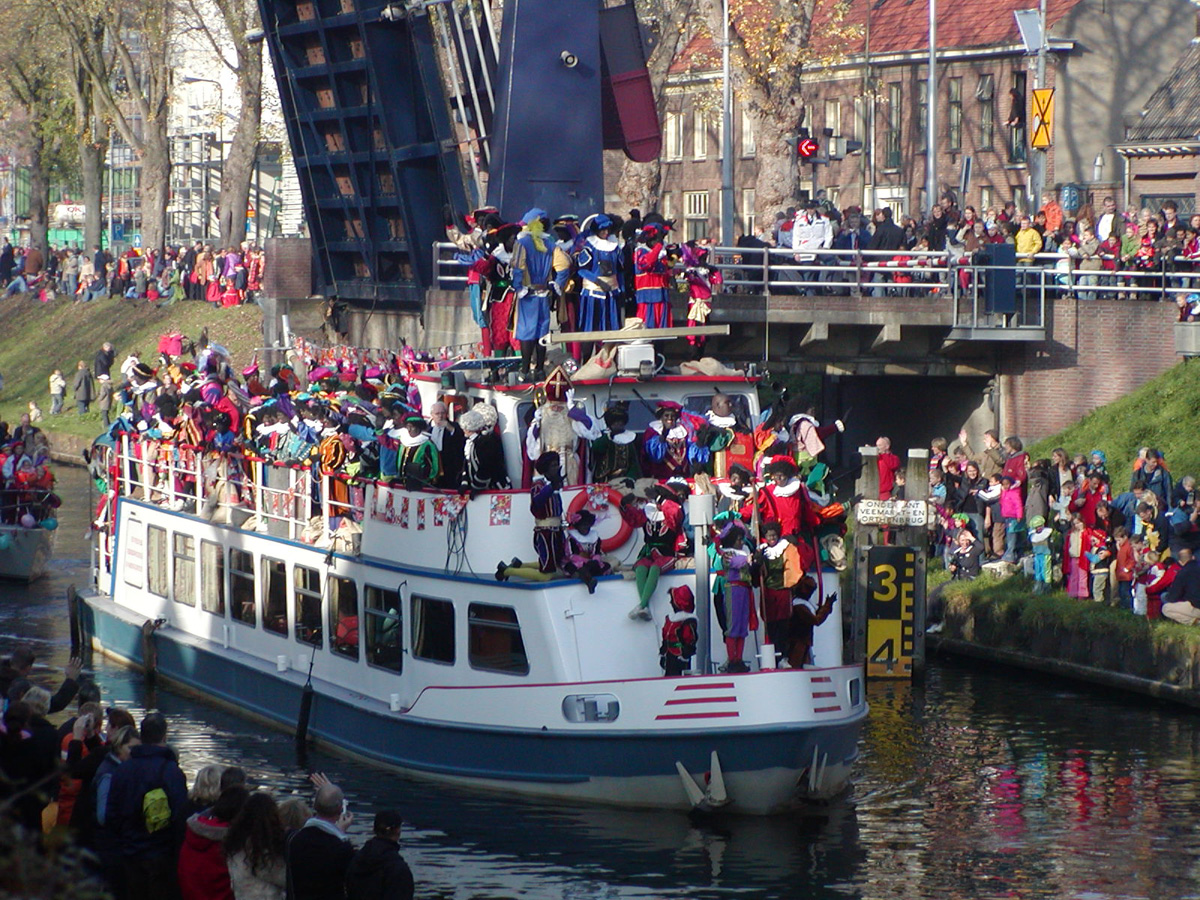
The seasonal cycle begins with public arrival festivities in November, when a Sinterklaas procession comes to many towns and cities. In the weeks that follow children put out a shoe by the hearth or window with a drawing or a small treat for the horse, and may sing a simple song. On the night of 5 December in the Netherlands (or during 6 December in some regions) small gifts, sweets and sometimes a riddle or poem are left in shoes or wrapped as surprises.
Treats, gifts and poetic tradition
Food items commonly associated with the celebration include spiced biscuits known as pepernoten or kruidnoten, chocolate letters representing a child’s initial, and marzipan confections. A distinctive element of Sinterklaas is the exchange of humorous or teasing rhymed poems that accompany many gifts; these poems often playfully reveal secrets, offer affectionate jests, or present clues to the present inside.
History and international influence
The Sinterklaas tradition has roots in medieval veneration of Saint Nicholas combined with local Dutch folk practices. Elements of the figure and customs were transmitted overseas by Dutch colonists and migrants; Dutch portrayals contributed to the development of the separate North American figure of Santa Claus, a Christmas character with different attributes and timing. In Dutch-speaking regions Sinterklaas remains a distinct festival that predates mainstream Christmas celebrations in late December. See also cultural background sources such as Saint Nicholas history and studies of the figure’s role in relation to Santa Claus.
Contemporary debates and adaptations
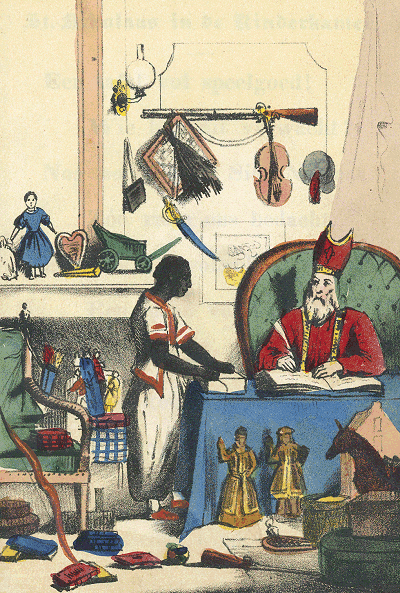
Public discussion in recent decades has focused on the traditional helpers of Sinterklaas. Different communities have responded to concerns about racial stereotyping by modifying costumes, renaming characters or introducing alternative portrayals. These changes vary by region and by institution: some continue traditional imagery, others have adopted new practices to be more inclusive. The debate is often conducted in schools, municipalities and the media, and has led to a range of local adaptations.
Cultural role and variations
Sinterklaas functions as a family- and community-oriented festival with strong emphasis on creativity, performance and wordplay. Local customs differ by town and household: timing, the scale of public parades, the form of poems and the selection of treats all display regional variety. The figure remains a subject for literature, music, television and seasonal commerce in Dutch-speaking areas and among diaspora communities.
Practical notes: traditions vary, so visitors and new residents should ask local organisers about schedules, accepted practices and any contemporary adaptations. For regional information and civic guidance, consult local cultural resources and municipal pages on celebrations in the Low Countries, the Netherlands and Flanders. Additional material on overseas traditions can be found under overseas variations and historical context in Saint Nicholas history. For discussion of modern portrayals and the figure’s relation to winter holidays, see sources about Santa Claus and on how Sinterklaas differs from Christmas celebrations.
Related articles
Author
AlegsaOnline.com Sinterklaas: Dutch Saint Nicholas tradition and customs Leandro Alegsa
URL: https://en.alegsaonline.com/art/90708