
Santa Ana, California: overview, history, and key facts
Santa Ana is the county seat and largest city of Orange County, California. A densely populated, culturally diverse urban center in the Greater Los Angeles area with historical roots and regional transportation links.
Overview
Santa Ana is a city in California and serves as the county seat of Orange County. It is one of the larger municipalities in the United States and has been ranked among the country's most populous cities, at times cited near the 53rd largest by population. Located in Southern California, Santa Ana is part of the Greater Los Angeles Area and functions as a regional hub for county government, commerce, and cultural life. The city is compact and densely settled, with well‑established neighborhoods and a mix of residential, commercial, and institutional land uses.
Image gallery
10 Images




Geography and climate
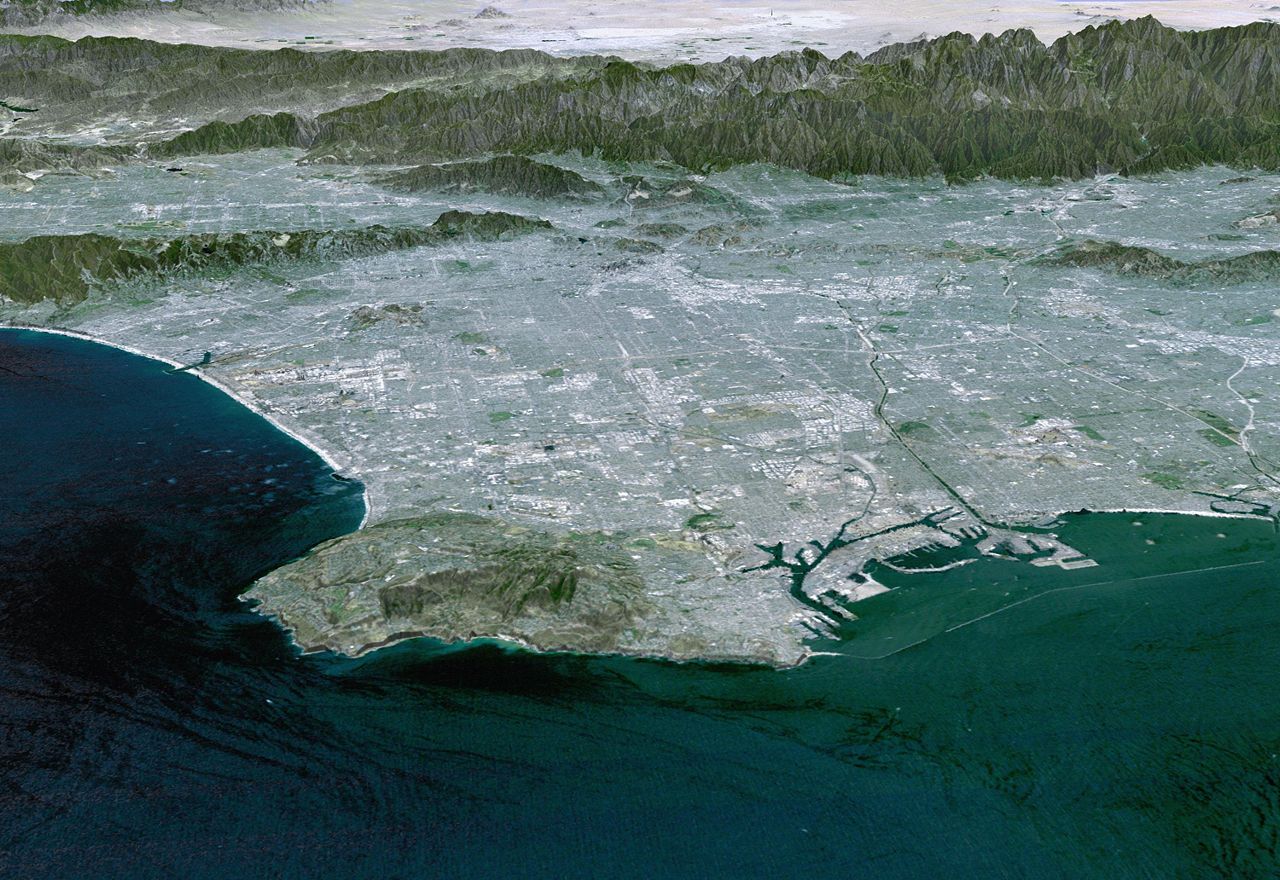
Santa Ana occupies a coastal plain and river basin crossed by the Santa Ana River, lying roughly ten miles inland from the Pacific. The city is bordered on the east by foothills and is overlooked by the Santa Ana Mountains, which can influence local weather. The region has a Mediterranean climate characterized by warm, dry summers and mild, wetter winters. Periodic offshore winds known locally as the Santa Ana winds bring hot, dry air from inland, conditions that can elevate the risk of wildfires in the wider Southern California landscape.
History
The city developed from 19th‑century agricultural and ranching roots and was formally founded in 1869. During the 20th century industrialization, transportation improvements and postwar suburban growth reshaped the area. Census analyses and historical records show that Santa Ana grew into a densely populated urban core; for example, data from the 2000 U.S. Census noted a particularly high population density among U.S. cities of comparable size.
Demographics and communities
Santa Ana is noted for its cultural and ethnic diversity, with many residents tracing family roots to Latin America, Asia, and other regions. The city has a large working population and a mix of household types, from long‑established families to more recent arrivals. Language use, local businesses, restaurants and community organizations reflect this diversity and contribute to neighborhood identities across the city.
Government, services, and institutions
As the county seat, Santa Ana hosts Orange County administrative offices and courthouses. Municipal services include police and fire protection, public works, parks and recreation, and libraries. County and city institutions together provide many of the services and job opportunities that shape the local economy.
Economy, education and culture
The local economy combines government services, retail, healthcare, education and light industry. Downtown Santa Ana contains county government buildings, offices, restaurants and cultural venues. The city supports arts districts and historic areas—among them an evolving downtown artists' district—and a range of museums, theaters and festivals that serve residents and visitors alike.
Transportation and infrastructure
Regional highways and transit links connect Santa Ana with neighboring communities. The Interstate 5 (Santa Ana Freeway) crosses or runs near parts of the city, while regional bus and rail services, major arterial streets and local transit options serve commuters. These connections make Santa Ana an accessible center within Orange County and the broader Southern California region.
Hazards and planning
Local planning addresses seismic risk common to California, flood management of the river corridor, and wildfire planning driven by seasonal Santa Ana winds and regional fuel conditions. Urban planners and emergency managers coordinate to maintain infrastructure resilience and public safety.
Notable facts
- Santa Ana is the administrative heart of Orange County and the location of many county facilities (county seat).
- The city lies along the Santa Ana River basin and near the Santa Ana Mountains, features that give the city its name.
- Seasonal Santa Ana winds are a well‑known local weather phenomenon associated with elevated wildfire risk.
- Transportation corridors such as Interstate 5 link Santa Ana to Los Angeles and other metropolitan centers.
- Historical and demographic records, including the 2000 U.S. Census, have highlighted the city's relatively high population density among similarly sized U.S. cities.
Together, these geographic, cultural and institutional characteristics make Santa Ana a compact but influential city in Southern California, with a history dating to the 19th century and a contemporary role as an economic and civic center within the Greater Los Angeles Area.
Related articles
Author
AlegsaOnline.com Santa Ana, California: overview, history, and key facts Leandro Alegsa
URL: https://en.alegsaonline.com/art/87087
Sources
- www2.census.gov : "2016 U.S. Gazetteer Files"
- census.gov : "Table 1: Annual Estimates of the Population for Incorporated Places Over 100,000, Ranked by July 1, 2007 Population: April 1, 2000 to July 1, 2007"
- dof.ca.gov : "E-1 Population Estimates for Cities, Counties and the State with Annual Percent Change — January 1, 2008 and 2009"
- demographia.com : "2000 Census: US Municipalities Over 50,000: Ranked by 2000 Density"
- people.atmos.ucla.edu : "The Santa Ana Winds"
- commons.wikimedia.org : Santa Ana, California