
Santa Clarita, California: City Profile, History, and Attractions
Santa Clarita is a large suburban city in Los Angeles County, California, known for planned communities, recreation sites including Six Flags, film production, and rapid post‑incorporation growth.
Santa Clarita is a suburban city in Los Angeles County, California, occupying much of the Santa Clarita Valley about 35 miles northwest of downtown Los Angeles. Incorporated in the late 20th century, the city grew quickly through development and annexation of nearby lands, becoming one of the county's larger municipalities. Observers sometimes describe Santa Clarita as an example of an American "edge city" or "boomburb"—a fast‑growing suburban center with its own employment centers, shopping, and entertainment.
Image gallery
10 Images


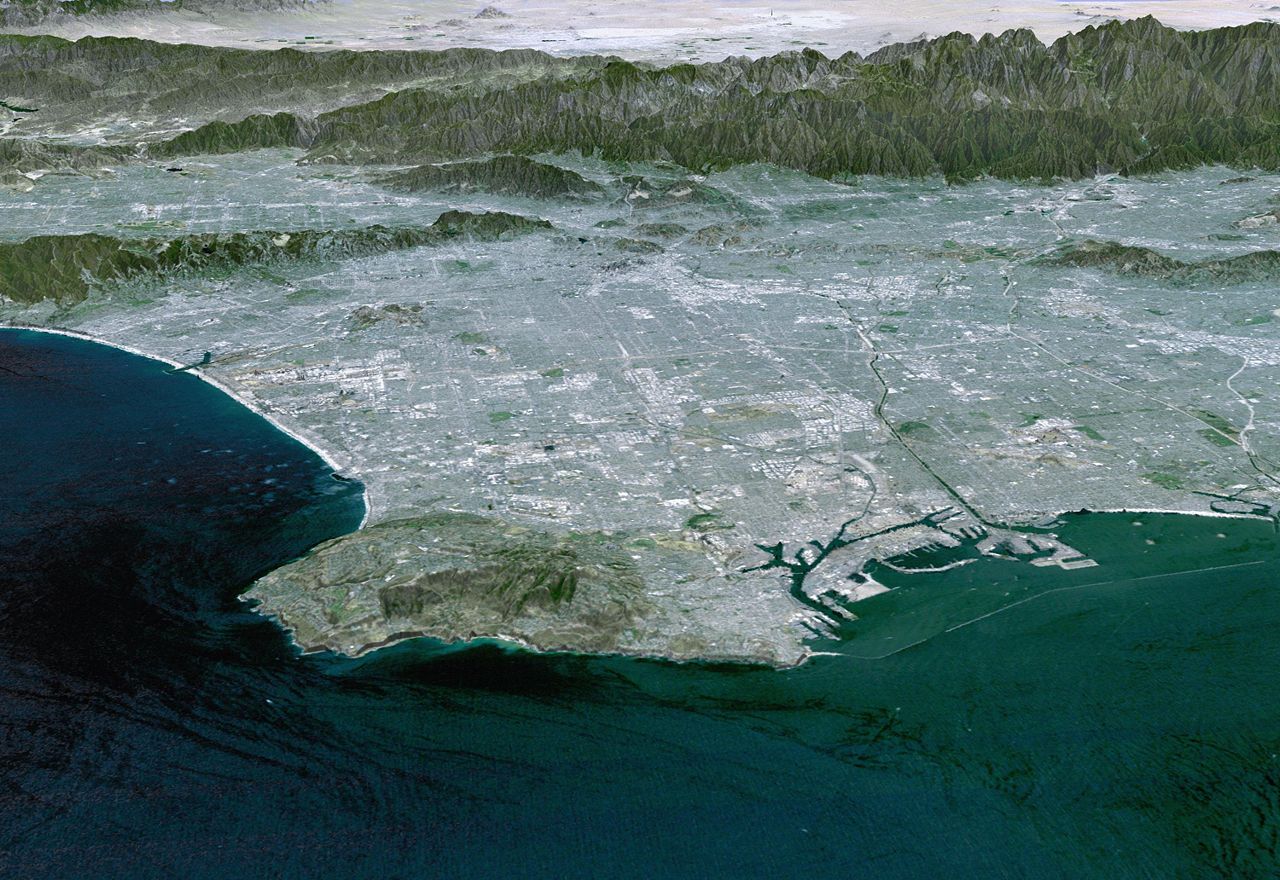




Geography and neighborhoods
The municipality covers a mix of suburban neighborhoods, open hills, and river valley. Its principal communities are Valencia, Saugus, Newhall, and Canyon Country, each with distinctive origins and development patterns. The Santa Clara River runs through parts of the valley and contributes to local open space corridors and recreational trails. The climate is generally Mediterranean, with hot, dry summers and cooler, wetter winters typical of inland Southern California valleys.
History and development
Before European settlement the region was home to Indigenous peoples who lived along the valley and river. During the Spanish and Mexican periods the land was organized into ranchos, and in the 19th and early 20th centuries ranching, agriculture, and later oil and other extractive activities shaped the local economy. Modern suburban growth accelerated in the mid‑to‑late 20th century; the city incorporated to coordinate services and planning, and subsequently annexed surrounding tracts, including several formerly unincorporated areas, which increased its population and municipal footprint. For more on those annexations see local planning records and summaries at annexation information.
Economy, transportation, and film
Santa Clarita's economy blends retail, light industry, professional services, and entertainment‑oriented attractions. Its location along major arteries such as Interstate 5 and regional state highways makes it a commuter hub for people traveling to greater Los Angeles while also supporting local employment. Regional commuter rail service connects the valley with the Los Angeles basin, and the area's varied terrain and proximity to studios make it a frequent filming location for television and movies.
Recreation, culture, and notable places
The city offers parks, trails, equestrian areas, and family attractions. It is widely known for the amusement park Six Flags Magic Mountain, a major regional draw for roller coasters and seasonal events. Local arts organizations, community festivals, and outdoor recreation opportunities are important to civic life. The city and its environs have also figured into popular culture and media—both as shooting locations and as the setting for works such as the television series Santa Clarita Diet.
Communities and points of interest
- Valencia — a planned community with shopping, schools, and master‑planned neighborhoods.
- Saugus — one of the older residential and commercial cores in the valley.
- Newhall — a historic center with cultural institutions and local government services.
- Canyon Country — residential neighborhoods that extend into the surrounding hills.
- Major attractions: Six Flags Magic Mountain, regional parks, and trail networks.
By the early 21st century Santa Clarita attracted attention for its rapid suburban growth, quality‑of‑life rankings in national publications, and efforts at planned development. Like many fast‑growing communities in Southern California, it faces planning challenges including managing growth, wildfire risk in the surrounding hills, transportation congestion, and balancing open space with development. For municipal services, regional context, and county relationships consult the city and county resources linked above and local planning documents.
Related articles
Author
AlegsaOnline.com Santa Clarita, California: City Profile, History, and Attractions Leandro Alegsa
URL: https://en.alegsaonline.com/art/87104
Sources
- calafco.org : "California Cities by Incorporation Date" · web.archive.org
- santa-clarita.com : "City Manager's Office"
- www2.census.gov : "2016 U.S. Gazetteer Files"
- geonames.usgs.gov : "Santa Clarita"
- dof.ca.gov : California Department of Finance Press Release
- tools.usps.com : "ZIP Code(tm) Lookup"
- money.cnn.com : MONEY Magazine: Best places to live 2006
- scvhistory.com : "California's REAL First Gold"
- la.eater.com : "LA's oldest restaurant keeps a 130-year diner tradition alive"
- oldestrestaurants.com : "Oldest Restaurants in California"
- google.com : "Google Maps"
- weather.com : "Average weather for Santa Clarita"