
Salzkammergut: Austria's historic lake and mountain region
An overview of the Salzkammergut region of Austria — its geography, history of salt mining, lakes and mountains, UNESCO sites, and outdoor recreation opportunities.
Overview
The Salzkammergut is a scenic alpine region in Austria stretching roughly from the city of Salzburg eastward to the Dachstein massif. Renowned for a dense string of lakes framed by mountains, the area combines natural beauty with a long human history shaped by salt extraction. The name Salzkammergut literally means "Estate of the Salt Chamber," referring to the Imperial Salt Chamber (Salz-Kammer) that administered salt production under the Habsburgs.
Image gallery
6 Images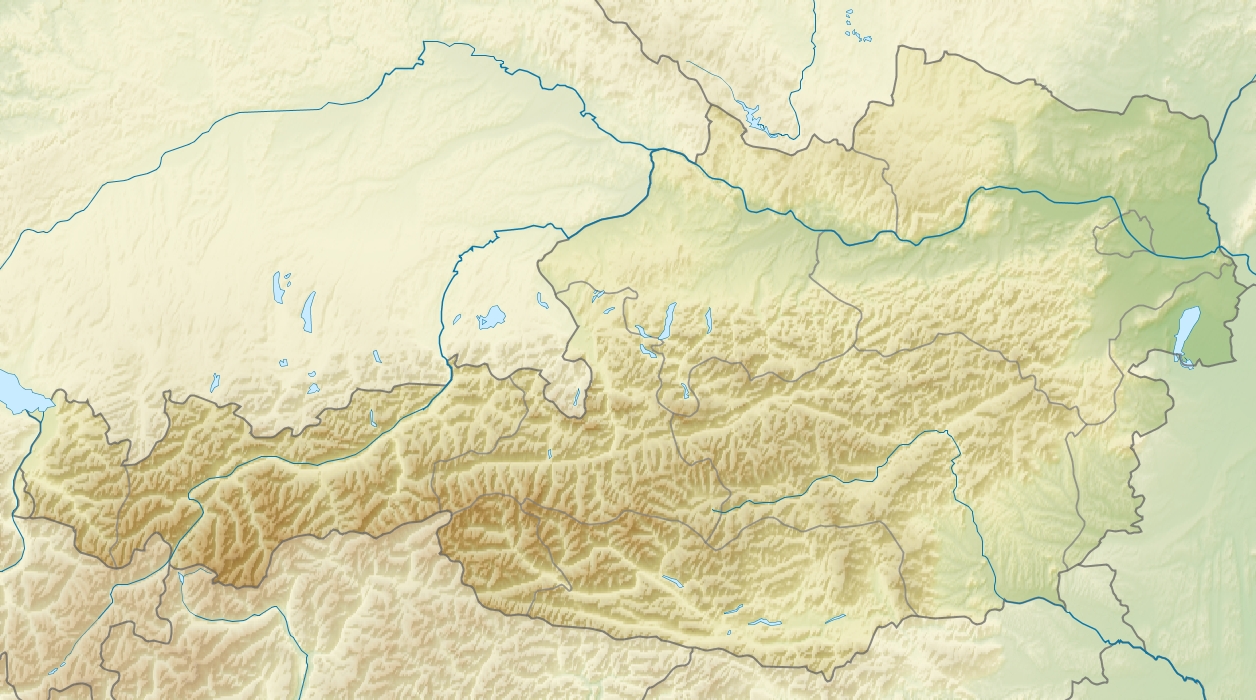



Geography and natural features
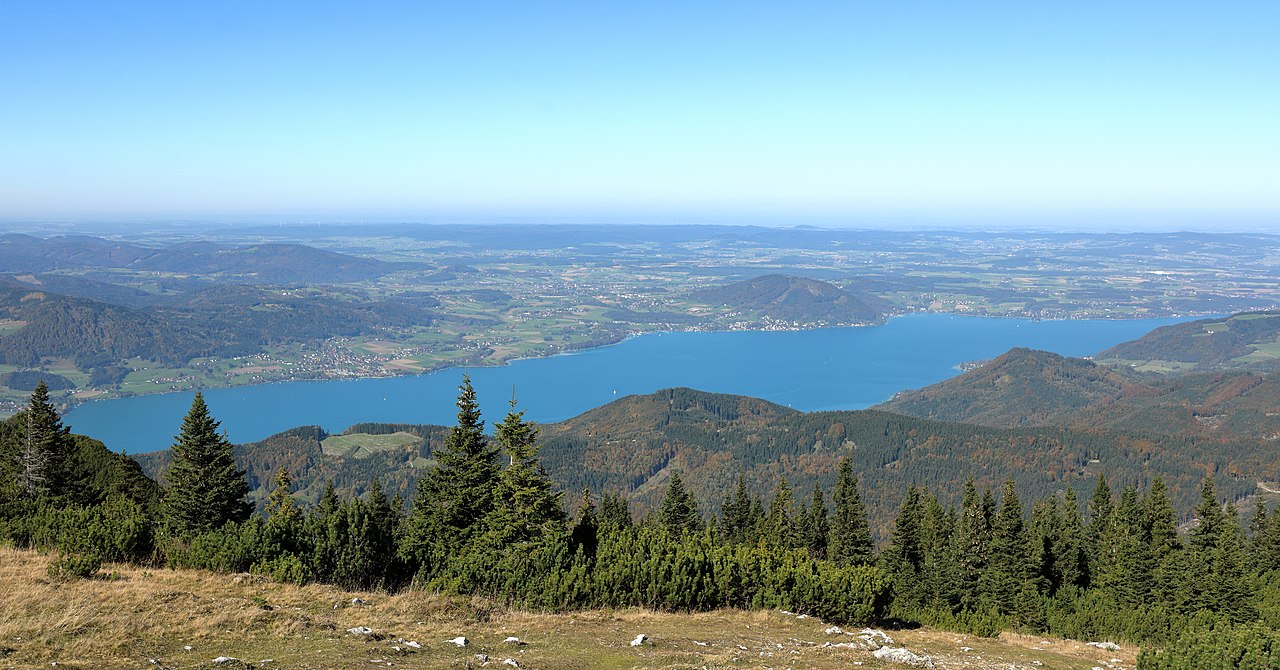
The region includes a variety of alpine landscapes: high limestone peaks of the Dachstein, steep valleys carved by glaciers, karst plateaus and deep, clear lakes such as Attersee, Traunsee, Hallstätter See and Wolfgangsee. The Traun river and a number of tributaries drain the area. Karst processes and past glaciation created dramatic cliffs, caves and terraces that define the local scenery and ecology.
History and cultural landscape
Salt has been the central economic and cultural force in the Salzkammergut for millennia. Salt mining and the control of saline resources shaped settlement patterns, transport routes and political authority. Under Habsburg rule the Imperial Salt Chamber managed production and trade, giving the region its modern name. The long interaction between extraction, alpine agriculture and settlement created a distinctive cultural landscape of villages, alpine pastures and trade roads.
Notable towns and World Heritage recognition
Historic towns and villages are scattered around the lakes and mountains. Hallstatt, Obertraun, Gosau and Bad Goisern are among the best known settlements; the area around Hallstatt was inscribed on the UNESCO list as the Hallstatt–Dachstein/Salzkammergut Cultural Landscape in 1997. Visitors often pair the lakeside villages with visits to the Dachstein caves and viewpoints that illustrate the interaction of natural and human history.
Recreation and uses
The Salzkammergut is a popular year-round destination. In summer, opportunities include swimming and bathing at the lakes, boating, sailing, cycling and golfing on local courses. Hiking trails range from easy lakeshore walks to high mountain routes on the Dachstein. In winter many valleys and higher slopes offer skiing, snowshoeing and winter hiking. Spa towns and historic houses add cultural attractions.
Practical notes and highlights
- Major lakes and water bodies: Attersee, Traunsee, Hallstätter See, Wolfgangsee and many smaller lakes.
- Key towns to visit: Hallstatt, Bad Ischl, St. Wolfgang, Gmunden, Bad Goisern, Obertraun, Gosau.
- Important conservation and recognition: the area around Hallstatt is a World Heritage Site, reflecting its combined natural and cultural value.
Because the Salzkammergut spans provincial boundaries and includes both lowland shores and high alpine terrain, it offers varied experiences for nature lovers, history enthusiasts and outdoor sport participants. Whether visited for a single lakeside town or explored more widely along the Traun and up to the Dachstein, the region remains one of Austria's most emblematic landscapes.
Related articles
Author
AlegsaOnline.com Salzkammergut: Austria's historic lake and mountain region Leandro Alegsa
URL: https://en.alegsaonline.com/art/86607