
Samos: Greek island of vineyards, ancient sites, and Pythagorean heritage
Samos is a green Aegean island of Greece famed for its wine, ancient Greek history (birthplace of Pythagoras), archaeological sites and close proximity to the coast of Turkey.
Overview
Samos is a Greek island in the eastern Aegean Sea known for its lush hills, productive vineyards and long recorded history. Part of Greece, it ranks among the larger Aegean islands and has been an important cultural and maritime centre since antiquity. Its principal town is often called Vathi (Samos City), which serves as the island's administrative and commercial hub.
Image gallery
10 Images




Geography and environment
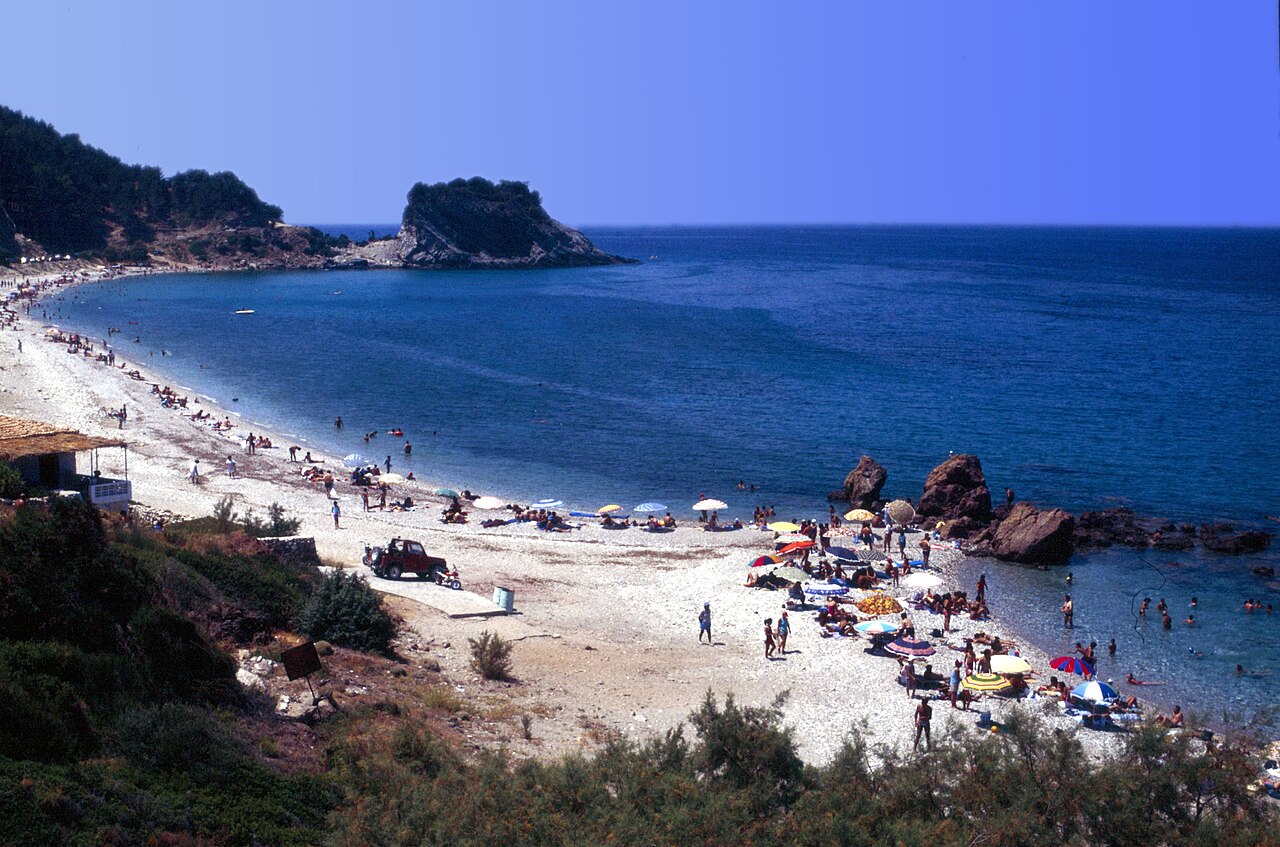
Samos covers an area of about 478 km² and is separated from the western coast of Asia Minor by the narrow Mycale Strait, which is barely a few kilometres wide at its narrowest. The terrain is largely mountainous but interspersed with several fertile plains and river valleys. The island's generally mild Mediterranean climate and freshwater springs support dense vegetation, olive groves and extensive vineyards that supply grapes for locally renowned wines.
History and cultural significance
Samos has been inhabited since prehistoric times and developed into a notable polis in the Archaic and Classical Greek periods. It was famed in antiquity for its maritime commerce, architecture and as a religious centre. The island is widely known as the birthplace of the mathematician and philosopher Pythagoras, and retains archaeological remains that speak to its long civic and religious traditions. The island's historical standing is reflected in ancient sanctuaries, fortified settlements and monumental ruins.
Administration and nearby islands
Administratively, Samos forms a regional unit (historically referred to as a prefecture) that includes the neighbouring islands of Ikaria and Fournoi. This grouping links islands that share economic and transport ties while preserving distinct local identities. The island's population clusters around the capital and coastal villages, where fishing, agriculture and tourism are the main livelihoods.
Economy, products and tourism
Viticulture has long shaped the island's economy; Samos is especially associated with sweet Muscat-style wines and table grapes. Olive oil, fruit cultivation and small-scale fishing are also important. Today tourism plays a major role: visitors come for beaches, hiking among verdant slopes, and an abundance of archaeological sites that illustrate the island's layered past. The proximity of Samos to the Turkish coast adds ease of short sea travel and cross-cultural interest.
Notable sites and practical information
- Ancient sanctuaries and excavation areas that highlight Samos's religious and civic history.
- Traditional villages and coastal promenades in and around Vathi.
- Viticultural landscapes and local wineries offering samples of the island's characteristic wines.
- Natural trails and viewpoints across mountainous interior and fertile valleys.
Samos sits opposite the western Turkish coast and is often visited in conjunction with nearby Anatolian sights; the island's narrow separation from Asia Minor has shaped both its economy and history. For more general context about regional geography and travel connections see resources linked here: neighbouring Turkey, comparative lists of largest Greek islands, and materials on the island's famous native son, Pythagoras.
Summary: Samos combines fertile landscapes, a strong wine-making tradition, significant archaeological remains and a strategic location in the Aegean. Its combination of natural beauty and historical depth makes it a distinct destination within the Greek island world.
Related articles
Author
AlegsaOnline.com Samos: Greek island of vineyards, ancient sites, and Pythagorean heritage Leandro Alegsa
URL: https://en.alegsaonline.com/art/86703