
Sambre (river)
The Sambre is a 193 km river rising in Fontenelle, France, crossing into Belgium and joining the Meuse at Namur. It shaped the industrial Sambre valley, has been canalized, and supports navigation and recreation.
Overview
The Sambre is a cross-border river in northern France and southern Belgium. Measuring about 193 km in length, it is a left-bank tributary of the Meuse and joins that river at Namur. The Sambre has played an important role in shaping local settlement, transport and industry along its course.
Image gallery
9 Images



Course and physical characteristics
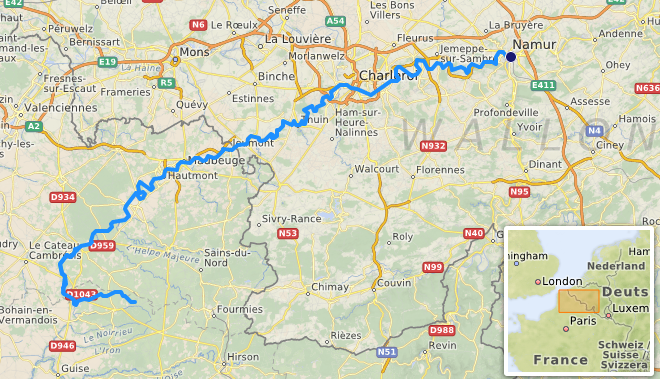
The Sambre rises in the French commune of Fontenelle, located in the Hauts-de-France region, at roughly 210 m above sea level. From its source it flows generally northeastwards, crossing the border into Belgium. In Belgium the river traverses the provinces of Hainaut and Namur and passes through several urban areas, most notably Charleroi. The river valley combines narrower upland reaches with broader floodplain sections closer to its confluence with the Meuse.
Navigation, engineering and connections
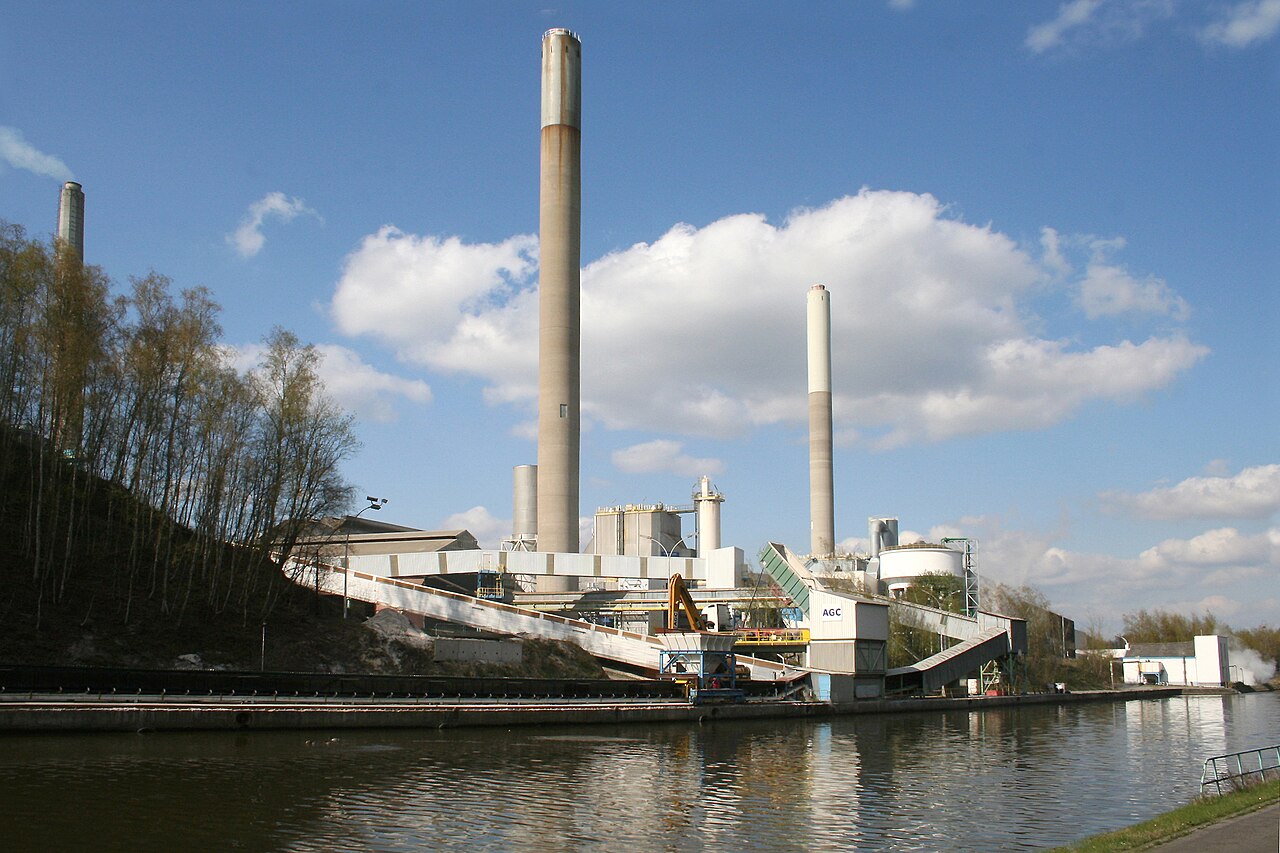
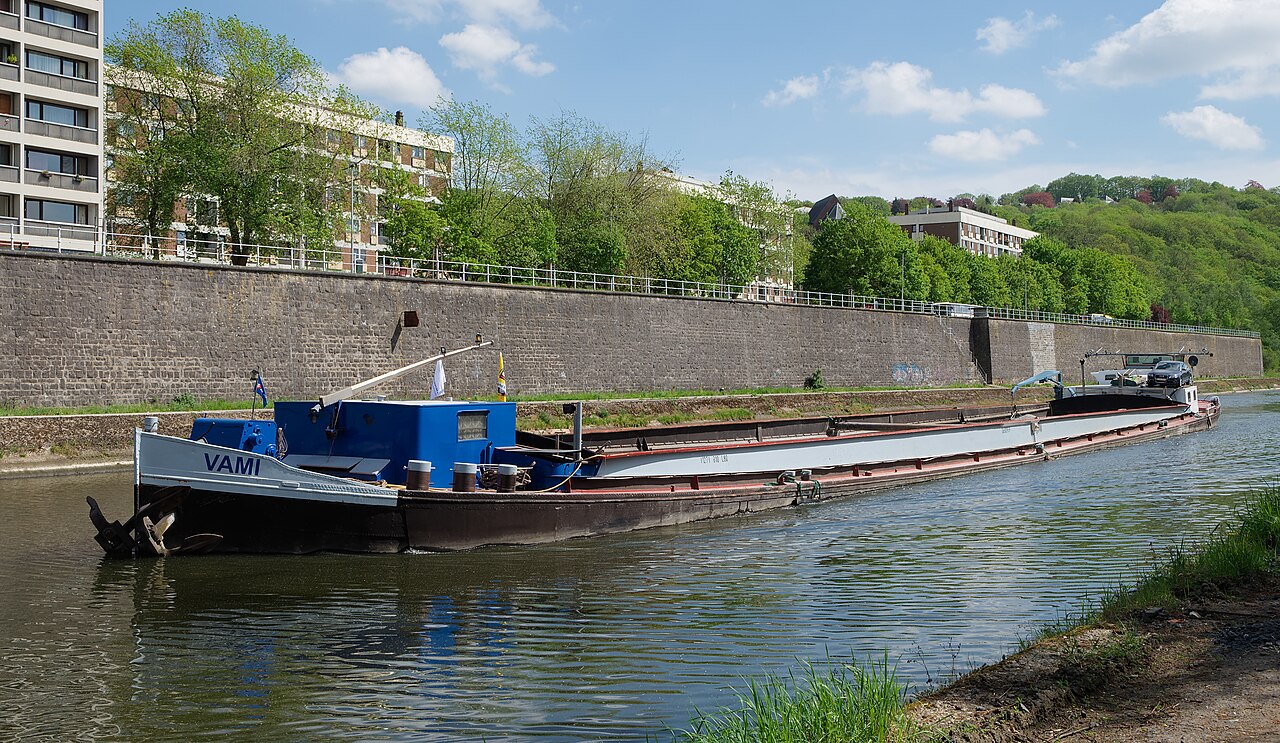
Significant parts of the Sambre have been canalized and fitted with locks to allow commercial navigation and to link the river with the wider inland waterway network. Historically the waterway carried coal, steel and other industrial goods from the Sambre valley to other parts of Belgium and France. It connects to regional canals, including the Sambre–Oise route that provides links toward northern France. Today some reaches remain commercially navigable while others are used mainly by leisure craft.
History and economic importance
The Sambre valley was a focus of heavy industry from the 19th century onward, centred on coal mining, metallurgy and manufacturing around towns such as Charleroi. That industrial legacy influenced transport infrastructure, urban growth and the social history of the region. The river and its bridges have also been the scene of military actions at different times in modern history, including engagements during the French Revolutionary period and in World War I.
Ecology, restoration and recreation
Industrial activity left a legacy of pollution in parts of the Sambre, prompting later water-quality improvement and riverbank restoration programmes. In recent decades efforts to rehabilitate aquatic habitats, improve sewage treatment and manage floodplains have helped to restore fish populations and birdlife. Many stretches now support recreational uses such as angling, cycling along towpaths and pleasure boating.
Notable facts and distinctions
- The Sambre is an international river, rising in France and flowing into Belgium before joining the Meuse at Namur.
- It is approximately 193 km long and begins at about 210 m elevation.
- The river influenced the industrial development of Wallonia and remains part of the inland waterways system linking Belgium and northern France.
Related articles
Author
AlegsaOnline.com Sambre (river) Leandro Alegsa
URL: https://en.alegsaonline.com/art/86658