
Hiking — walking for recreation, exploration, and fitness
Hiking is traveling on foot in natural settings for recreation, exercise, or travel. This article explains what hiking is, common types, equipment, history, benefits, safety, and distinctions from related activities.
Overview
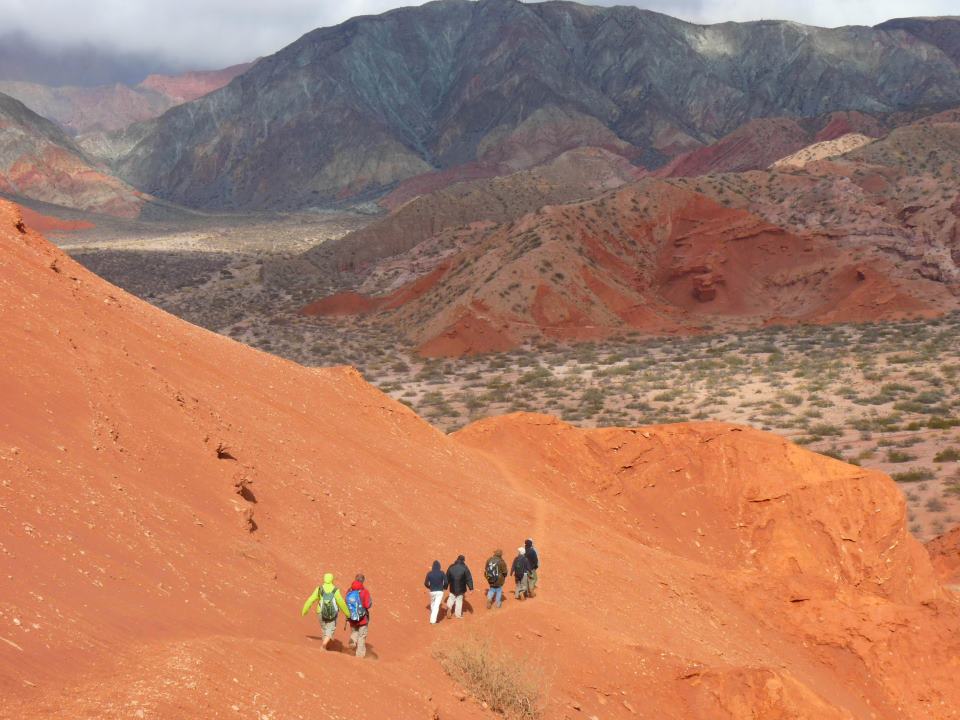
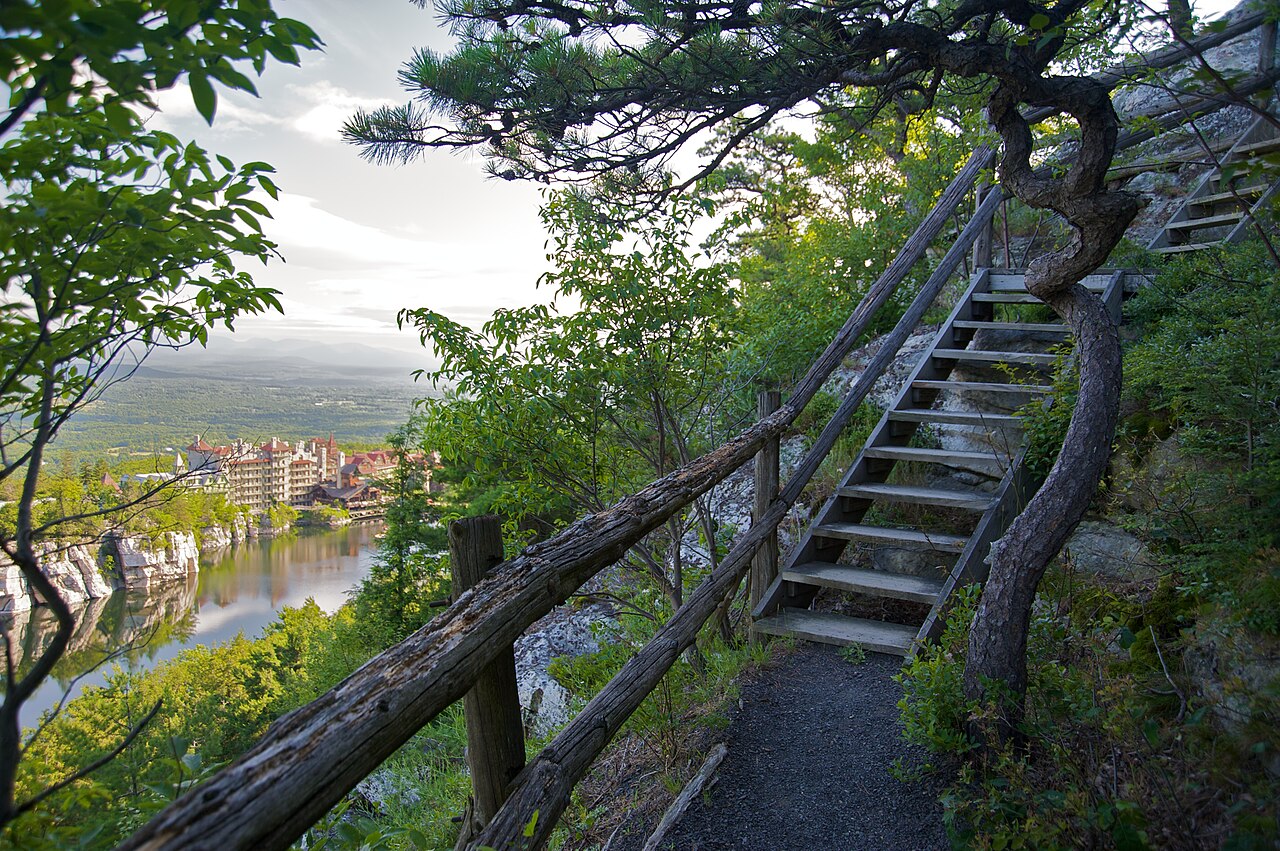
Hiking is the activity of traveling on foot through natural environments such as forests, mountains, and countryside. People who hike do so for many reasons: enjoyment of scenery, physical exercise, travel, or study of nature. Some hikes are short day trips that return before nightfall; others are multi‑day journeys that require camping and resupply planning. At its core, hiking is both a mode of movement and a form of leisure.
Image gallery
10 Images




Characteristics and equipment
Typical hiking involves following trails or routes but can also include off‑trail travel. Hikers choose footwear, clothing, and packs suited to terrain and weather. Common items include:
- Footwear: sturdy boots or trail shoes
- Navigation: map, compass, or GPS
- Shelter and sleep systems for overnight trips
- Food and water with means to treat water if needed
- Safety gear: first aid kit, headlamp, fire starter
History and development
Walking for pleasure and exploration has long roots in many cultures. In the modern sense, hiking became popular in the 19th and 20th centuries with greater leisure time, improved trails, and organized clubs. National parks, long‑distance trails, and guidebooks contributed to hiking's growth as a widespread pastime and form of outdoor recreation.
Uses, benefits, and examples
Hiking offers multiple benefits: cardiovascular exercise, stress reduction, opportunities to observe wildlife and plants, and social interaction when done in groups. Examples range from short nature walks to famous long‑distance trails. Some people hike to reach viewpoints, waterfalls, or archaeological sites; others undertake multi‑week treks to travel between regions on foot.
Types, safety, and distinctions
Types of hiking include day hiking, backpacking (overnight hiking with gear), thru‑hiking (completing an entire long trail in one season), and fastpacking (lightweight, faster multi‑day travel). Safety practices are central: plan routes, check weather, tell someone your itinerary, carry navigation aids, and respect wildlife. Distinctions are made between hiking and related activities such as walking in urban areas, trekking in remote high‑altitude regions, or technical mountaineering that requires specialized climbing skills.
Resources and further reading
For practical guidance on routes, etiquette, and conservation practices consult local trail organizations and guidebooks. To learn about travel on foot more broadly see travel by foot resources, and for information about natural areas consult resources linked to the term wilderness. Many outdoors groups and parks provide introductory materials and safety checklists for new hikers.
Questions and answers
Q: What is hiking?
A: Hiking is a general term for walking in natural areas.
Q: What is the difference between day hikers and other hikers?
A: Day hikers return before nightfall, while other hikers may stay out for many days.
Q: Is hiking just a physical activity?
A: Hiking is both a physical activity and a leisure activity.
Q: What are some benefits of hiking?
A: Hiking provides fresh air, the opportunity to appreciate nature, and learning about the environment. It also challenges physical and mental strength.
Q: Do hikers always go alone?
A: No, sometimes large groups of hikers go on hikes together.
Q: Why do some hikers hike with friends?
A: Some hikers hike with friends to become stronger and challenge themselves more.
Q: Does hiking only take place in the wilderness?
A: No, hiking can also take place in the countryside.
Related articles
Author
AlegsaOnline.com Hiking — walking for recreation, exploration, and fitness Leandro Alegsa
URL: https://en.alegsaonline.com/art/44181