
Samangan Province, northern Afghanistan
Samangan is a northern Afghan province centered on the city of Aybak (Samangan). Known for ancient Buddhist archaeology, diverse communities and an economy based on agriculture and local trade.
Samangan Province sits in the north of Afghanistan and is one of the country’s thirty-four provinces. The provincial capital is the city commonly called Aybak (also referred to historically as Samangan). Population estimates vary by year; a mid-2000s estimate placed the province at roughly 313,000 residents. The province combines agricultural valleys and foothills and serves as a regional center for surrounding rural districts.
Image gallery
10 Images


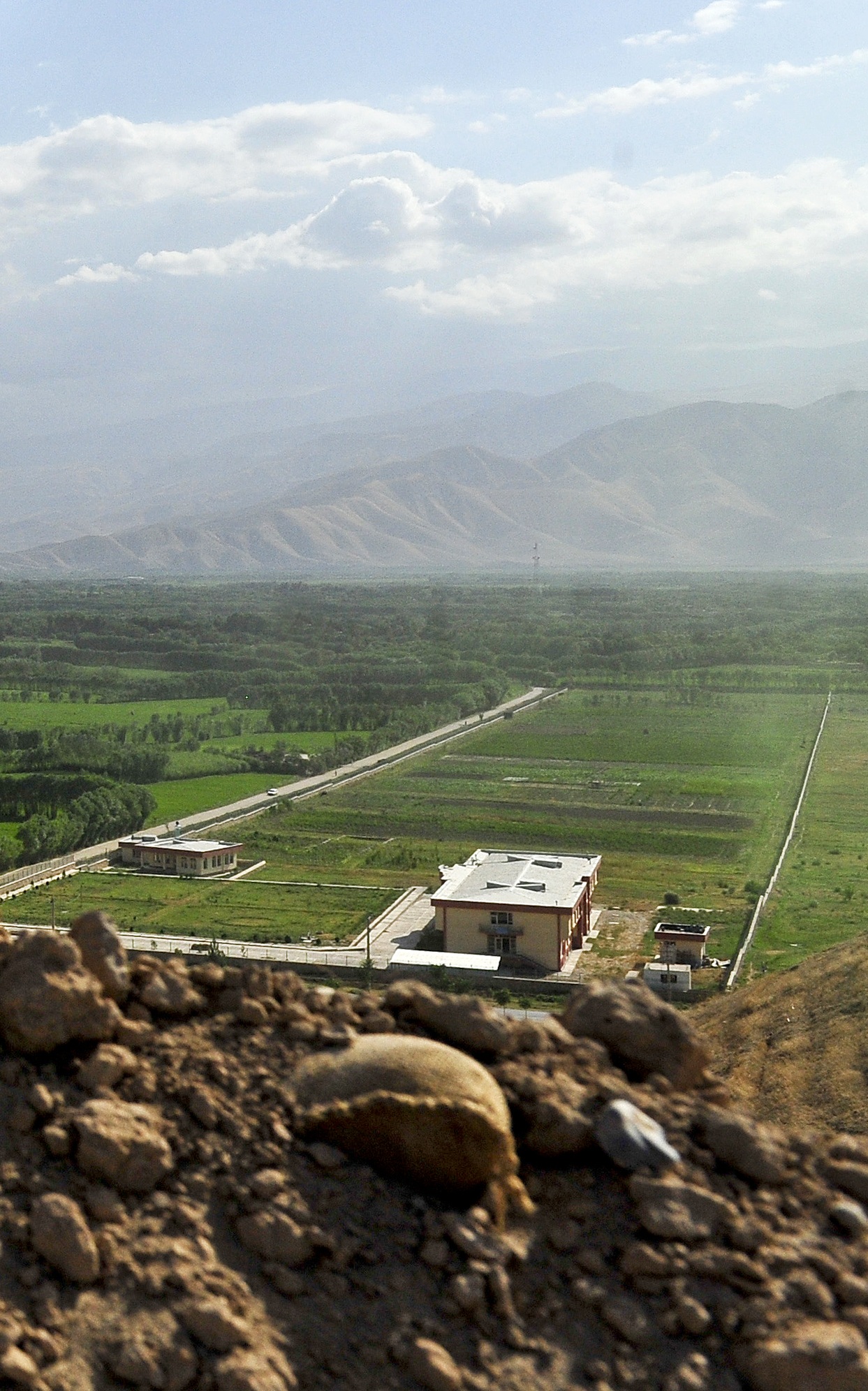


Geography and people
Samangan occupies a transitional landscape between plains and the lower ranges of the Hindu Kush. Climate is semi-arid with cold winters and warm summers. The population is ethnically diverse, with communities speaking Dari (Persian) as well as Uzbek, Pashto and other local languages. Rural livelihoods revolve around farming, livestock and small-scale crafts.
History and archaeology
The province has deep historical roots and produced important archaeological finds tied to Central Asian and Silk Road civilizations. Buddhist-era remains indicate the area was an active cultural crossroads in antiquity. Excavated stupas, monasteries and rock-cut relics attract researchers and underline the region’s multi-layered past.
Economy, administration and services
Economically, Samangan depends largely on subsistence and commercial agriculture, local markets and some artisanal production. Provincial administration is headed by a governor and includes civil sectors responsible for education, health and infrastructure; like many Afghan provinces, service delivery faces challenges from limited resources and security constraints.
Notable sites and distinctions
- Takht-e Rustam and similar ancient complexes, known for stupas and carved monasteries.
- The provincial capital Aybak, a local market and administrative center.
- Archaeological interest linked to wider Central Asian trade routes.
For further administrative or travel references, see local provincial overviews such as Samangan entries in regional guides. Contemporary priorities include improving rural infrastructure, expanding education and preserving archaeological heritage.
Related articles
Author
AlegsaOnline.com Samangan Province, northern Afghanistan Leandro Alegsa
URL: https://en.alegsaonline.com/art/86635
Sources
- cso.gov.af : "Settled Population of country by Provinces and sex for 2006-2009 years"
- mrrd.gov.af : "Samangan"
- fao.org : Afghanistan Geographic & Thematic Layers