
Mosquito (Culicidae): biology, life cycle, and human impact
Mosquitoes (family Culicidae) are small two-winged insects whose females often feed on blood. This article summarizes their taxonomy, anatomy, life cycle, role in ecosystems, public-health importance and control methods.
Overview
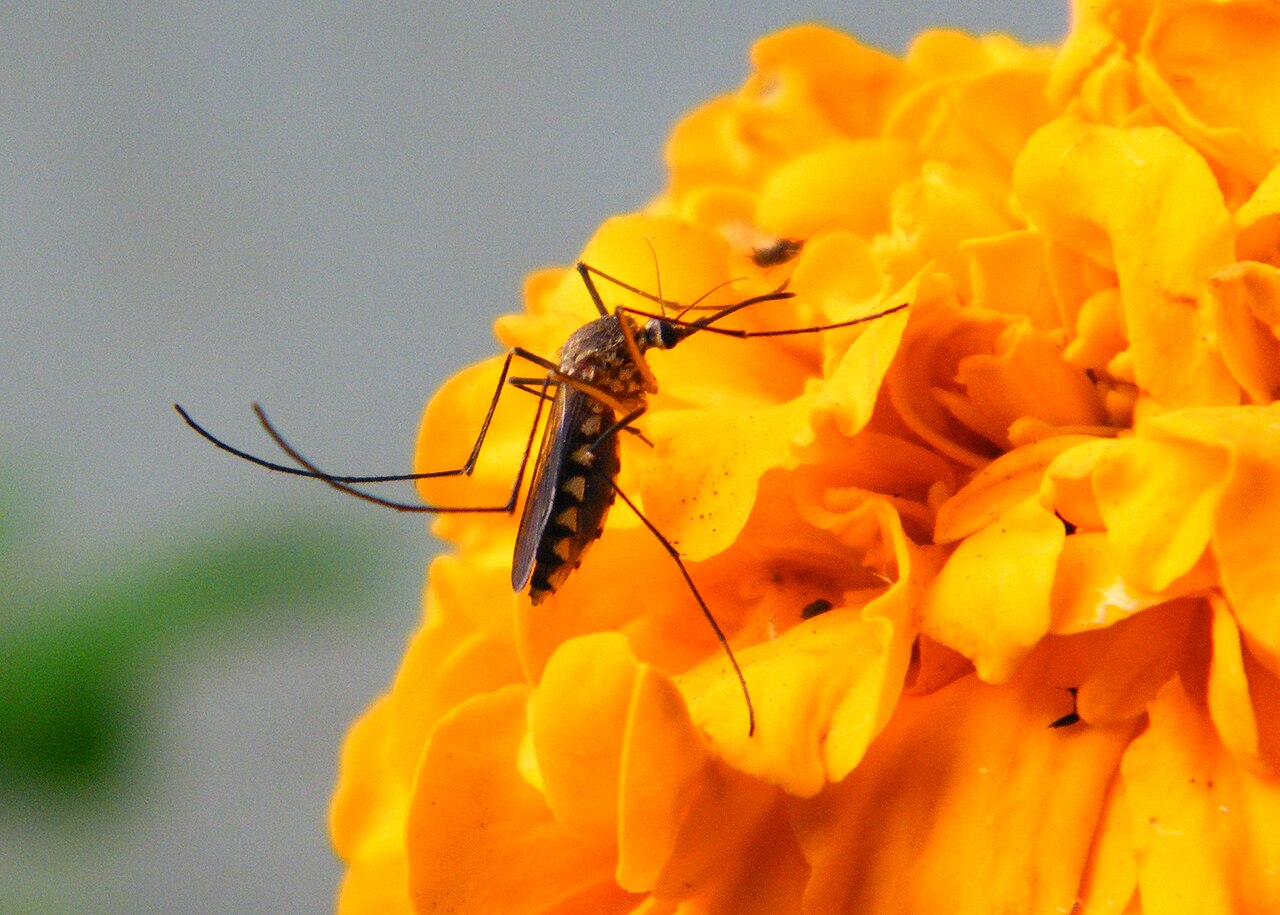
Mosquitoes are small two-winged insects commonly described as a type of fly. They belong to the family Culicidae within the insect order Diptera. Thousands of species occur worldwide, occupying diverse habitats from tropical wetlands to temperate regions. Most species are best known for the blood-feeding habits of females, but both sexes often visit flowers to feed on plant sugars.
Image gallery
10 Images




Anatomy and feeding behavior
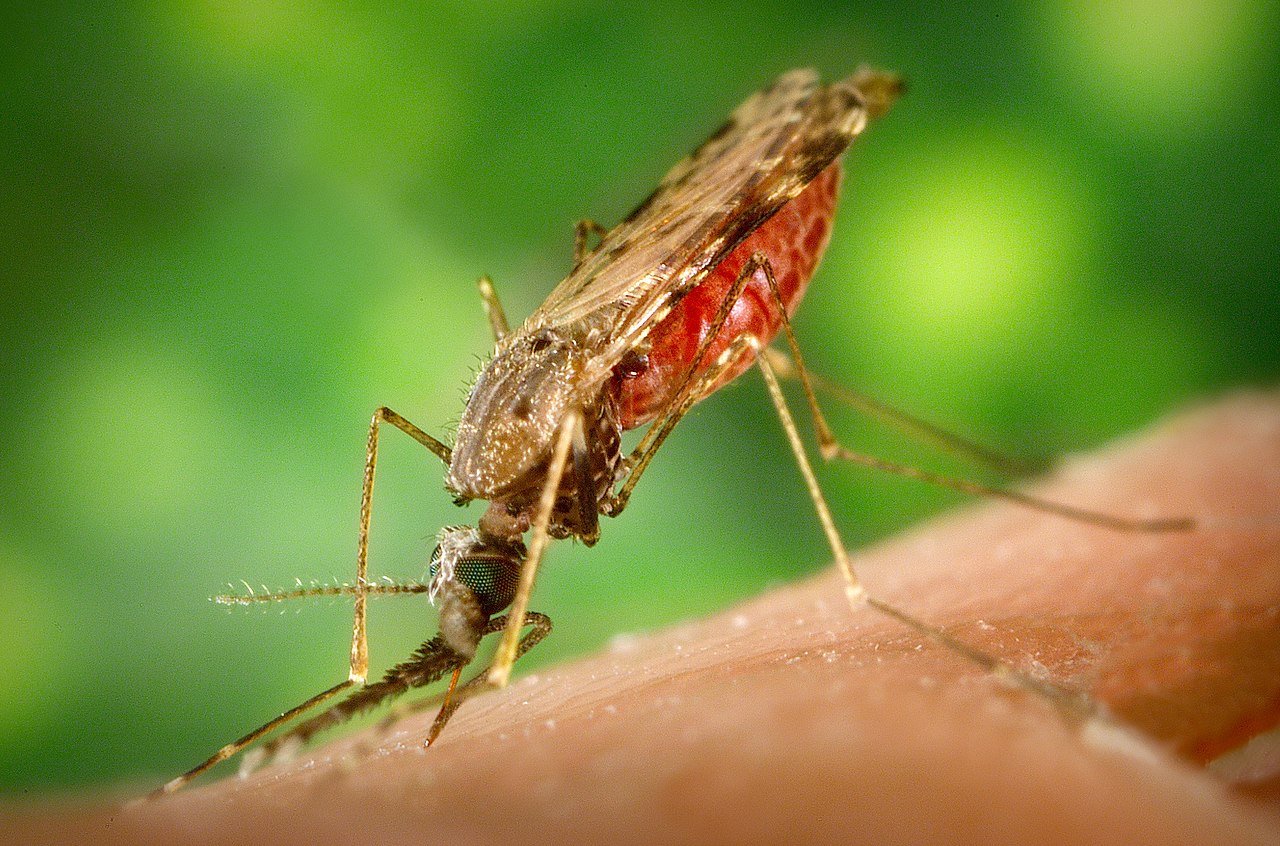
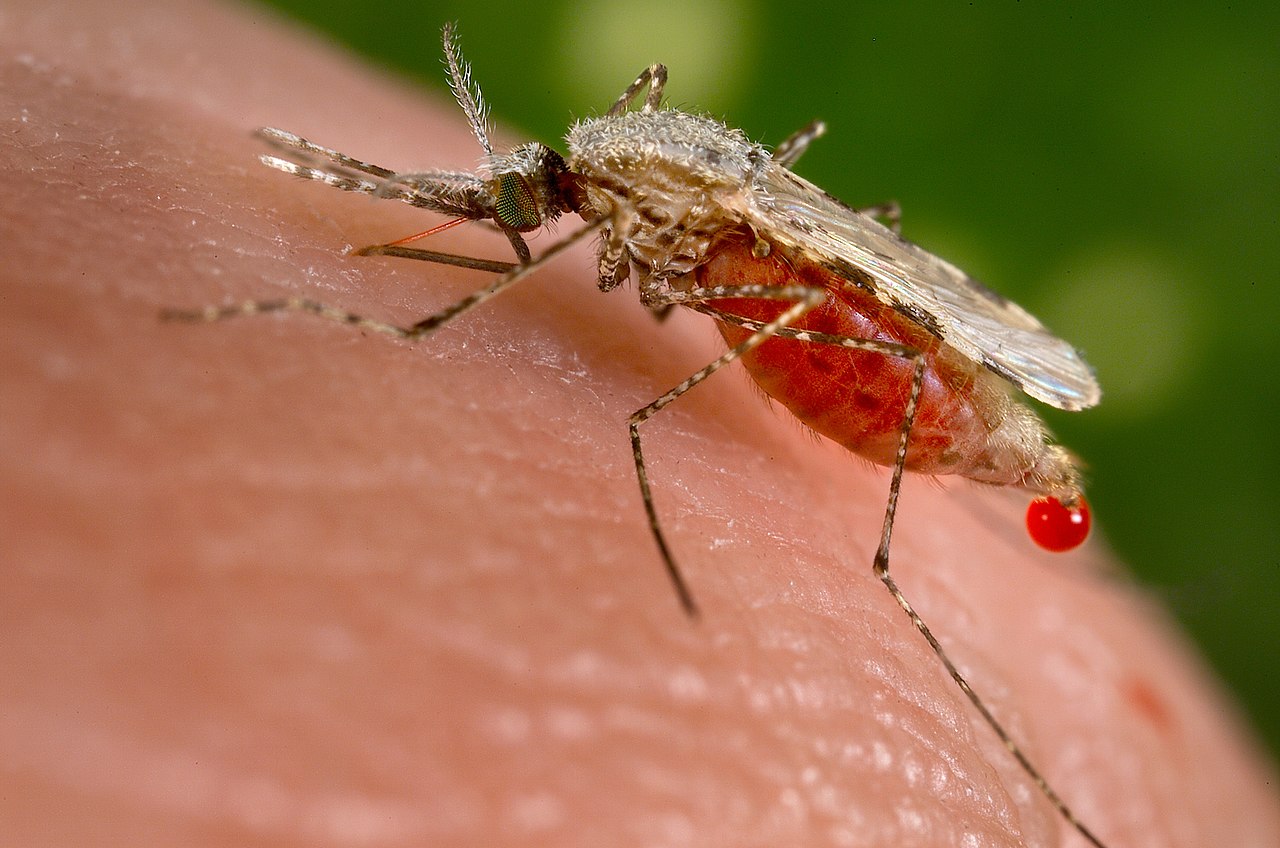
Adults are slender, with long legs, scaled wings and a specialized mouthpart called a proboscis. Female mosquitoes are ectoparasites on many warm-blooded animals, where they probe skin to reach a small capillary. During feeding they may be described as injecting saliva that contains anticoagulant compounds while drawing blood. The saliva can also transmit microorganisms between hosts. Males and females feed on nectar for energy; females additionally require nutrients from blood to develop eggs.
Life cycle
Mosquitoes undergo complete metamorphosis with egg, larva, pupa and adult stages. Eggs may be laid singly or in rafts on or near standing water. Larvae live in water and feed on organic material and microorganisms; pupae are non-feeding, and adults emerge to fly and reproduce. Female mosquitoes switch from sugar sources to blood meals because the protein and other nutrients in blood support egg development and maturation.
Medical and ecological importance
Mosquitoes are important disease vectors. Certain species can transmit well-known human infections, including malaria, dengue, Zika, yellow fever and West Nile virus; their role in disease transmission has major public-health consequences globally. Ecologically, mosquitoes and their aquatic larvae provide food for fish, amphibians, birds, bats and predatory insects, and adults can contribute to pollination of some plant species.
Prevention and control
Control strategies combine habitat management, personal protection and targeted interventions. Common measures are removing or treating standing water, using bed nets and window screens, applying topical or spatial repellents, and encouraging natural predators. Biological larvicides such as Bacillus-based products, introducing larvivorous fish, and area-wide techniques like the sterile insect approach or genetically based methods are used in specific programs. Public-health efforts aim to reduce biting risk while minimizing environmental impact.
Research and public guidance
Ongoing research covers vector ecology, pathogen interactions, improved surveillance and novel control technologies. For reliable practical advice consult entomology and public health resources; for basic terms see entries on fly, the insect order Diptera, and family-level information at Culicidae. Additional topics include host-seeking cues for warm-blooded animals, the process of capillary probing and the effects of saliva during feeding. Energy sources such as nectar and the importance of protein for egg formation are central to understanding mosquito behavior. Practical descriptions of feeding, including how a mosquito may be seen as injecting while taking blood, help explain why control and prevention remain priorities in many regions.
Questions and answers
Q: What is a mosquito?
A: A mosquito is a type of fly that belongs to a family of flies in the Diptera order.
Q: What do female mosquitoes do when they land on warm-blooded animals?
A: Female mosquitoes pierce a capillary, inject saliva to stop the blood coagulating, and suck up and eat the blood of warm-blooded animals.
Q: What type of parasites often live in mosquito saliva?
A: Deadly microscopic parasites often live in mosquito saliva.
Q: What do male mosquitoes feed on?
A: Male mosquitoes are nectar-feeders.
Q: Do female mosquitoes also feed on nectar?
A: Yes, female mosquitoes also feed on nectar.
Q: Why do female mosquitoes turn to blood for its protein?
A: Female mosquitoes turn to blood for its protein in preparation for egg-laying.
Q: Are mosquitoes ectoparasites or endoparasites?
A: Mosquitoes are ectoparasites because they live outside the body and feed on the blood of other animals from the outside.
Related articles
Author
AlegsaOnline.com Mosquito (Culicidae): biology, life cycle, and human impact Leandro Alegsa
URL: https://en.alegsaonline.com/art/66857
Sources
- species.wikimedia.org : Diptera
- mosquito-taxonomic-inventory.info : Harbach R.E. 2011. Mosquito Taxonomic Inventory
- mosquito.org : "Mosquito-Borne Diseases"
- news.nationalgeographic.com : "Africa's malaria death toll still "outrageously high""
- atsdr.cdc.gov : atsdr.cdc.gov
- pubmed.ncbi.nlm.nih.gov : 15562955
- doi.org : 10.2987/8756-971X(2007)23[65:CC]2.0.CO;2
- pubmed.ncbi.nlm.nih.gov : 17853599
- geologica-acta.com : PDF 177 kb
- esa.publisher.ingentaconnect.com : esa.publisher.ingentaconnect.com/content/esa/aesa/2004/00000097/00000005/art00004
- biomedcentral.com : "The salivary gland transcriptome of the neotropical malaria vector Anopheles darlingi is thought to reveal accelerated evolution of genes relevant to hematophagy"
- doi.org : 10.1186/1471-2164-10-57