
Ryukyu Kingdom: history, culture, and legacy of the Okinawan realm
A concise encyclopedia article on the Ryukyu Kingdom: its origins, institutions, trade networks, cultural blending, relationships with China and Japan, and its legacy in modern Okinawa.
Overview
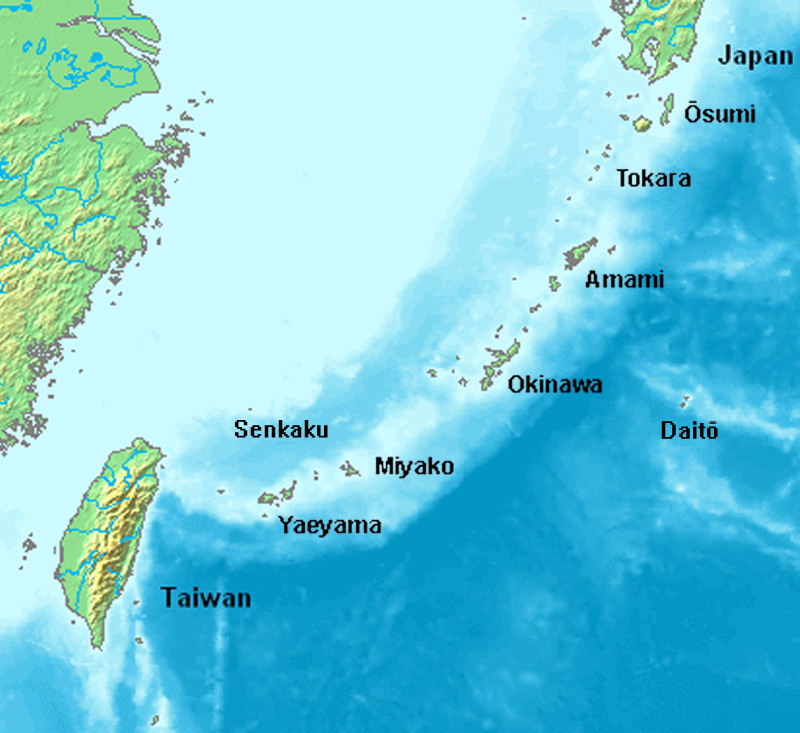
The Ryukyu Kingdom was a distinct political and cultural entity centered on the island of Okinawa and nearby islands. It emerged from a period of local division into a unified kingdom that maintained its own royal court, social structures, and maritime economy. The name "Ryukyu" derives from a Chinese transcription (Liuqiu) and the polity is often described in histories as a bridge between larger East Asian powers and the islands' native traditions. For a general reference see former country and regional summaries at Okinawa resources.
Image gallery
10 Images


Origins and political development
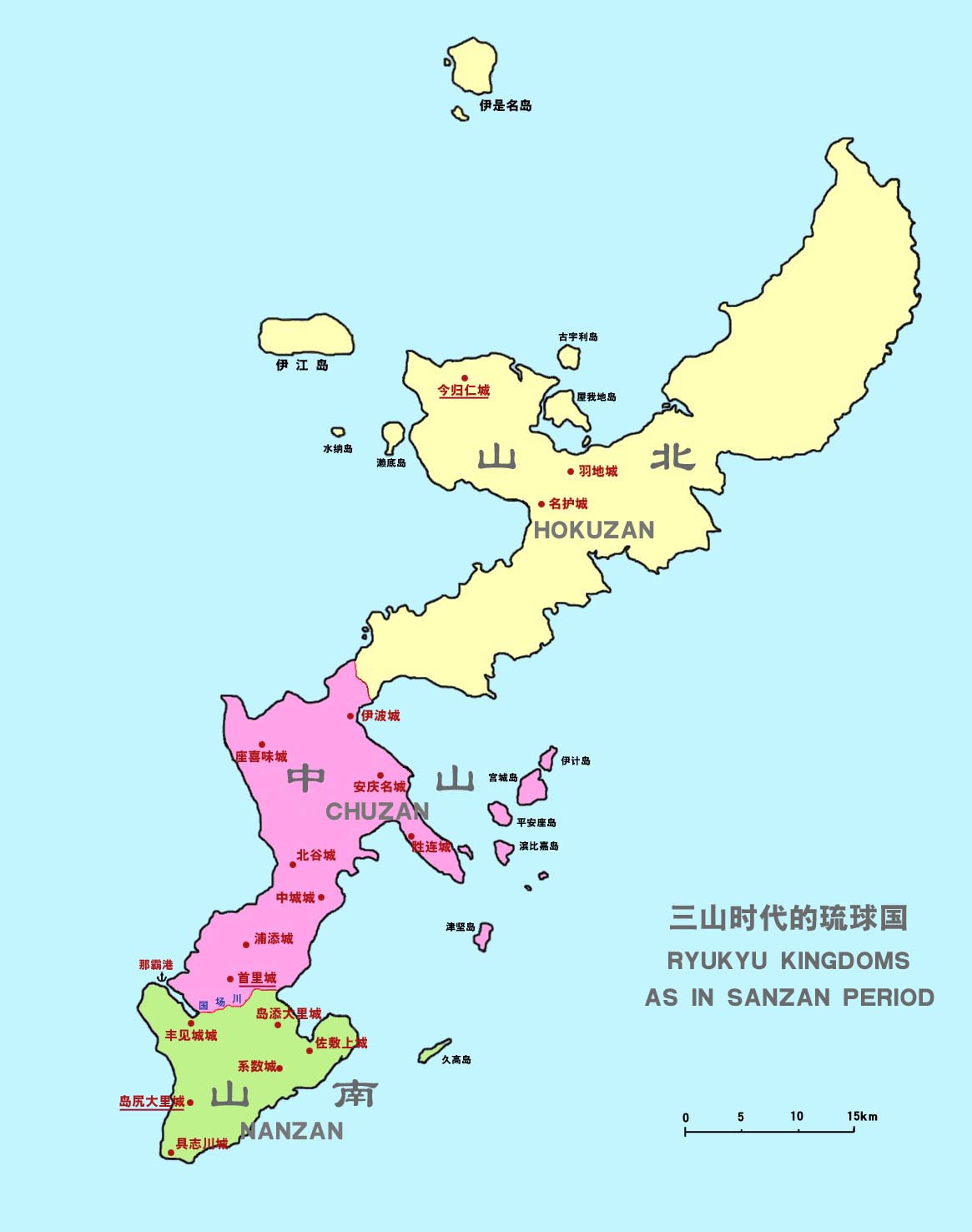
In the 14th and early 15th centuries, Okinawa was divided into three polities commonly called Nanzan, Chuzan and Hokuzan. Chuzan's ruler, later known as Shō Hashi, consolidated the island chain and established a centralized royal line that is usually dated to the early 15th century. The royal court at Shuri became the administrative and ceremonial center; today the site is associated with Shuri Castle and city history (Japan context, Meiji era note). The kingdom evolved a court hierarchy and bureaucratic offices influenced by nearby states (independence and polity).
Trade, diplomacy and foreign relations
Maritime trade was central to Ryukyu's economy and identity. The kingdom developed active commercial and diplomatic ties with Ming and later Qing China, with Japan, and with Southeast Asian ports. It operated as a tributary partner to China while also navigating relations with Japanese domains—most notably after the 1609 invasion by the Satsuma domain, which left Ryukyu with a dual relationship to both powers. Important events and diplomatic arrangements are treated in many overviews (cultural ties, government).
Society, language and culture
Ryukyuan society combined indigenous practices with imported elements from China, Japan and elsewhere in Asia. Court rituals, ceramics, textile arts and musical traditions reflect this blend. The Ryukyuan languages form a distinct branch within the Japonic family and are different from mainland Japanese; they include multiple regional varieties and are recognized as important elements of Okinawan heritage (language, trade center).
Key events and decline
Several milestones mark the kingdom's history: unification under Chuzan, flourishing tributary trade, the 1609 Satsuma invasion that imposed a degree of control, and the 19th-century pressure from a modernizing Japan. In the 1870s the Meiji government formally annexed the islands, replacing the kingdom's institutions with prefectural administration and ending the Ryukyuan monarchy as a sovereign polity (name origin, kingdom status, dynasty). The royal court had ruled from Shuri Castle and maintained ritual and administrative roles until annexation (kings, Shuri).
Legacy and notable facts
The Ryukyu Kingdom left a lasting imprint on regional identity. Its material culture, music, and religious practices survive in Okinawa and among diasporic communities. The islands' strategic location made them a focus of international interest in later centuries and contributed to a layered cultural landscape that scholars study for insights into maritime East Asia (Naha and modern context).
- Distinct institutions: royal court, tribute missions, specialist crafts.
- Cross-cultural synthesis: visible in language, religion, and art.
- Historical turning points: unification, Satsuma influence, Meiji annexation.
For further reading and primary-source collections consult specialized histories and museum collections that focus on East Asian maritime networks and Ryukyuan archives (overview, polity, culture).
Related articles
Author
AlegsaOnline.com Ryukyu Kingdom: history, culture, and legacy of the Okinawan realm Leandro Alegsa
URL: https://en.alegsaonline.com/art/84999