
El Salvador's Civil War (1979–1992): origins, conflict, and peace accords
Overview of El Salvador's Civil War (1979–1992): causes in deep inequality and repression, key actors (government forces, paramilitaries, FMLN), wartime abuses and displacement, and the negotiated 1992 peace accords.
The Salvadoran Civil War was an internal armed conflict in El Salvador fought from 1979 until 1992. It pitted the Salvadoran government and its security forces against a coalition of leftist insurgent groups. The fighting was rooted in long-standing social and political tensions and ended with negotiated peace accords that transformed the country’s political landscape.
Image gallery
10 Images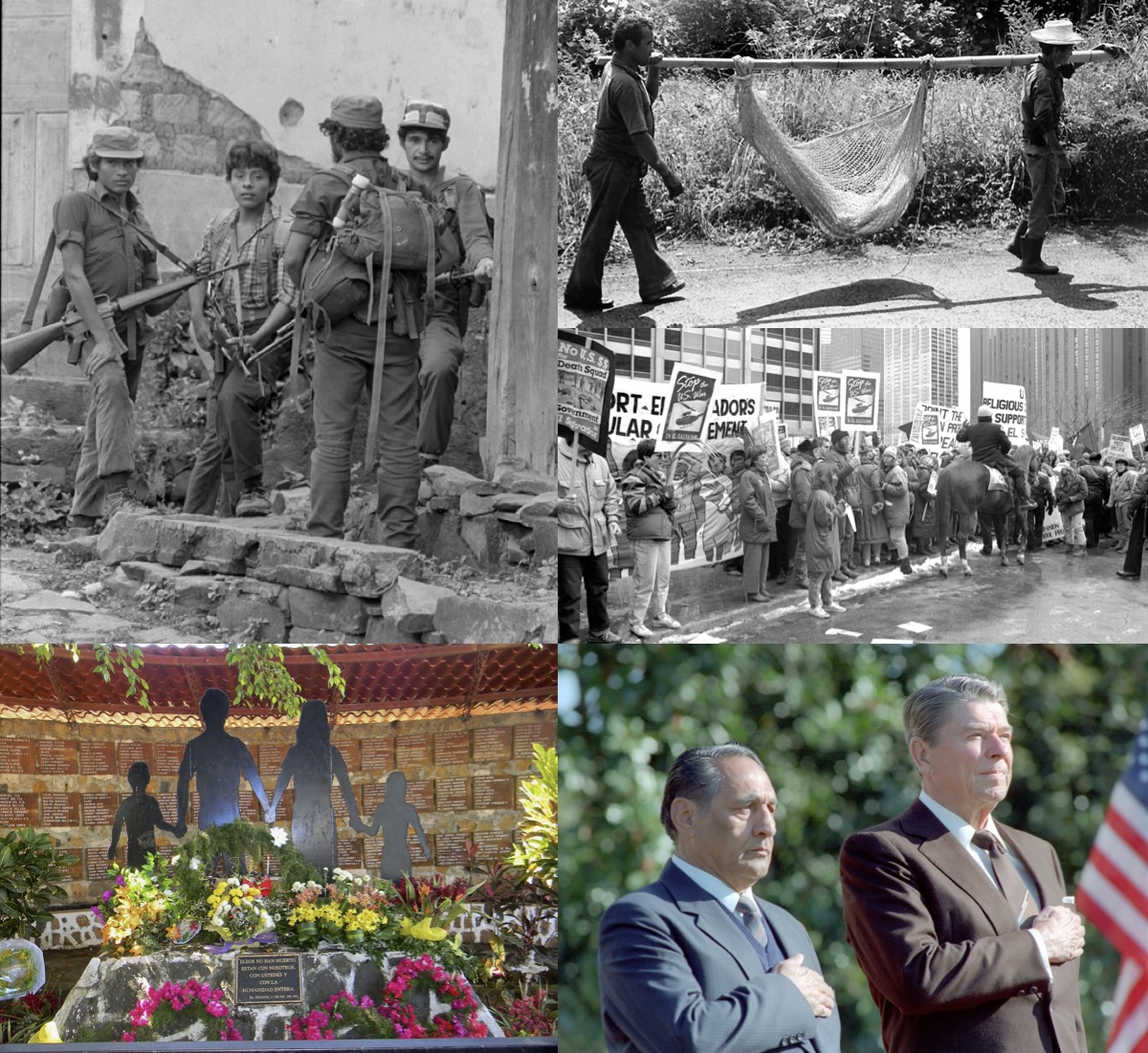




Background
Origins of the conflict lay in deep economic inequality, concentrated land ownership, limited political inclusion, and a history of military-backed governments. During the 1970s, rising popular protest and state repression radicalized sections of the left. In 1979 and the early 1980s, clashes escalated into sustained guerrilla warfare as opposition forces organized into a unified front.
Principal actors
- Government of El Salvador: armed forces, national guard and security services, supported at various times by civilian paramilitary death squads.
- Leftist insurgents: a coalition known as the Farabundo Martí National Liberation Front (FMLN), composed of several guerrilla organizations.
- International actors: foreign governments provided diplomatic, economic and military support to different sides over the course of the war.
Course of the war
Fighting combined rural guerrilla campaigns with urban guerrilla actions, counterinsurgency operations, and episodes of widespread violence against civilians. The intensity of combat and repression varied over time, with some periods of relative stabilization and others marked by major offensives and human-rights crises.
Human cost and abuses
Estimates of the dead and missing vary, but most credible studies place the total number of fatalities in the tens of thousands, with a commonly cited figure of roughly 75,000 killed. Large numbers of civilians were displaced, and both security forces and insurgent groups were responsible for serious human-rights violations, including massacres, forced disappearances, and summary executions. The impact on communities and institutions was severe and long-lasting.
International involvement
The conflict drew regional and extra-regional attention. Some governments provided military assistance, training, and funding to the Salvadoran state, while others expressed support for the insurgents or emphasized humanitarian concerns. International scrutiny and pressure later played a role in pushing the parties toward negotiations.
Peace process and aftermath
Negotiations produced the 1992 peace accords, which dismantled major elements of the military security apparatus, reformed the police and judicial systems, and integrated the FMLN as a legal political party. The agreements also established mechanisms for truth-seeking and reparations, and set a framework for demobilization and reintegration of combatants.
Legacy
The war’s legacy remains central to El Salvador’s politics and society. The transition from armed struggle to electoral competition altered political alignments, but challenges such as inequality, violence, and the need for institutional reform have persisted. Ongoing efforts at reconciliation, memory, and justice continue to shape public debate.
Related articles
Author
AlegsaOnline.com El Salvador's Civil War (1979–1992): origins, conflict, and peace accords Leandro Alegsa
URL: https://en.alegsaonline.com/art/86577