
Saikō (斉衡) — Japanese era 854–857
Saikō (斉衡) was a Japanese era name from November 854 to February 857 during the Heian period, covering the reign of Emperor Montoku and marking a short interval between the Ninju and Ten'an eras.
Overview
Saikō (斉衡) is the Japanese era name (nengō) that ran from November 854 through February 857. It falls within the early Heian period and corresponds to a brief phase of the imperial reign of Emperor Montoku. Era names were used for official dating in court records, edicts, and chronicles.
Image gallery
3 Images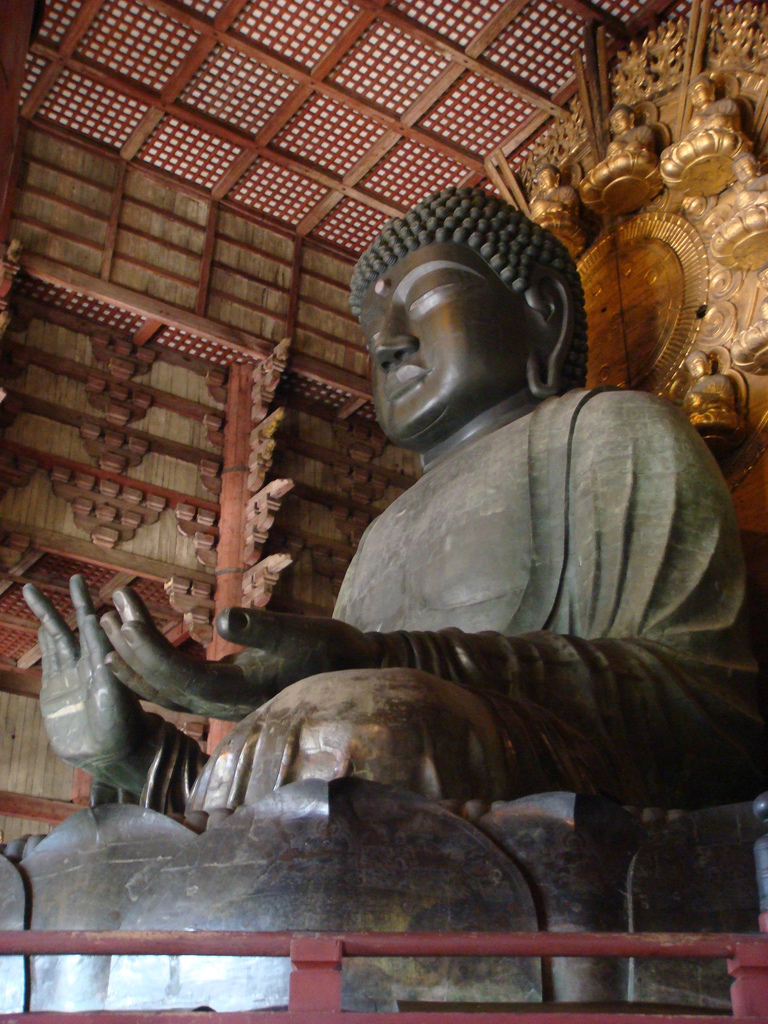


Background and naming
The era succeeded Ninju and preceded Ten'an. Like other era names, Saikō was adopted according to traditional practice when the court wished to mark a fresh beginning — often invoked after extraordinary events, omens, or to celebrate auspicious occurrences. The system of nengō provided a common chronological framework across the central government and provincial administrations.
Characteristics and administration
Saikō was short, lasting a little over two years. During this time the imperial court continued its routines of ritual, tax collection, and provincial governance characteristic of the mid-Heian bureaucracy. The emperor and his court remained the formal center of political authority, although power increasingly involved aristocratic families whose influence shaped policy and appointments.
Notable events and developments
- The period contains routine ceremonial and administrative activity recorded in court diaries and official rosters; no single transformative event defines the era in surviving broad summaries.
- Saikō years appear in dated documents and inscriptions that historians use to sequence legal and religious acts, appointments, and calendar conversions from older records.
Historical context and legacy
Although brief, Saikō sits in a longer continuum of Heian political and cultural development. Scholars use era names like Saikō to anchor chronological narratives of court life, literature, and provincial administration. Its placement between Ninju and Ten'an helps date works and administrative changes during Emperor Montoku's reign and to trace the evolution of court institutions during the ninth century.
The era remains a standard reference point in Japanese chronological tables and is cited in modern histories and translations that examine early Heian governance and aristocratic society.
Related articles
Author
AlegsaOnline.com Saikō (斉衡) — Japanese era 854–857 Leandro Alegsa
URL: https://en.alegsaonline.com/art/85300
Sources
- books.google.com : "Ninju"
- books.google.com : "Ten'an"
- books.google.com : Annales des empereurs du japon, p. 112-114
- books.google.com : Gukanshō, p. 285
- books.google.com : p. 113
- books.google.com : "Minamoto no Tokiwa"
- books.google.com : "Nihon kōki"
- books.google.com : p. 114.