
Okinawa: geography, history, culture, and natural heritage
Comprehensive overview of Okinawa: the main island and prefecture in the Ryūkyū chain, its geography, climate, culture, cuisine, biodiversity, wartime legacy and contemporary issues including U.S. bases and tourism.
Overview
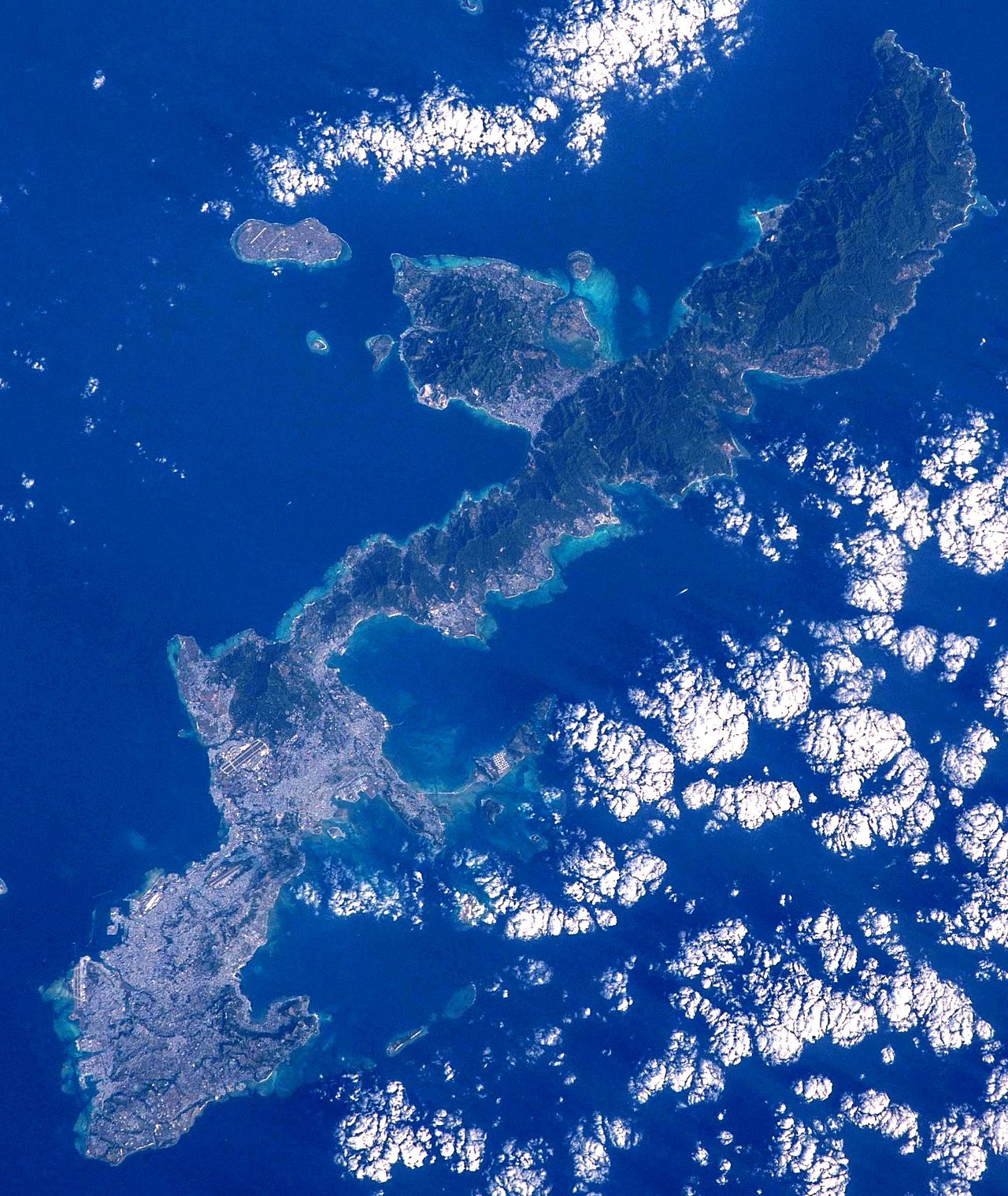
Okinawa commonly refers both to the largest island in its group and to Okinawa Prefecture, the administrative unit that includes the southern Ryūkyū archipelago. The island sits far to the south of Japan and has long acted as a cultural and geographic bridge between mainland Japan, Taiwan and other parts of East Asia. The prefectural capital, Naha, is the political, economic and transport center on the main island and the focus for visitors arriving by air or sea.
Image gallery
10 Images





Geography and environment
The main island—often called Okinawa Island—is the most populous in the chain and lies at the heart of the Ryūkyū Islands. The prefecture administers many smaller islands to the south and east, hosting coral reefs, subtropical forests and sandy beaches. The area has a warm maritime climate, with mild winters and hot, humid summers; the climate supports diverse marine life and year‑round outdoor activities. Notable wildlife around the islands includes sea turtles, jellyfish and numerous seabirds, and local waters are rich in fish and other marine resources.
Culture, language and daily life
Okinawa has a distinct cultural identity shaped by centuries as the independent Ryūkyū Kingdom and later integration into modern Japan. Traditional music and dance remain important: the three‑stringed sanshin is a signature instrument and appears in folk songs and festivals. Local society places heavy emphasis on community, ritual, and elder respect—factors often cited when discussing Okinawan longevity. Cuisine reflects maritime and agricultural resources: fish, local sea vegetables and pork feature prominently in everyday dishes.
- Typical specialties: Okinawa soba, gōya champuru, rafute and ji‑mami dōfu.
- Common ingredients: fish, sea vegetables, pork.
- Musical life: the Okinawa music tradition and the sanshin.
History and wartime legacy
Okinawa was once the center of the independent Ryūkyū Kingdom and later became part of the modern Japanese state. In 1945 the islands were the scene of the bloody Battle of Okinawa, one of the largest amphibious campaigns of World War II. The fighting and civilian toll left deep scars; monuments and memorials across the islands commemorate the lives lost, including the Himeyuri nursing corps memorial. The wartime experience continues to shape local memory, politics and identity.
Postwar occupation, bases and contemporary issues
Following the war, Okinawa came under U.S. administration for several years and many American military installations remain today. The presence of the United States and its military forces affects land use, local politics and the economy. Bases host soldiers and related personnel, and debates over base consolidation, noise, environmental impact and jurisdiction are ongoing issues between local residents and national governments.
Tourism, economy and notable facts
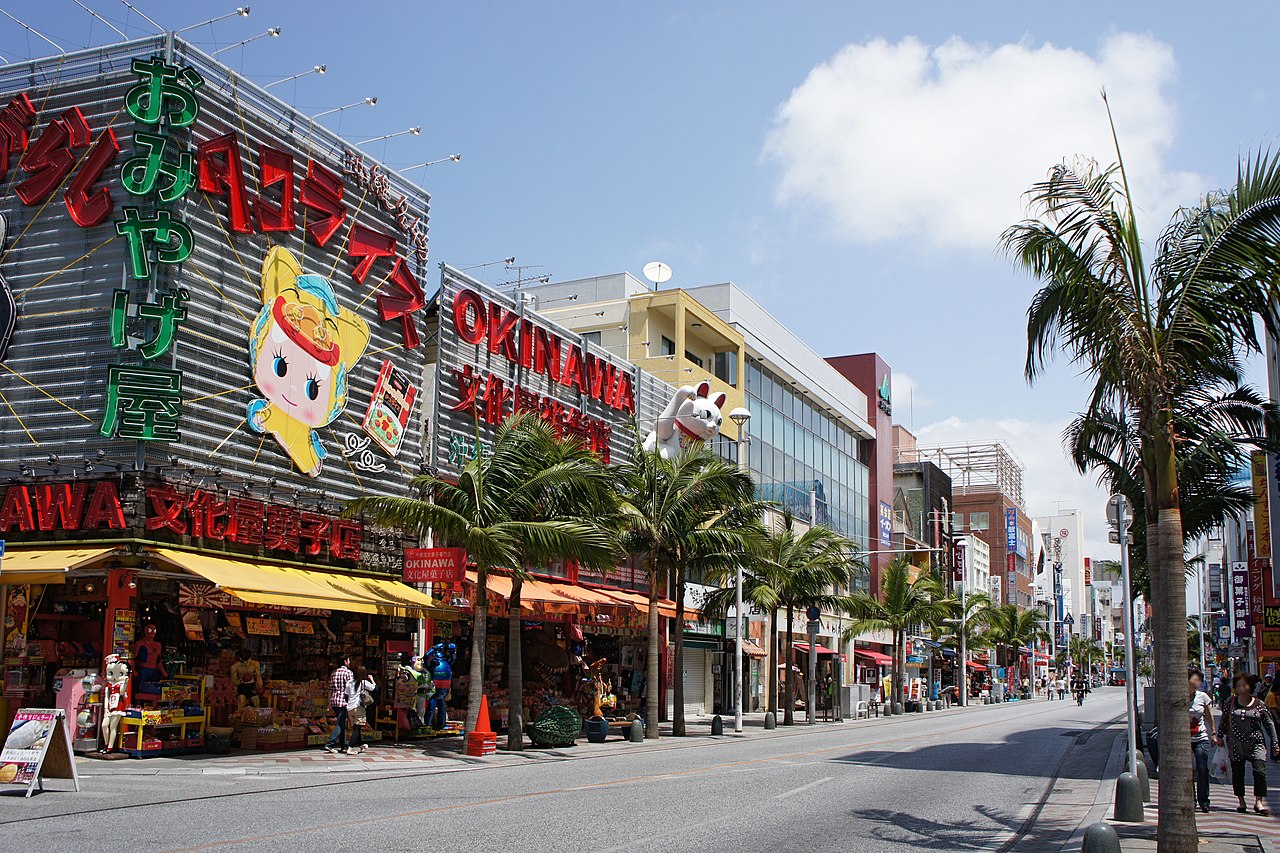
Tourism is a major economic driver: visitors come for beaches, diving, cultural festivals and historical sites. The economy also includes agriculture, aquaculture and small industry. Okinawa is often noted for the longevity of many residents—researchers study diet, lifestyle and social networks for clues—though claims about average lifespans should be read cautiously. Traditional crafts, distinct festivities and coral reef conservation are further features that attract international interest.
For more focused information, official travel resources and cultural overviews are available online and in print; local museums and islands provide living examples of Okinawa’s layered past and vibrant present. Additional reference links: largest island, Okinawa Prefecture, climate and temperature, sea turtles, jellyfish, seabirds, samurai, last major battle, sea vegetables resource, beach tourism, archipelago overview, WWII context, battle sites, U.S. relations, defense issues, military personnel, local fisheries, pork dishes, music festivals, national context.
Questions and answers
Q: What is the name of the biggest island in the Ryūkyū Islands?
A: The biggest island in the Ryūkyū Islands is called Okinawa.
Q: What is the capital of Okinawa?
A: The capital of Okinawa is Naha, which is located on Okinawa Island.
Q: Who inhabits the islands surrounding Okinawa?
A: The Okinawan people inhabit the minor islands surrounding Okinawa. There are also many Japanese living in Okinawa.
Q: What kind of animals live around Okinawa?
A: Animals such as sea turtles, jellyfish, and many kinds of birds all live around Okinawa.
Q: How long do Okinawans typically live for?
A: On average, Okinawans live to be older than 100 years old. Some people think this may be due to their healthy diet.
Q: What type of music does Okinawa have? A: Okinawan music is popular all over Japan and a musical instrument called a sanshin is often used in their songs and dances. Every year on March 4th they celebrate their musical instrument by singing folk songs together.
Q: What are some examples of local specialties from Okinawa? A: Examples of local specialties from Okinawa include Okinawa Soba, Go-ya Champuru, Rafute, and Ji-mami-doufu.
Related articles
Author
AlegsaOnline.com Okinawa: geography, history, culture, and natural heritage Leandro Alegsa
URL: https://en.alegsaonline.com/art/72211
Sources
- en.wikivoyage.org : Okinawa
- commons.wikimedia.org : Okinawa prefecture
- books.google.com : "Okinawa-ken"