
Naha — Capital of Okinawa Prefecture, Japan
Overview of Naha, the largest city on Okinawa Island: geography, history from the Ryukyu Kingdom to modern times, culture, economy, transport and main attractions.
Naha is the administrative and cultural center of Okinawa Prefecture in southern Japan. Located on the southern shore of Okinawa Island, it functions as the prefectural capital and principal hub for government, commerce and travel in the Ryukyu Islands. The city's Okinawan name is sometimes rendered as Naafa, and its role connects local Ryukyuan traditions with broader Japanese administration and international visitors. Okinawa Prefecture and local language matters are important contexts for understanding Naha today.
Image gallery
10 Images


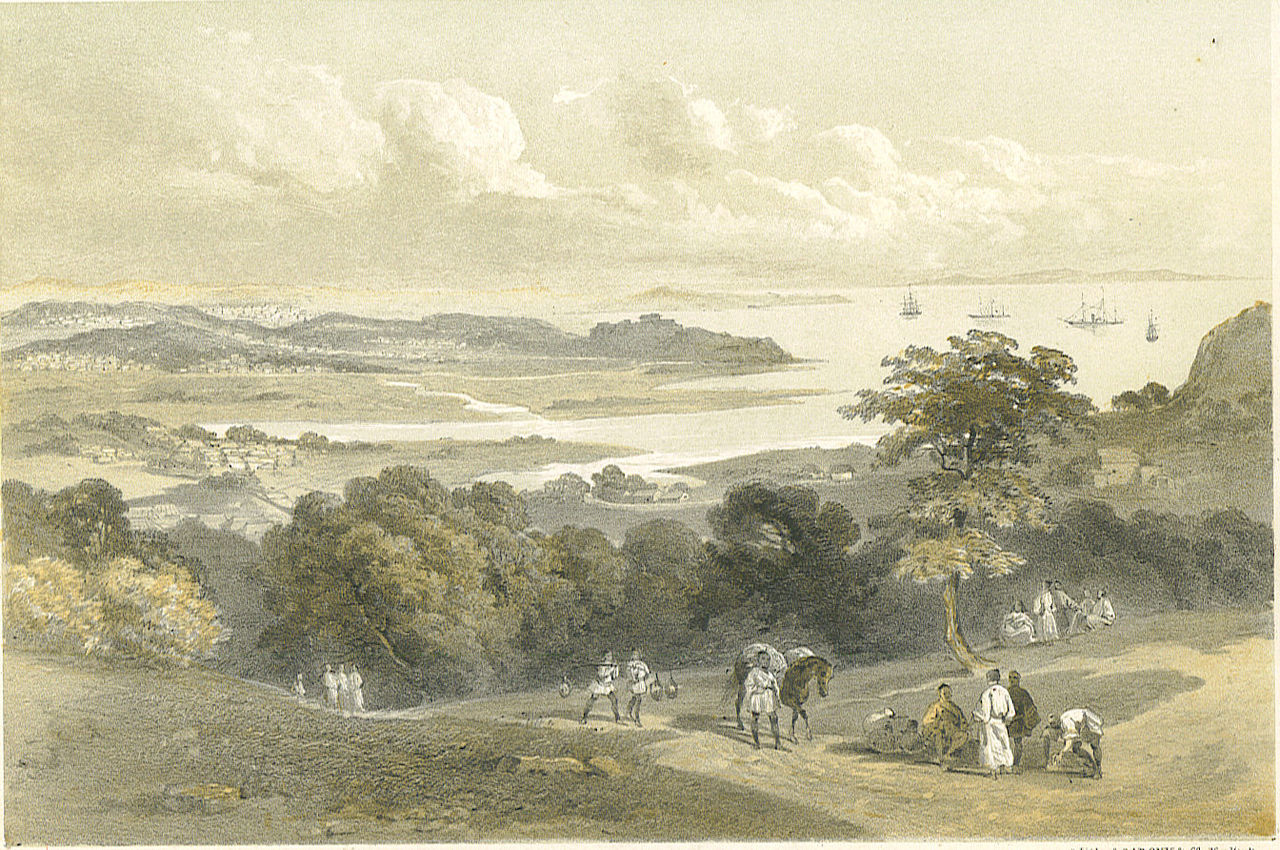
Geography and climate
Naha occupies low-lying coastal land and a natural harbor; nearby coral reefs and subtropical waters shape local livelihoods and tourism. The climate is humid subtropical to tropical: warm, humid summers, mild winters and a pronounced typhoon season. Green spaces are limited compared with rural parts of the island, but nearby beaches and marine environments are major attractions for snorkeling and diving.
History and development
Naha grew from the political and commercial heart of the Ryukyu Kingdom, whose administrative center was nearby at Shuri. The city later became a key port for regional trade. It suffered extensive destruction during the Battle of Okinawa in World War II and was rebuilt during the U.S. postwar occupation. Okinawa returned to Japanese administration in 1972, after which Naha expanded as a modern prefectural capital while retaining distinct Ryukyuan cultural influences.
Culture, crafts and cuisine
Naha is a focal point for Ryukyuan culture: traditional arts, festivals and crafts persist in neighborhoods such as Tsuboya, known for pottery. Local music, dance and the Okinawan languages coexist with contemporary Japanese culture. Cuisine includes dishes like Okinawa soba, goya chanpuru and the local distilled spirit awamori, which are widely available in markets and eateries.
Economy and transport
The city's economy combines government services, retail, tourism and port activities. Naha Airport serves as the main air gateway to the prefecture and connects to domestic and regional destinations; the urban monorail links the airport with central districts. Ferries and shipping maintain connections to smaller islands in the archipelago.
Points of interest and notable facts
- Shuri Castle (Shurijo) area — historical heart of the Ryukyu Kingdom and a focus of restoration efforts.
- Kokusai-dori — the main downtown avenue, shopping and dining hub with markets and nightlife.
- Makishi Public Market and Tsuboya pottery quarter — centers for food and traditional crafts.
- Marine activities — diving, snorkeling and visits to nearby islands are popular seasonal draws.
For readers seeking deeper information on language and regional administration, see resources on the Okinawan language and prefectural history. Further reading can provide linguistic and cultural context for Naha's unique identity within Japan.
Related articles
Author
AlegsaOnline.com Naha — Capital of Okinawa Prefecture, Japan Leandro Alegsa
URL: https://en.alegsaonline.com/art/68121