
Meiji Restoration
A summary of the Meiji Restoration: the mid-19th-century transition in Japan that ended Tokugawa rule and launched rapid modernization, centralization, and social change under the Emperor.
The Meiji Restoration refers to a series of political and social transformations in Japan that displaced Tokugawa shogunal authority and restored the Emperor to a central position of national leadership. Occurring chiefly in the late 1860s and the early years of the Meiji era, these events set Japan on a path from a feudal, agrarian society toward modern statehood and industrialization. For general background see overview sources.
Image gallery
10 Images



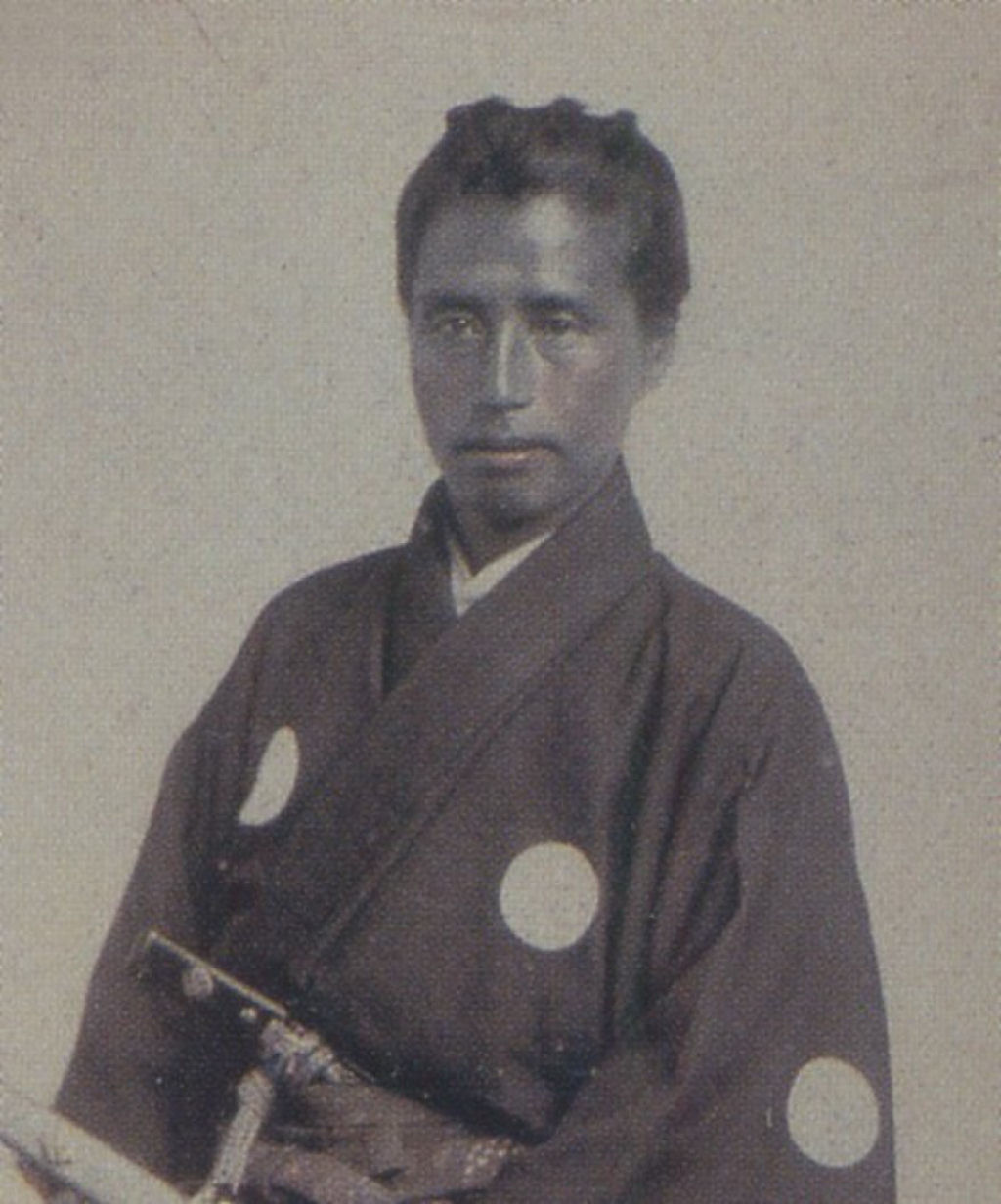
Overview
In Japanese the episode is commonly called Meiji-ishin, a phrase that highlights both the period name (Meiji) and the idea of renewal or reform. The term covers not a single day but a sequence of actions: political maneuvers, local uprisings, negotiated transitions, and institutional reforms that together changed how Japan was governed and how it related to the outside world. Scholars often concentrate on the years surrounding 1868 when decisive shifts occurred.
Causes and principal events
- Decline of centralized military rule under the Tokugawa shogunate and rising discontent among regional domains.
- Pressure from foreign powers and the opening of Japanese ports after mid-19th-century treaty negotiations.
- Alliances among court nobles, samurai from reform-minded domains, and other actors who sought to restore imperial authority.
- Key moments include the 1868 proclamation restoring imperial rule, the transfer of the capital functions to Edo (renamed Tokyo), and subsequent administrative reorganizations.
For timelines and documentary material consult timelines and reference materials.
Major reforms and characteristics
The new leadership pursued several broad programs to consolidate power and modernize the country. Political centralization replaced feudal domains with prefectures and a bureaucratic state. Land and tax reforms stabilized government revenues. A modern conscript army and navy were created, replacing samurai military monopoly. Educational reforms expanded schooling and promoted technical knowledge. Industrial policies encouraged factory growth, railways, and communications.
Consequences and legacy
These changes produced rapid social mobility, urbanization, and the decline of hereditary privileges. The samurai class lost special legal status, which provoked resistance in some regions and episodes of armed unrest. Over the following decades Japan adopted a constitution and parliamentary institutions while rapidly increasing its industrial and military capabilities. The Restoration is widely seen as the pivot that enabled Japan to emerge as a major modern power by the late 19th and early 20th centuries.
Terminology and further reading
The phrase Meiji Restoration can refer both to the short sequence of events that toppled Tokugawa rule and to the longer transformation that followed. For explorations of language, political thought, and period accounts see materials in Japanese and other languages; an entry discussing the term in Japanese appears at language and terminology sources.
Questions and answers
Q: What was the Meiji Restoration?
A: The Meiji Restoration was a period of significant change in Japan's political and social systems from 1866 to 1869.
Q: What is the Japanese word for Meiji Restoration?
A: The Japanese word for Meiji Restoration is Meiji-ishin.
Q: What did the Meiji Restoration bring about in Japan?
A: The Meiji Restoration brought about significant changes in Japan's political and social systems.
Q: When did the Meiji Restoration take place?
A: The Meiji Restoration took place mainly between the years 1866 and 1869.
Q: What was the Meiji period?
A: The Meiji period was a time in Japan when significant changes took place in the political and social systems of the country, mainly between the years 1866 and 1869.
Q: How long did the Meiji Restoration last?
A: The Meiji Restoration lasted approximately three years, from 1866 to 1869.
Q: How is the Meiji Restoration referred to in Japanese?
A: The Meiji Restoration is referred to as Meiji-ishin in Japanese.
Related articles
Author
AlegsaOnline.com Meiji Restoration Leandro Alegsa
URL: https://en.alegsaonline.com/art/63564