
Sakoku: Japan’s early modern policy of controlled contact
Sakoku refers to the Tokugawa-era system of strictly regulated foreign relations and trade in Japan from the 1630s until the mid-19th century, often described as national seclusion but not total isolation.
Overview. Sakoku (the term and its kanji are discussed by some scholars as a later label) described the set of policies enacted by the Tokugawa shogunate in the early Edo period that sharply limited foreign influence and regulated contacts with the outside world. Rather than absolute isolation, sakoku created a tightly controlled framework for diplomacy, commerce and mission traffic intended to preserve political stability and social order in Japan.
Image gallery
10 Images



Origins and implementation
From the 1630s—through a sequence of edicts issued between about 1633 and 1639—the Tokugawa regime imposed strict rules on who could enter or leave Japanese territory and on which foreign powers could trade. These measures were part of broader attempts to contain perceived problems associated with European missionary activity, piracy, and factionalism that could threaten the shogunate’s authority. The policies were administered by the central government and by local authorities at designated ports and checkpoints.
Key characteristics and exceptions
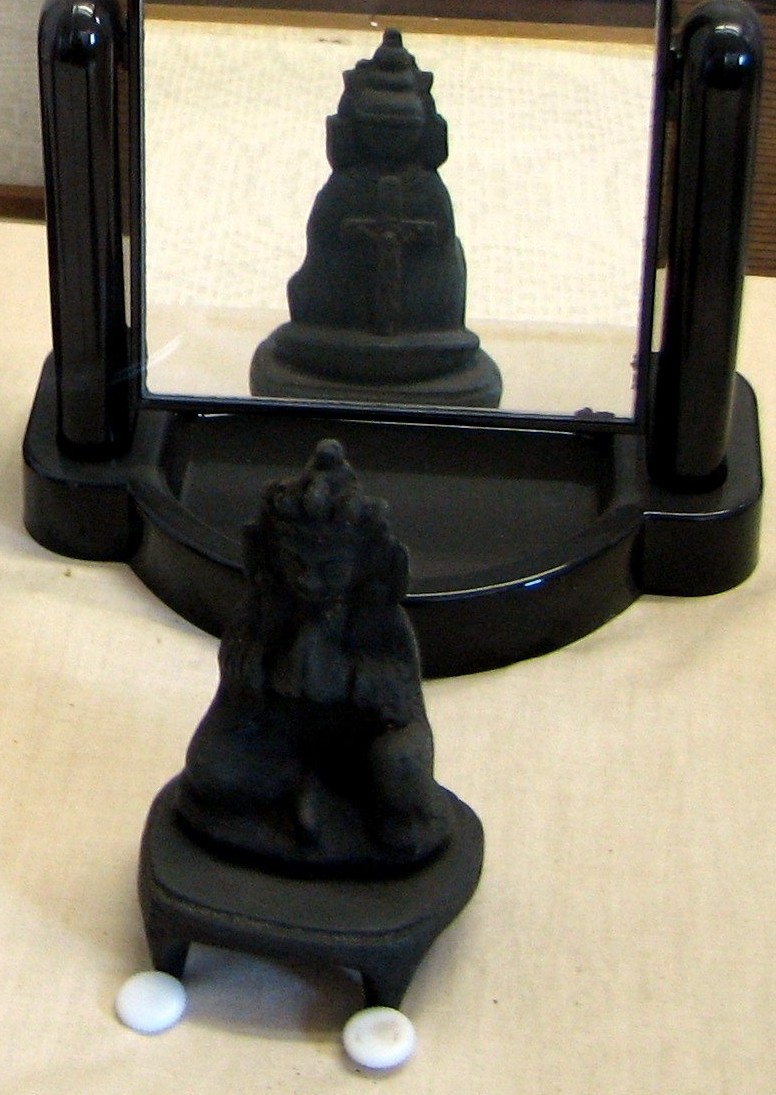
Sakoku is best understood as a system of regulated contact rather than total closure. Travel abroad by Japanese and the permanent settlement of most foreigners were forbidden, and violations could be met with severe punishment. At the same time, limited channels of exchange were maintained under strict supervision.
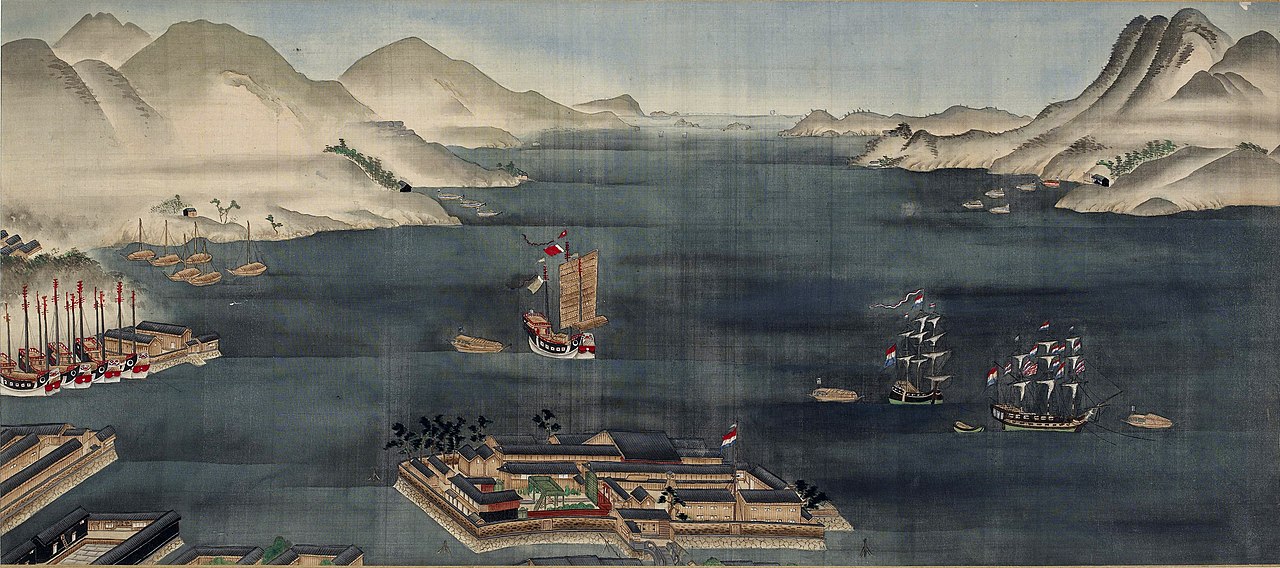
- The Dutch were permitted to trade on a single artificial island near Nagasaki under strict conditions, which allowed a constrained flow of Western books and technology.
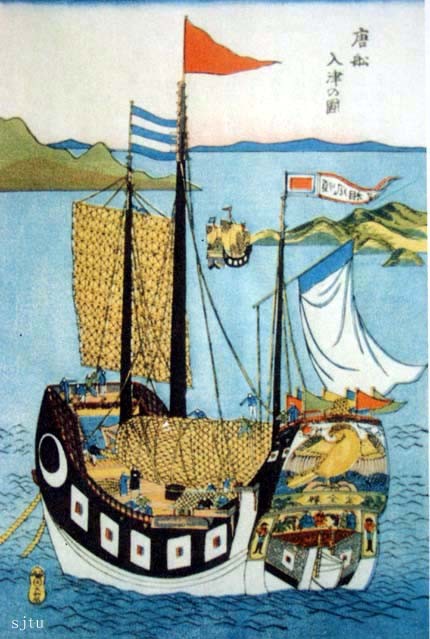
- Chinese merchants and certain Asian intermediaries continued to ply regulated trade in designated ports.
- Diplomatic missions from Korea and Ryukyu were handled under fixed protocols, usually routed through intermediary domains.
Practical effects and cultural impact
Economically, sakoku concentrated foreign commerce into a few ports and channels, shaping domestic markets and limiting the penetration of foreign institutions. Culturally, the policy slowed large‑scale missionary activity and helped preserve many elements of Japan’s social and political order, while also encouraging selective adoption of foreign knowledge (notably through Rangaku, or "Dutch learning").
End of the policy and legacy
The system endured until the mid-19th century, when increasing Western naval power culminated in the arrival of American squadrons under Commodore Perry, whose expeditions led to treaties opening Japanese ports. The prohibition on departure from Japan remained effectively in force until changes associated with the Meiji Restoration. Historians note that sakoku shaped Japan’s modern trajectory by providing a long period of internal consolidation while leaving room for selective technological and intellectual exchange.
Terminology and further reading. The Japanese word and writing for the concept are discussed in linguistic and historical studies; see treatments of the term in works that examine the period’s foreign relations and internal policy choices. For concise background on the policy as foreign policy, and its administration by the shogunate, see sources that treat Tokugawa governance and maritime regulation.
Relevant links: Japanese term and script, foreign policy context, Japan under the Tokugawa, penalties and enforcement, Commodore Perry, Meiji Restoration.
Related articles
Author
AlegsaOnline.com Sakoku: Japan’s early modern policy of controlled contact Leandro Alegsa
URL: https://en.alegsaonline.com/art/86369