
Rugby League: rules, history, and global reach
Concise overview of rugby league: rules, field and players, scoring, origins, competitions and countries where it is played.
Rugby League is a fast, full-contact team sport played with an oval ball. Two sides of thirteen players contest possession on a rectangular pitch roughly 100 metres long by 70 metres wide. A standard match lasts 80 minutes, divided into two 40‑minute halves. The game emphasizes repeated sets of possession, territorial gain and structured attacks as teams attempt to score in the opponent's in‑goal area.
Image gallery
10 Images






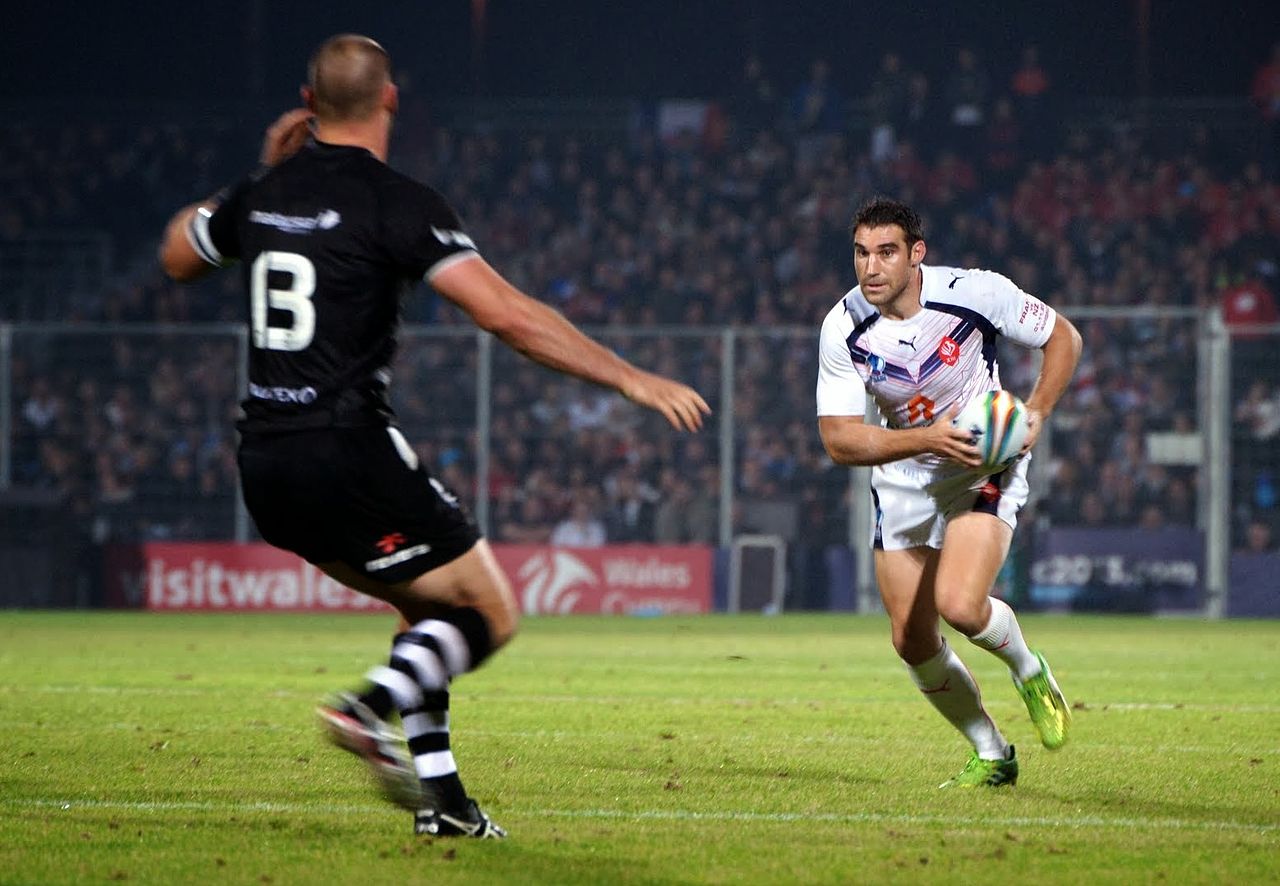


Field, players and basic play
Each side fields thirteen players with defined roles among forwards and backs. After a tackle the tackled player performs a "play‑the‑ball" to restart play; possession is retained subject to a limited number of tackles or an error by the attacking side. Scrums still occur but are generally less contested than in related codes. The combination of continuous running, frequent changes of possession and planned sets makes the sport both strategic and physically demanding.
Scoring
Points can be scored several ways. The most common scoring method is the try, earned by grounding the ball in the opponent's in‑goal area. Conversions and kicks provide additional points. Typical values in modern professional play are:
- Try: 4 points for grounding the ball in the in‑goal area.
- Conversion: 2 points for a successful kick between the posts after a try.
- Penalty goal: 2 points awarded when a team opts to kick at goal after certain infringements.
- Drop goal (field goal): 1 point for a successful drop kick through the posts during open play.
History and development
Rugby League developed as a separate code from rugby union in the late 19th century when differences over payments to players and rule interpretations produced a formal split. The early organization of the sport led to rule changes intended to speed up play and encourage open attacking football. International competition has a long history: representative matches date back many decades and the Rugby League World Cup was first staged in the 20th century. Professional club competitions such as the National Rugby League (NRL) in Australia and the Super League in Europe have driven the game's tactical and athletic evolution.
Global reach and competitions
Rugby League is played in dozens of countries around the world. It has particular strength in parts of the Pacific and in Australia and the United Kingdom. Nations that have competed in major international tournaments include: Australia, England, Ireland, New Zealand, France, Wales, Papua New Guinea, Fiji, Samoa, Tonga, Scotland, United States, Italy, Cook Islands, Lebanon, Russia and South Africa. Major international events and regional tournaments sustain competitive pathways and help grow the game at amateur and professional levels.
Distinctions and notable facts
Rugby League is distinct from other rugby codes in several clear ways: team size (thirteen versus fifteen), the presence of a limited tackle count that promotes structured sets, and the play‑the‑ball restart in place of repeated rucks and mauls. These differences produce a game that is often described as faster and more continuous, with an emphasis on set plays, athleticism and quick defensive realignment. The sport also maintains a passionate following in club and international formats, with strong cultural ties in communities where it has long been established.
For further reading and official rules consult national governing bodies or major competition pages.
Related articles
Author
AlegsaOnline.com Rugby League: rules, history, and global reach Leandro Alegsa
URL: https://en.alegsaonline.com/art/84653