
Samoa: Polynesian island nation in the South Pacific
Overview of Samoa — geography, government, culture, language, economy and notable events, including independence in 1962 and the 2019 measles outbreak.
Overview
The Independent State of Samoa is a sovereign country in Polynesia, located in the central South Pacific Ocean. It comprises two main inhabited islands, Upolu and Savai'i, together with several smaller islets. The largest town and national centre is Apia on Upolu (see Apia). Samoa operates as a parliamentary system with a head of state; the current O le Ao o le Malo is Va'aletoa Sualauvi II. The nation joined the United Nations on 18 September 1962.
Image gallery
10 Images


Geography and environment
Samoa's landscape features volcanic highlands, fertile coastal plains and fringing reefs. Its tropical climate brings relatively stable warm temperatures and seasonal rainfall; cyclones and heavy rain can affect the islands. The environment supports agriculture, coastal fisheries and areas of native forest. Visitors and researchers commonly describe Samoa as part of Polynesia and place it within a wider Pacific island context (location).
Government, society and customary structures
Modern Samoan government blends Western-style democratic institutions with customary systems known as Fa'a Samoa ("the Samoan way"). Fa'a Samoa centers on extended-family units and chiefly titles (matai), which influence local leadership and land tenure. Samoa became independent from New Zealand in 1962 (independence from New Zealand), and since then its constitution has guided a multi-party parliamentary democracy alongside traditional authority.
Language, religion and culture
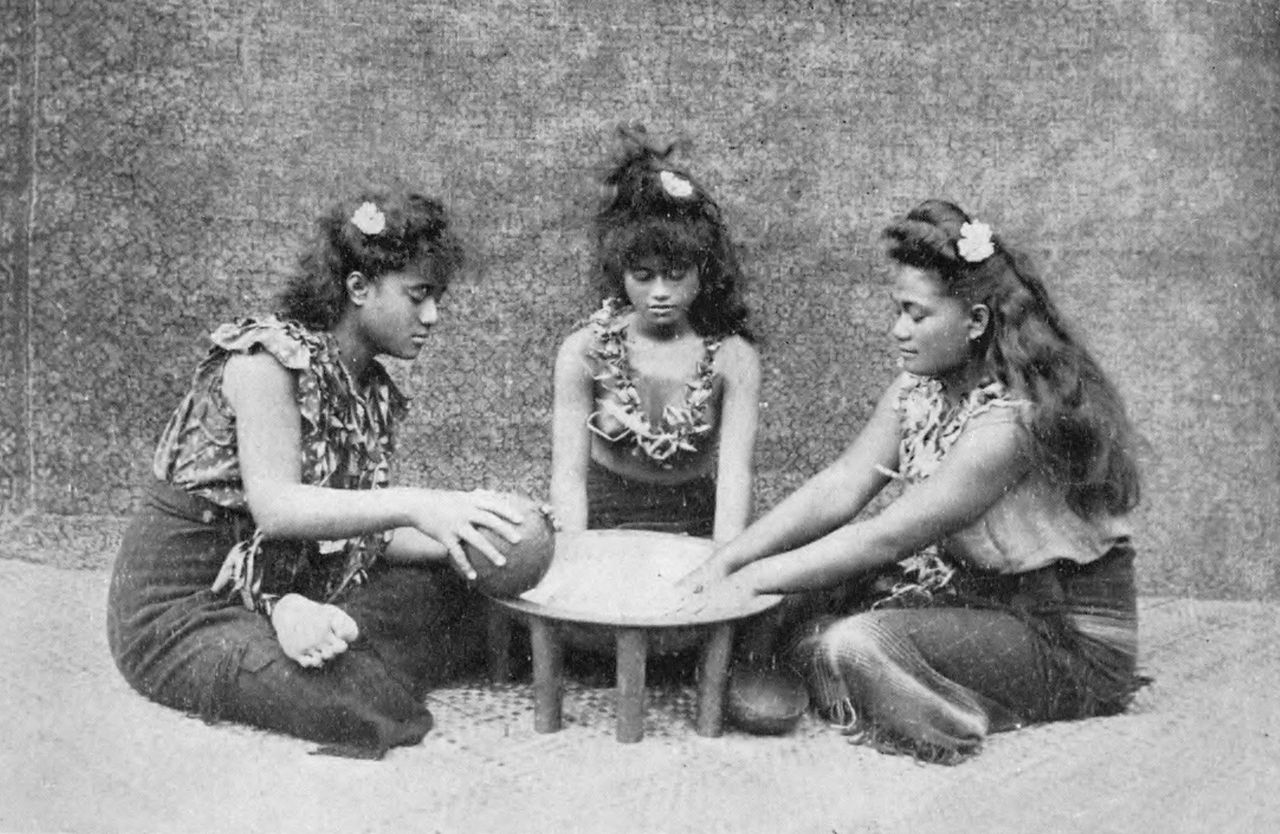
Samoan and English are both official languages; Samoan is widely used in daily life, church and cultural practice (languages). Christianity plays a central role in public and private life. Cultural expressions include traditional dance, music, wood carving and the tatau (tattoo). Community obligations, ceremonies and chiefly protocols remain important in family and village life.
Economy, transport and sport
The economy is mixed and relies on agriculture, fishing, remittances from Samoans overseas and a growing service and tourism sector. Transport connections are primarily by air and sea, linking Samoa to neighbouring Pacific states and international routes. Rugby is the most popular sport and a significant part of national identity; many Samoans play and follow rugby at all levels (rugby).
History and notable events
Samoa's modern timeline includes colonial administration, a movement for independence in the 20th century and the 1962 transfer to full sovereignty. In recent decades Samoa has faced development challenges common to small island states, such as vulnerability to natural hazards and the need for sustainable economic strategies. A significant public health event occurred in late 2019 when Samoa experienced a measles outbreak that began in October and continued into December; authorities and international partners worked to contain the epidemic (outbreak, measles).
Quick facts and further reading
- Capital: Apia (details).
- Islands: Upolu, Savai'i and smaller islets (islands).
- Independence: 1962 (from New Zealand).
- UN membership: 18 September 1962 (UN entry).
- Official languages: Samoan and English (language note).
- Popular sport: Rugby (sport).
This article provides a concise introduction to Samoa’s geography, culture, institutions and recent notable events. For maps, statistics and detailed reports consult the links and resources provided by regional and international organisations (Pacific location, island information).
Questions and answers
Q: What is Samoa?
A: Samoa is a country in the Pacific Ocean.
Q: When did Samoa become independent?
A: Samoa became independent from New Zealand in 1962.
Q: What are the two islands that make up Samoa?
A: The two islands that make up Samoa are Upolu and Savai'i.
Q: What is the capital of Samoa?
A: The capital of Samoa is Apia.
Q: Who is the head of Samoa?
A: The head of Samoa is Va'aletoa Sualauvi II.
Q: What languages are spoken in Samoa?
A: The languages spoken in Samoa include Samoan and English.
Q: What is the most popular sport in Samoa?
A: The most popular sport in Samoa is Rugby, and many Samoan people play Rugby.
Related articles
Author
AlegsaOnline.com Samoa: Polynesian island nation in the South Pacific Leandro Alegsa
URL: https://en.alegsaonline.com/art/86698
Sources
- nzhistory.net.nz : "Towards independence - NZ in Samoa"
- cia.gov : "CIA - The World Factbook"
- imf.org : "Samoa" · webcitation.org
- abc.net.au : abc.net.au/news/2011-12-30/samoa-skips-friday-in-time-zone-change/3753350
- wheels.blogs.nytimes.com : "In Samoa, Drivers Switch to Left Side of the Road"
- un.org : "List of Member States: S"
- facebook.com : "Press release 43"
- rnz.co.nz : "Measles death toll rises to 68 in Samoa"
- twitter.com : "Latest update: 4,357 measles cases have been reported since the outbreak with 140 recorded in the last 24 hours. To date, 63 measles related deaths have been recorded"
- stuff.co.nz : "Samoa moves into tomorrow"
- nzherald.co.nz : "Samoans set to time travel"
- oma-online.org : "Worn With Pride > Tatau (Tatoo)"