
Sapphire (color)
Sapphire is a rich blue hue named for the gemstone. It spans bright to deep blues and is used in design, fashion and symbolism to evoke luxury, stability and clarity.
Overview
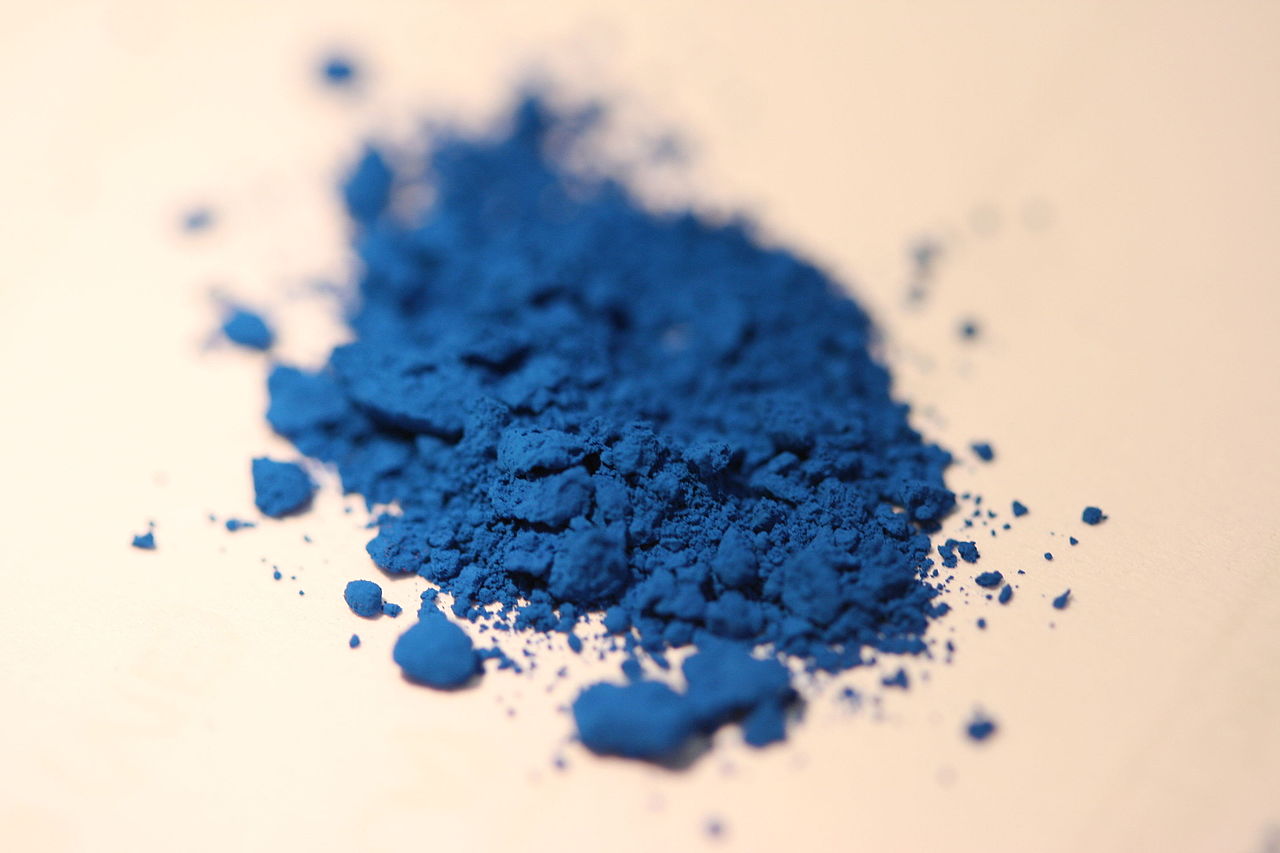
Sapphire denotes a vivid blue color inspired by the natural gemstone of the same name. The term commonly describes a range of blue tones from bright, saturated blue to deeper, more muted navy-like shades. The color name derives from the gem and is widely used in art, textiles, and digital palettes. For information about the mineral inspiration, see the sapphire gemstone.
Image gallery
10 Images




Characteristics
Sapphire shades are typically positioned between blue and indigo on the color spectrum. They may include subtle violet or gray undertones depending on lightness and saturation. In practical use, designers choose sapphire for its balance of vividness and depth—bright variants read as energetic and clear, while darker variants read as calm and formal.
History and name
The color name in English has a long history; one of the earliest recorded written uses dates to the 15th century, with a reference to "sapphire" as a color appearing in texts around 1430. Over centuries the association of the blue hue with the precious stone helped cement its symbolic links to nobility, truth and spiritual clarity in Western and some Eastern traditions.
Uses and cultural significance
Sapphire as a color appears across multiple fields: fashion and jewelry (to echo the gem), corporate branding (to convey reliability and prestige), interior design (as an accent or statement color), and digital interfaces (where it provides readable contrast while feeling refined). Culturally, blue sapphire tones are often tied to ideas of wisdom, loyalty and serenity.
Variations and comparisons
- Blue sapphire / sapphire blue — common names for mid-range vivid blues modeled after gem coloration.
- Deep sapphire — darker, closer to navy; used for formal garments and heraldry.
- Compared with royal blue, cobalt and ultramarine, sapphire tends to sit between those tones with a slightly more jewel-like quality.
Notable facts
As a named color, sapphire has been adopted in paint charts, textile samples and digital color systems. Its long-standing link to the gemstone influences naming conventions (for example, "sapphire" often describes a saturated blue in marketing and manufacturing). For a historical citation of early usage, see the first recorded use.
Questions and answers
Q: What is sapphire (color)?
A: Sapphire (color) is a shade of blue that represents the color of a sapphire gem.
Q: In what range of shades are sapphire gems most commonly found?
A: Sapphire gems are most commonly found in a range of blue shades.
Q: Are there any other names for variations of the color sapphire?
A: Yes, other names for variations of the color sapphire are blue sapphire or sapphire blue.
Q: When was the first written use of sapphire as a color name in English?
A: The first written use of sapphire as a color name in English was in 1430.
Q: Is sapphire a bright blue or a deep blue color?
A: Sapphire can be either a deep blue or a bright blue color, depending on the shade.
Q: What is the color of a sapphire gem?
A: The color of a sapphire gem is typically a range of blue shades.
Q: How long ago was the first written use of sapphire as a color name in English?
A: The first written use of sapphire as a color name in English was over 590 years ago, in 1430.
Related articles
Author
AlegsaOnline.com Sapphire (color) Leandro Alegsa
URL: https://en.alegsaonline.com/art/87272