
Bedroom — function, layout, furniture, and types
A bedroom is a private room primarily for sleeping and resting. This article explains typical components, layout and design considerations, historical development, common types and practical tips.
Overview
A bedroom is a private room intended chiefly for sleep, rest and personal activities. In most homes it provides a place to lie down, store clothing and personal items, and retreat from communal spaces. While the essential function is rest, modern bedrooms often accommodate dressing, study and relaxation.
Image gallery
10 Images




Common components and layout
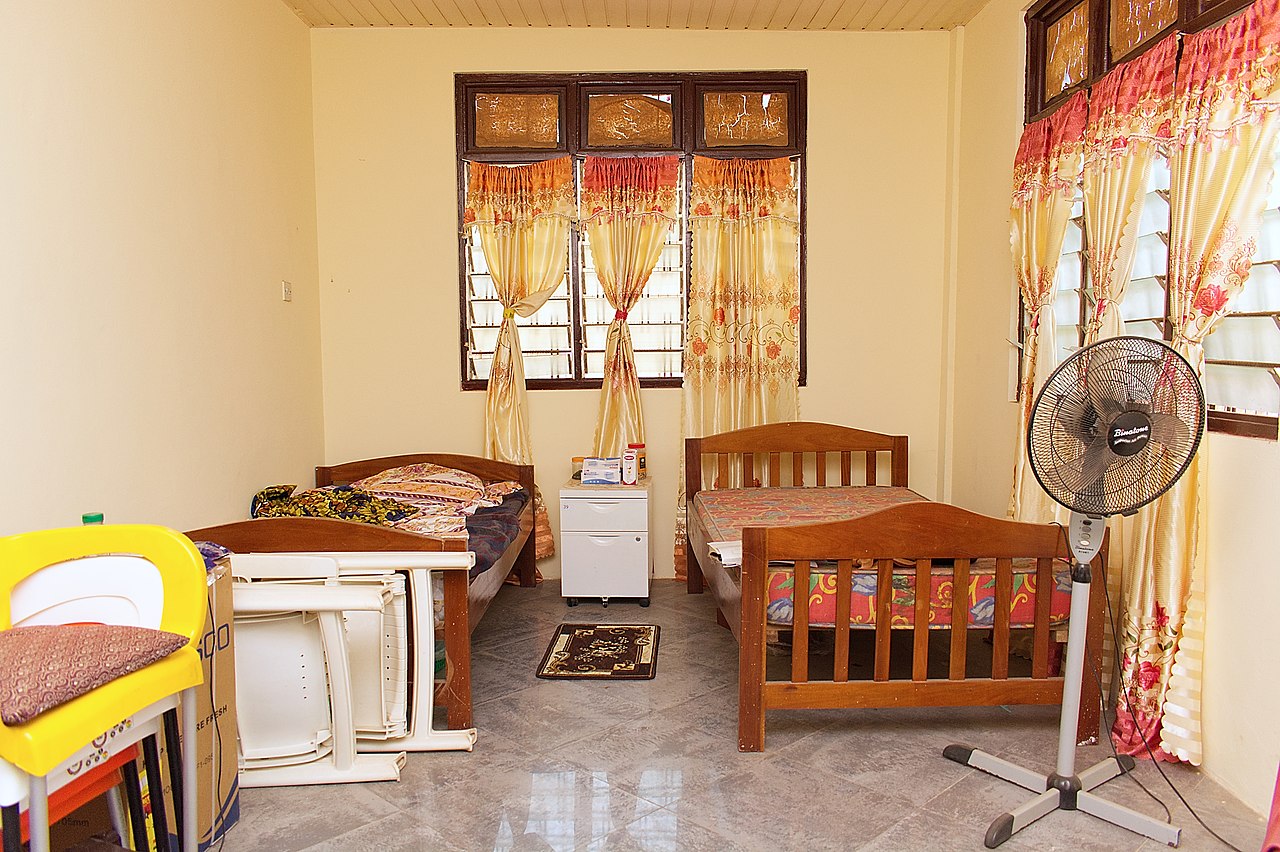
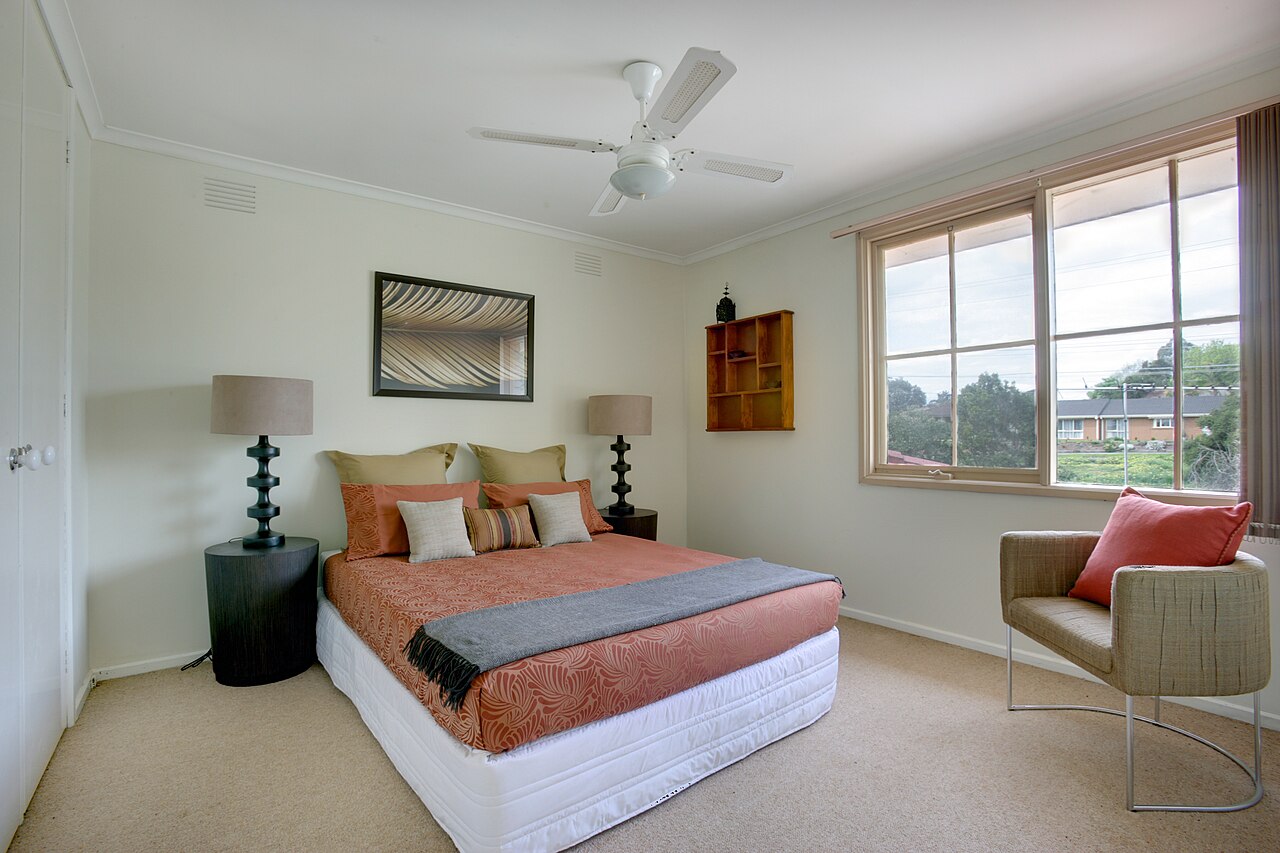
Typical furnishings include a bed with mattress and bedding, one or more nightstands, lighting, and storage such as drawers or a wardrobe. Many dwellings also have a built-in closet for hanging clothes. Placement of furniture, window location and circulation paths influence comfort and usefulness.
Common fixtures and design elements often found in bedrooms:
- Sleeping furniture: bed frame, mattress, headboard.
- Storage: dressers, closets, shelving.
- Lighting: bedside lamps, overhead lights, blackout options.
- Soft furnishings: rugs, curtains, cushions for acoustics and insulation.
Types and notable distinctions
Homes may include several bedrooms with different roles: single bedrooms for one person, double or shared bedrooms, guest rooms, and the largest private suite often called the master bedroom. A master bedroom sometimes features an attached bathroom, commonly referred to as an ensuite. Children's bedrooms, studio-bedroom arrangements and dormitory-style sleeping quarters reflect different social and cultural needs.
History and cultural context
The concept of a room devoted to sleeping has evolved: medieval households used chambers for multiple functions, while later centuries saw specialized private rooms such as boudoirs and bedchambers. Industrialization, changes in household size and privacy norms led to the modern single-purpose bedroom. Cultural practices still influence layout, such as communal sleeping in some regions versus strict separation of private quarters in others.
Uses, importance and practical tips
Beyond rest, bedrooms serve for dressing, storing valuables and sometimes working or reading. Good bedroom design balances ventilation, daylight, sound control and storage. Practical tips include keeping the bed as the focal point, arranging circulation so doors and windows remain accessible, and choosing storage that fits the space.
Quick tips:
- Prioritize mattress comfort and appropriate lighting.
- Use soft textiles to improve acoustics and warmth.
- Plan storage to reduce clutter and maintain easy access.
- Consider safety devices (smoke detectors) and secure locks for privacy.
Understanding these elements helps homeowners, designers and renters create bedrooms that support sleep, privacy and daily routines while reflecting cultural and personal preferences.
Related articles
Author
AlegsaOnline.com Bedroom — function, layout, furniture, and types Leandro Alegsa
URL: https://en.alegsaonline.com/art/10051