
Royal Exhibition Building, Carlton (Melbourne)
Late 19th-century exhibition hall in Carlton, Melbourne. Built for international exhibitions, it hosted the opening of Australia's federal parliament and is a UNESCO World Heritage site still in use.
Overview
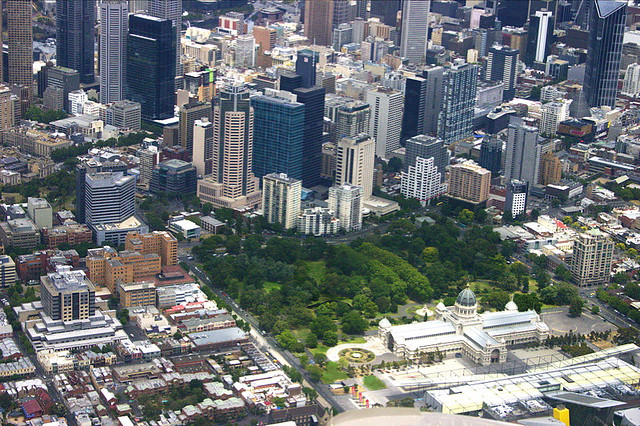
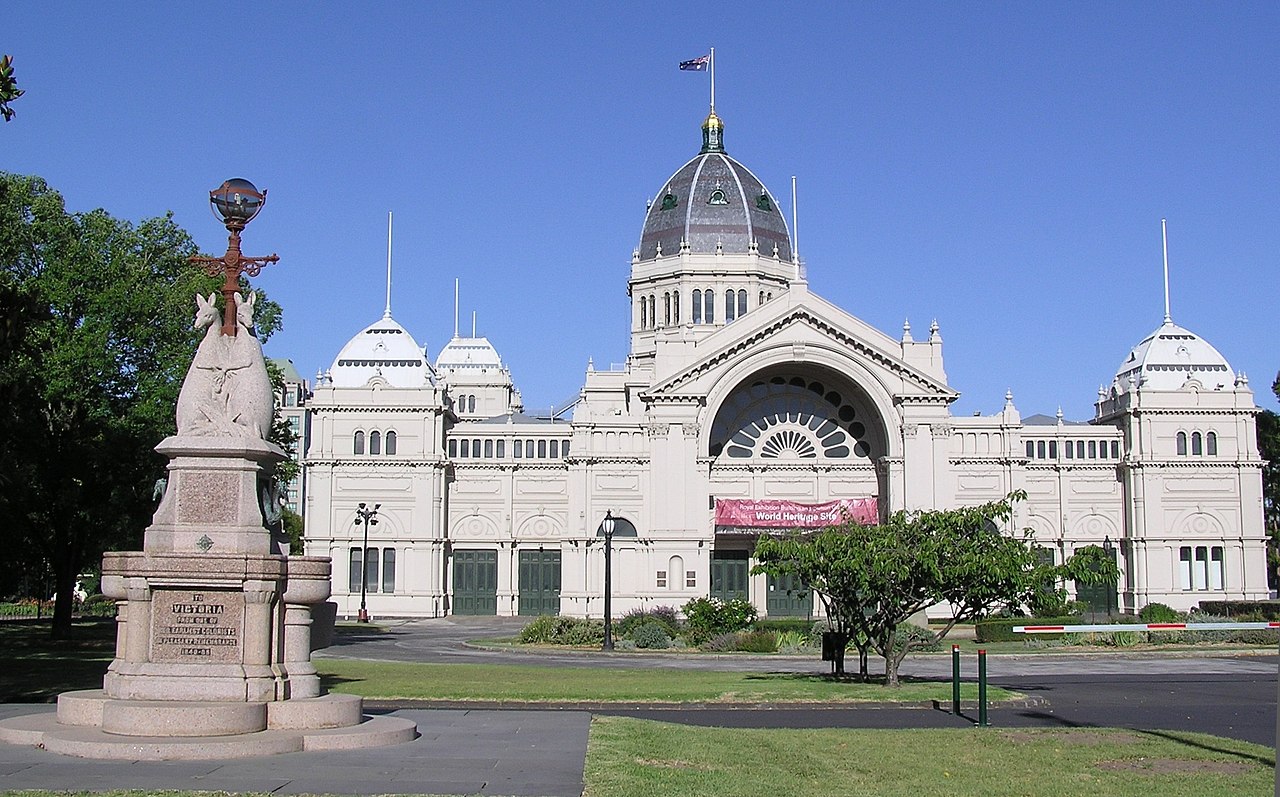
The Royal Exhibition Building stands in the Carlton Gardens precinct of Melbourne, Victoria. Erected for the Melbourne International Exhibition of 1880, it was one of the largest and most ambitious public buildings in Australia at the time. It remains a functioning public hall used for exhibitions, fairs and civic events and is recognised for its rarity as a surviving 19th-century international exhibition hall.
Image gallery
10 Images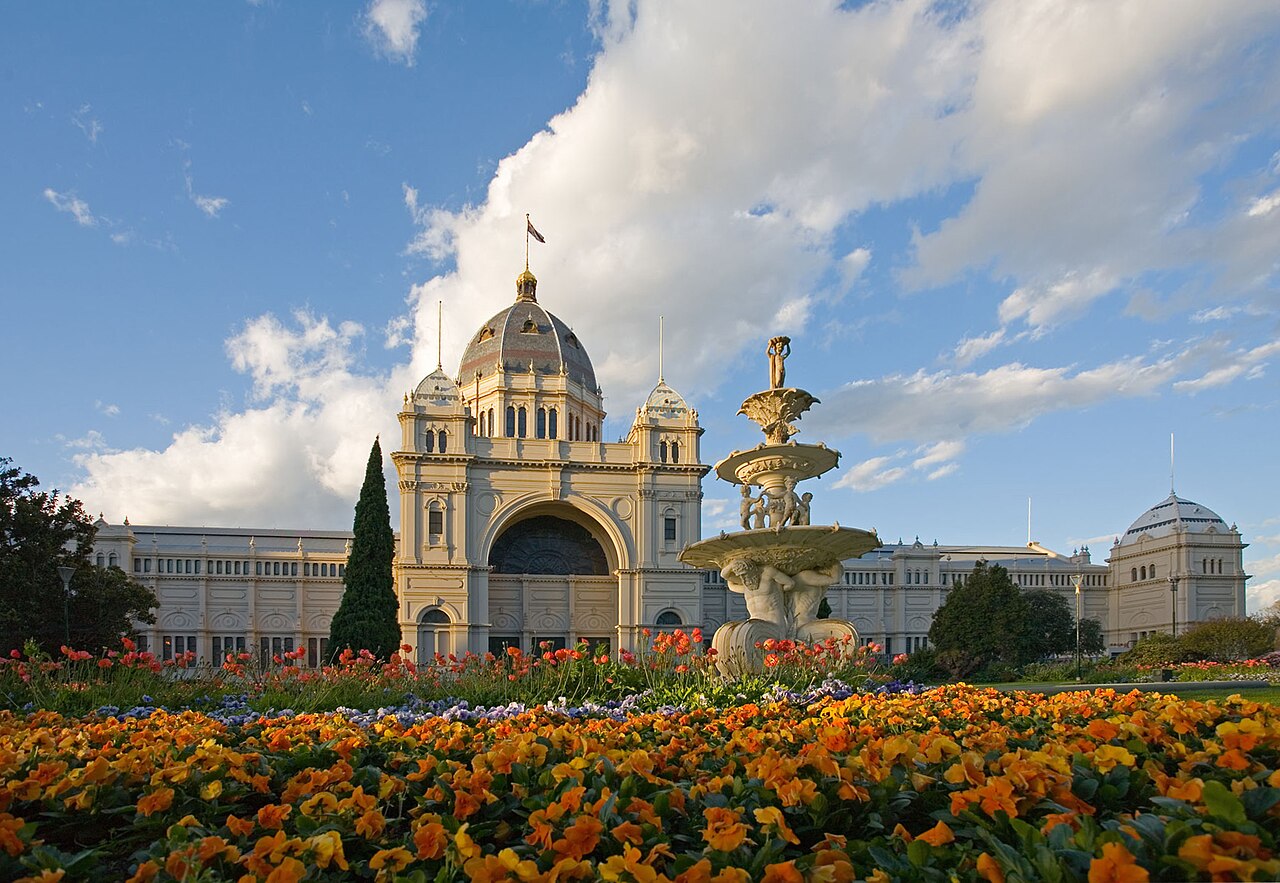




Architecture and layout
Designed in the Victorian era by architect Joseph Reed and his practice, the building combines elements drawn from Renaissance Revival, Byzantine and other 19th-century eclectic styles. Its plan centres on a large nave and a commanding dome, with flanking pavilions and long galleries intended for displays. Constructed mainly of brick, timber and rendered ornament, the complex originally sat within formal gardens that provided promenades and auxiliary structures for visitors.
History and major uses
Completed in 1880, the hall hosted the Melbourne International Exhibition the same year; contemporary accounts record huge visitor numbers relative to the city's population. It later accommodated the Melbourne Centennial Exhibition of 1888. In 1901 the building was the site of the formal opening of the first federal Parliament of Australia. Over the 20th and 21st centuries the venue has been reused for trade shows, cultural festivals, concerts and community events rather than being preserved as a static museum.
Archaeology, conservation and continuing use
Archaeological investigations and conservation projects have been undertaken to understand the site's broader history and to protect the building and its gardens. For example, a 2009 dig in a former service area revealed early garden paths, remnants of garden kiosks and structures that had been built for exhibitions. Conservation work has focused on repairing historic fabric while adapting the interior for modern visitor needs.
Significance and notable facts
- World Heritage designation: The building and Carlton Gardens were inscribed on the UNESCO World Heritage List in recognition of the site's importance in the history of international exhibitions and urban public architecture. See the listing here.
- Rarity: It is often cited as the only major 19th-century international exhibition hall that continues to be used for public events; further reading on exhibition halls is available here.
- Location: The precinct is a prominent inner-city parkland; maps and visitor information can be found here.
- Archaeological finds: Remains from gardens and an octagonal kiosk were uncovered during investigative works; information on these discoveries is linked here.
The Royal Exhibition Building illustrates how large civic architecture of the late 19th century was used to stage international exhibitions that showcased industry, arts and science. Its survival, continued public use and conservation make it a notable example of cultural heritage management in an urban setting.
Related articles
Author
AlegsaOnline.com Royal Exhibition Building, Carlton (Melbourne) Leandro Alegsa
URL: https://en.alegsaonline.com/art/84453
Sources
- museumvictoria.com.au : "Royal Exhibition Building: The Building"