
Sacred architecture: design and meaning of religious buildings
Sacred architecture studies the form, function and symbolism of buildings for worship—churches, mosques, temples, synagogues and stupas—tracing their history, elements and role in ritual and community life.
Overview
Sacred architecture, also called religious architecture, refers to the design and construction of buildings intended primarily for worship and ritual. These structures—ranging from large pilgrimage complexes to small local shrines—express beliefs through shape, material, orientation and ornament. They often serve as focal points for community identity, ceremony, and the transmission of religious narratives.
Image gallery
10 Images


Common characteristics
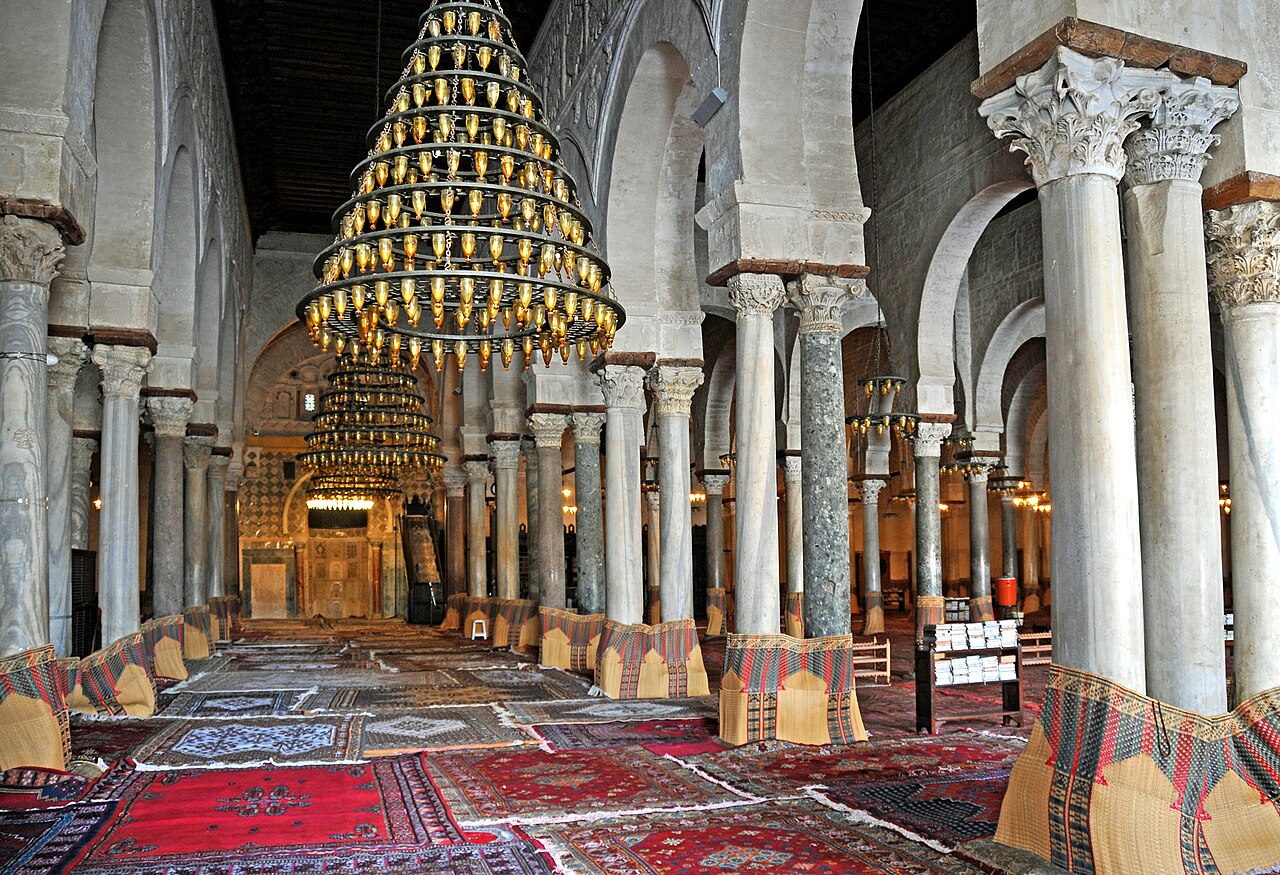
Although styles vary widely, sacred buildings share several practical and symbolic features. Architects and patrons consider circulation for processions, acoustics for congregational prayer or chanting, and visual axes that highlight altars or relics. Symbolism appears in plan, light, and decoration: axial layouts, domes or towers that gesture toward the heavens, and iconography that encodes doctrine.
Types and parts
- Places of worship such as parish churches, neighborhood mosques, Buddhist stupas, Hindu temples and synagogues.
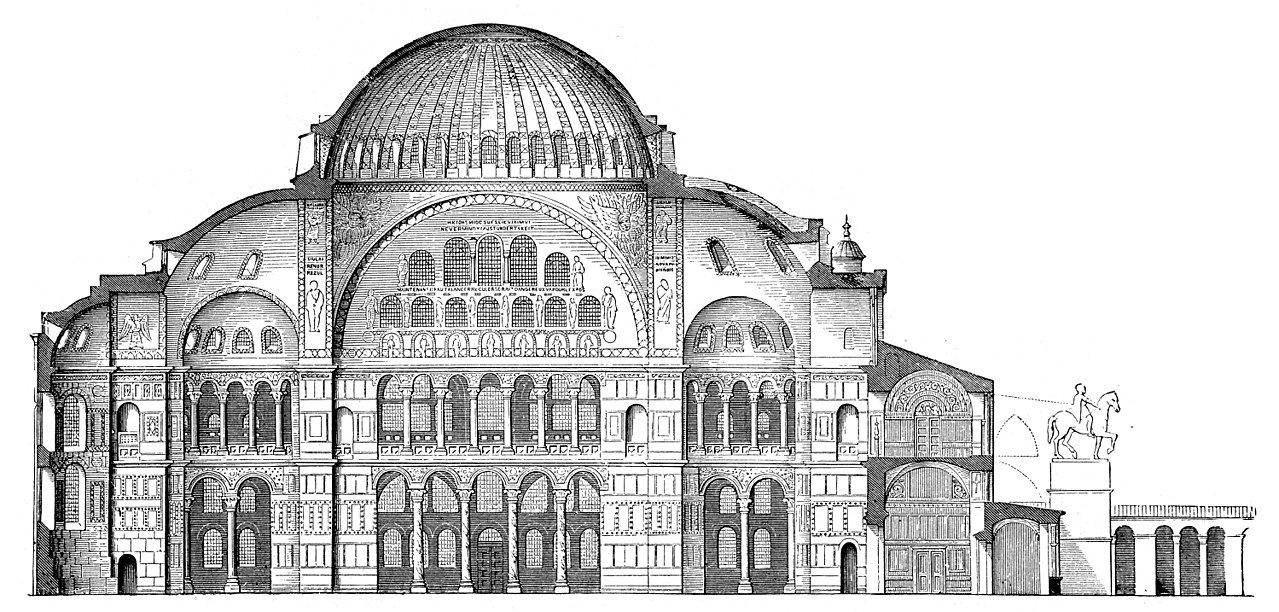
- Architectural elements like naves, mihrabs, garbhagriha (sanctum), domes, courtyards and bell towers.
- Supporting spaces: cloisters, meeting halls, libraries and pilgrimage accommodations.
History and development
Religious architecture evolves with changing liturgies, technologies and socio-political contexts. Early sacred sites often adapted domestic or civic forms; over centuries, innovations such as vaulted stone roofs, pendentives for domes and new construction materials allowed larger, more expressive volumes. Cross-cultural exchange—through trade, conquest and pilgrimage—spread motifs and structural solutions.
Function and cultural importance
Sacred buildings organize ritual actions, mark sacred time and provide a stage for communal memory. They can assert religious authority, accommodate social services, and become artistic repositories. Conservation and adaptive reuse of these buildings raise questions about preserving intangible values along with physical fabric.
Further reading and examples
To explore specific forms, consult overviews of places of worship and studies on particular types such as churches, synagogues and temples. Comparative study highlights how divergent styles fulfill similar ritual needs while reflecting distinct cosmologies and histories.
See also
- Category:List (sacral sites)
Related articles
Author
AlegsaOnline.com Sacred architecture: design and meaning of religious buildings Leandro Alegsa
URL: https://en.alegsaonline.com/art/85154