
Rose window
A circular, often stained-glass architectural window common in medieval churches, notable for radial tracery and symbolic imagery; developed from Romanesque oculi into the elaborate Gothic rose.
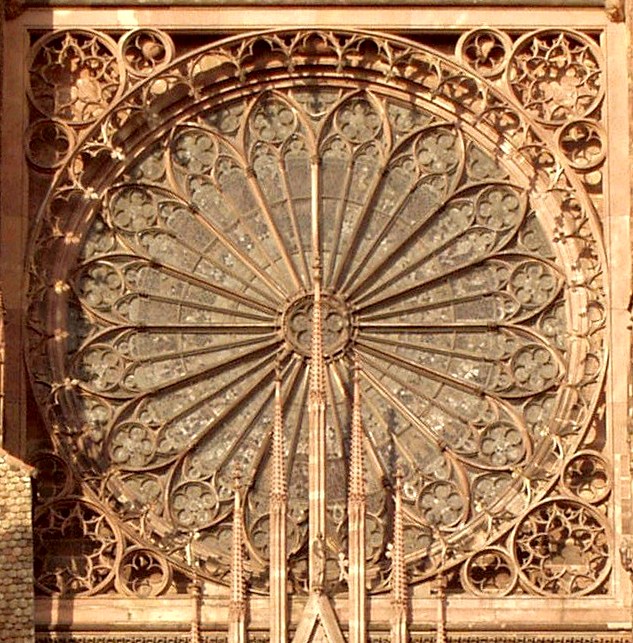
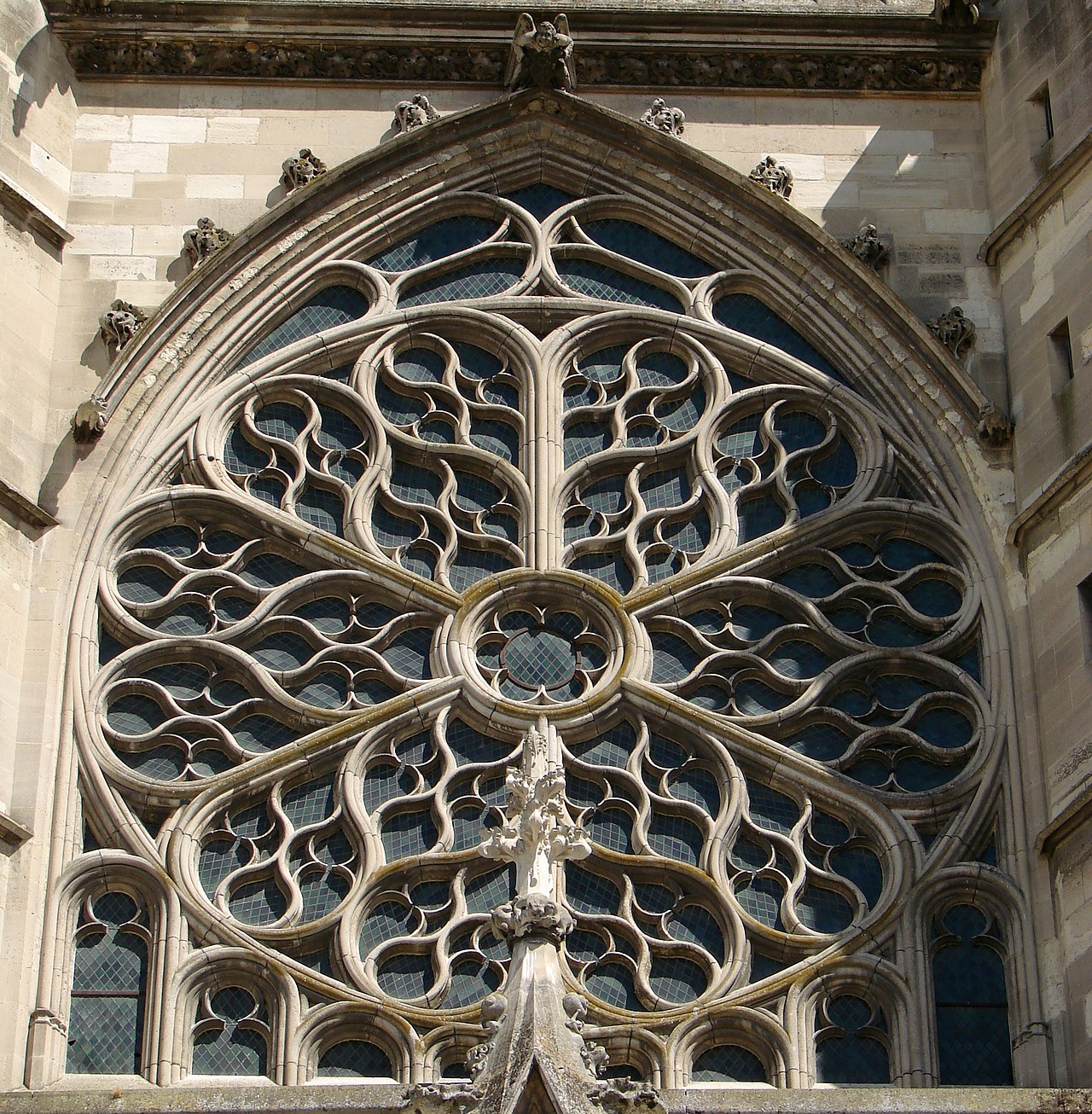
The rose window is a large circular window often filled with stained glass and ornate stonework. Its name derives from the visual similarity between the window's radiating pattern and the concentric petals of a flower. In architecture the term frequently refers to the prominent round windows found above the entrances or on the facades of medieval churches and cathedrals.
Image gallery
10 Images




Form and components
Rose windows combine glass, metal, and stone tracery to form a radial composition. Key elements include:
- Central oculus: a small round opening or focal pane at the centre.
- Tracery: the stone ribs or mullions that divide the circle into lobes and lights. Tracery evolved from simple plate-style openings to complex bar tracery capable of supporting large glass panels.
- Lights: individual glass segments that together create figurative or geometric designs.
- Surrounding frame and tympanum: the masonry that anchors the window to the wall and often carries sculptural decoration.

History and development
Circular windows existed in earlier traditions, but the characteristic multi-lobed rose became prominent during the Gothic period as advances in vaulting and structural engineering allowed larger openings. From the 12th through the 14th centuries, builders used increasingly refined tracery to achieve both structural support and pictorial complexity. Later revivals and restorations in subsequent centuries have preserved and sometimes reinterpreted the format.

Symbolism, function, and examples
Rose windows serve practical and symbolic roles. Illuminated glass admitted light and color into church interiors while the imagery—biblical scenes, saints, or abstract patterns—taught stories and expressed theological ideas. The circular form often carried symbolic associations with eternity and unity; in some contexts it echoed Marian symbolism or cosmic order.
- Famous medieval examples can be seen at major Gothic cathedrals, where they anchor façades or transepts.
- They appear in a variety of styles, from simpler Romanesque wheel windows to the high Gothic rayonnant and flamboyant modes.
Distinctions and modern use
Terminology varies: a simple round opening may be called an oculus or wheel window, while a richly detailed composition is typically called a rose. Modern architects and stained-glass artists continue to adopt the form for both religious and secular buildings, drawing on its combination of geometry, light, and narrative potential. For further general reference about circular windows and floral motifs see round window and the idea of rose petals in ornamentation.
Related articles
Author
AlegsaOnline.com Rose window Leandro Alegsa
URL: https://en.alegsaonline.com/art/84155