
Baker Island — U.S. coral atoll and national wildlife refuge
Baker Island is an uninhabited coral atoll just north of the equator in the central Pacific, administered by the United States as a wildlife refuge and part of the Pacific Remote Islands Marine National Monument.
Overview
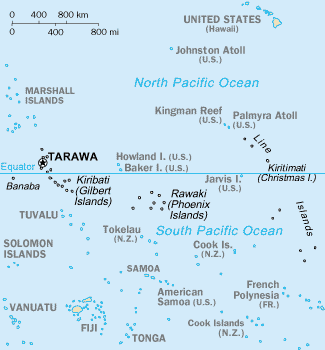
Baker Island is a small, low-lying coral island in the central North Pacific, located just north of the equator. It is uninhabited and administered by the United States Department of the Interior as the Baker Island National Wildlife Refuge. The atoll is part of the U.S. Minor Outlying Islands and lies in an isolated region of ocean where the surrounding reef makes landing by boat difficult.
Image gallery
10 Images




Geography and natural features
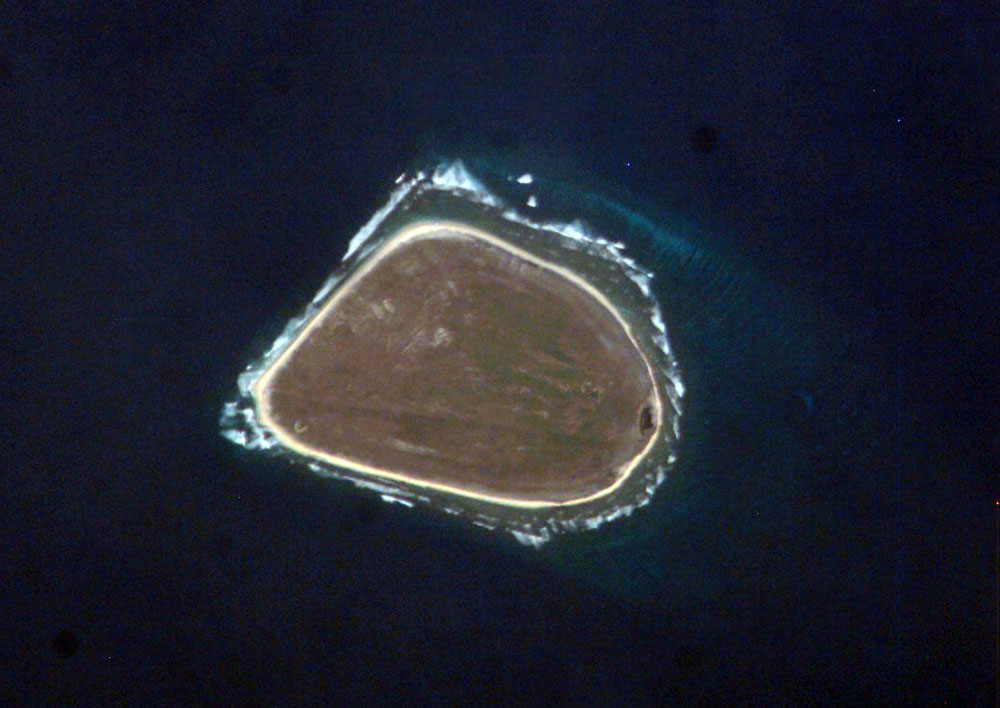
The island consists of coral and sand with little elevation and no permanent freshwater sources. Vegetation is sparse and there are no trees; salt-tolerant shrubs, grasses and coastal plants survive in the thin soils. A continuous fringing coral reef encircles much of the island, protecting shallow reef flats and small tidal pools that support marine life. The surrounding waters and reefs provide habitat for seabirds, marine turtles and a variety of reef fishes.
History and human use
Western contact with Baker Island dates from the 19th century. The island was once claimed under the Guano Islands Act and guano mining took place in the late 1800s and early 1900s. Since then the island has seen only intermittent human presence: occasional scientific, conservation and military visits rather than permanent settlement. In modern times it is valued primarily for its ecological role rather than for resource use.
Conservation and administration
Baker Island is administered as a national wildlife refuge and is included within the Pacific Remote Islands Marine National Monument. Management focuses on protecting nesting seabirds, marine turtles and reef habitats, and on limiting disturbance by humans. Access is restricted and visits are usually limited to authorized researchers and government personnel.
Practical considerations and notable facts
Approach by small boat is hazardous because of the surrounding reef; there are no docks or sheltered harbors. The island's isolation, lack of freshwater and exposure to tropical weather make it unsuitable for habitation. Its conservation value stems from relatively intact reef ecosystems and important nesting sites for seabirds and turtles.
Further information
- Geography and geology reference
- Location and mapping resources
- Atoll and reef descriptions
- Regional oceanographic context
- Equatorial position and climate notes
- U.S. territorial status and classifications
- Department of the Interior administration
- Coral reef ecology overview
- Access and navigation considerations
Related articles
Author
AlegsaOnline.com Baker Island — U.S. coral atoll and national wildlife refuge Leandro Alegsa
URL: https://en.alegsaonline.com/art/8401
Sources
- cia.gov : "Baker Island" at CIA World Factbook