
Baku Zoo (Bakı zooloji parkı)
State zoo in Baku, Azerbaijan. Founded in 1928, it is the country’s oldest zoo and houses over 1,200 animals of more than 160 species on 4.25 hectares; plans exist for a larger replacement facility.
Overview
Baku Zoo, known in Azerbaijani as Bakı zooloji parkı, is a state-run zoological garden in Baku. Officially administered as a public institution (state zoo), it is widely recognised as the oldest zoo in Azerbaijan. The facility combines animal exhibits, public education, and basic veterinary care on a compact urban site.
Image gallery
10 Images




History and governance
The zoo opened in 1928 in what was then Lunacharski Park and was relocated to its present site in 1942. It operates under the joint oversight of the Ministry of Culture and Tourism and the Municipality of Baku. Over the decades the institution has evolved from a small city collection into a larger civic attraction, adapting enclosures and services as standards and expectations changed.
Collection and facilities
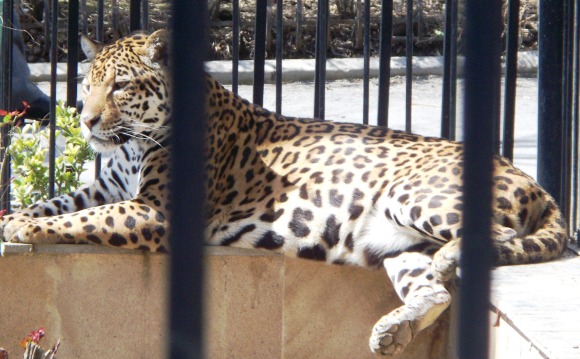
The zoo occupies about 4.25 hectares (10.5 acres) and currently hosts more than 1,200 animals representing over 160 species. Exhibits are arranged to provide visitors with opportunities to see a variety of mammals, birds and reptiles, while on-site facilities include basic animal houses, quarantine and medical care areas, and visitor pathways.
Role and public importance
Baku Zoo serves several civic roles: a recreational destination for residents and tourists, a local centre for informal education about wildlife and ecology, and a facility for routine animal husbandry and veterinary practice. Like many urban zoos, it balances public display with animal welfare responsibilities and periodic infrastructure updates.
Future plans
Authorities have announced plans to replace the present site with a new, larger zoological complex near Güzdək on the Absheron Peninsula. The proposed relocation aims to provide animals with more naturalistic enclosures and expanded space, reflecting contemporary trends in zoo design that emphasise ecological settings, improved welfare and enhanced visitor experiences.
- Founded: 1928 (original site in Lunacharski Park)
- Current area: approximately 4.25 hectares
- Collection size: over 1,200 animals, more than 160 species
- Governance: Ministry of Culture and Tourism and the Municipality
For further institutional or visitor information consult local cultural resources or the municipal pages linked above.
Questions and answers
Q: What is Baku Zoo?
A: Baku Zoo is a state zoo in Baku, Azerbaijan.
Q: How old is Baku Zoo?
A: Baku Zoo is the oldest zoo in Azerbaijan and was opened in 1928.
Q: Where was Baku Zoo located when it first opened?
A: When it first opened in 1928, Baku Zoo was located in Lunacharski Park.
Q: Who does Baku Zoo belong to?
A: Baku Zoo belongs to the Ministry of Culture and Tourism of Azerbaijan and to the Municipality of Baku city.
Q: How many animals are currently living in Baku Zoo?
A: Baku Zoo is currently home to over 1,200 animals from more than 160 species.
Q: Where will the new zoo in Azerbaijan be located?
A: The new, larger zoo in Azerbaijan will be located near Güzdək on the Absheron Peninsula.
Q: What is unique about the new zoo in comparison to Baku Zoo?
A: The new zoo will house the animals in their natural surroundings while Baku Zoo does not.
Related articles
Author
AlegsaOnline.com Baku Zoo (Bakı zooloji parkı) Leandro Alegsa
URL: https://en.alegsaonline.com/art/8424
Sources
- azerbaijans.com : "Azerbaijan"
- day.az : В бакинском зоопарке будет увеличена площадь вольеров для хищников
- vyshka.azeurotel.com : Запарка вокруг зоопарка
- teas.eu : "New zoo for Baku"