
Bakelite: the first synthetic thermosetting plastic
Bakelite is an early phenol–formaldehyde thermosetting resin invented in 1907. Known for heat resistance and electrical insulation, it shaped early electrical, industrial and decorative applications and remains a collectible.
Overview
Bakelite is an early fully synthetic plastic — a hard, crosslinked phenol–formaldehyde polymer — first brought into practical use in the early 20th century. It is often described as the first commercial synthetic thermosetting resin and was widely promoted for mechanical and electrical parts because of its stability, strength and low electrical conductivity. For background on plastics in general see plastic.
Image gallery
10 Images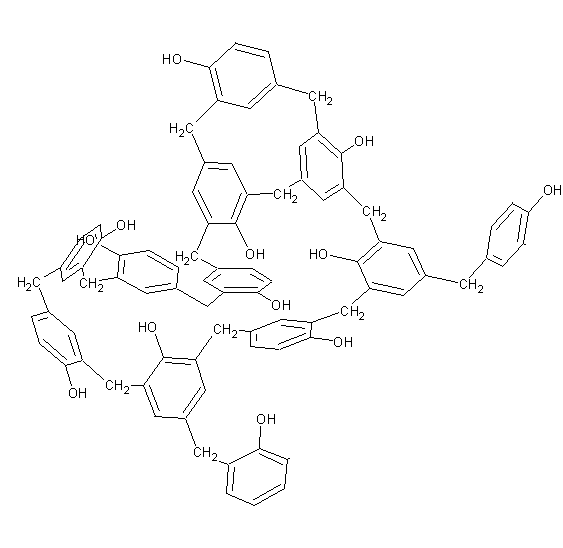


Properties and production
Chemically, Bakelite is produced by the reaction of phenol and formaldehyde in a controlled condensation process. The reaction can be described in technical literature as a condensation reaction that forms a densely crosslinked polymer network. The starting monomers are the aromatic compound phenol and the simple aldehyde formaldehyde. Under heat and pressure, the resin cures into an infusible, insoluble material: a thermoset that cannot be remelted into new shapes.
History and inventor
Bakelite was developed in 1907 by Belgian-born chemist Leo Baekeland, building on earlier experiments with phenolic resins. Baekeland established manufacturing methods and commercialized the material, giving it the trade name that became generic. His nationality and background are often noted in historical summaries; see a short note on his origins at Belgian chemist.
Common uses and cultural impact
Because Bakelite resists heat and does not conduct electricity, it found immediate use for electrical insulators and housings for radios, telephones and other appliances. It was widely used for consumer items and small molded goods, including kitchenware, jewelry, pipe stems and toys. Examples of such uses are documented in sources on industrial design and antiques; see items like electrical insulators and household objects produced in the period.
- Electrical and radio components
- Cabinet and instrument housings
- Decorative items and costume jewelry
- Practical goods: handles, buttons, kitchenware, and some children’s playthings (children's toys)
Decline, legacy and collectibility
By the mid-20th century Bakelite was largely superseded by newer thermoplastics and synthetic polymers that offered greater toughness, color range and ease of processing. However, Bakelite objects remain sought after by collectors for their historical importance, characteristic warm finish and period style. A notable variant, often marketed under trade names, allowed brighter colors and marbling for decorative pieces.
Identification, care and modern considerations
Collectors and conservators identify Bakelite by its feel, density and the way it ages: many pieces darken over time and develop a smooth, slightly oxidized surface. Because it is a thermoset, Bakelite cannot be reshaped by reheating; repairs and cleaning should be done carefully to avoid damaging the cured polymer. The material’s historical manufacture involved formaldehyde, so handling vintage items with usual precautions is sensible. For further technical or conservation guidance consult specialized sources and material safety references.
Related articles
Author
AlegsaOnline.com Bakelite: the first synthetic thermosetting plastic Leandro Alegsa
URL: https://en.alegsaonline.com/art/8396