
Toy: objects for play, learning, and leisure
An overview of toys: definitions, common materials and types, brief history, uses in development and leisure, and safety and cultural notes.
Overview
A toy is any object designed or used for play. Toys are most commonly associated with children, but they are also enjoyed by adults as hobbies or collectibles and by animals in enrichment contexts. The concept of a toy covers simple items such as a ball or a stick, more complex mechanical devices, electronic gadgets, and products made for intimate adult use (sex-related products). Some people also treat digital entertainment like video games as toys because they provide play and leisure.
Image gallery
10 Images




Materials and common types
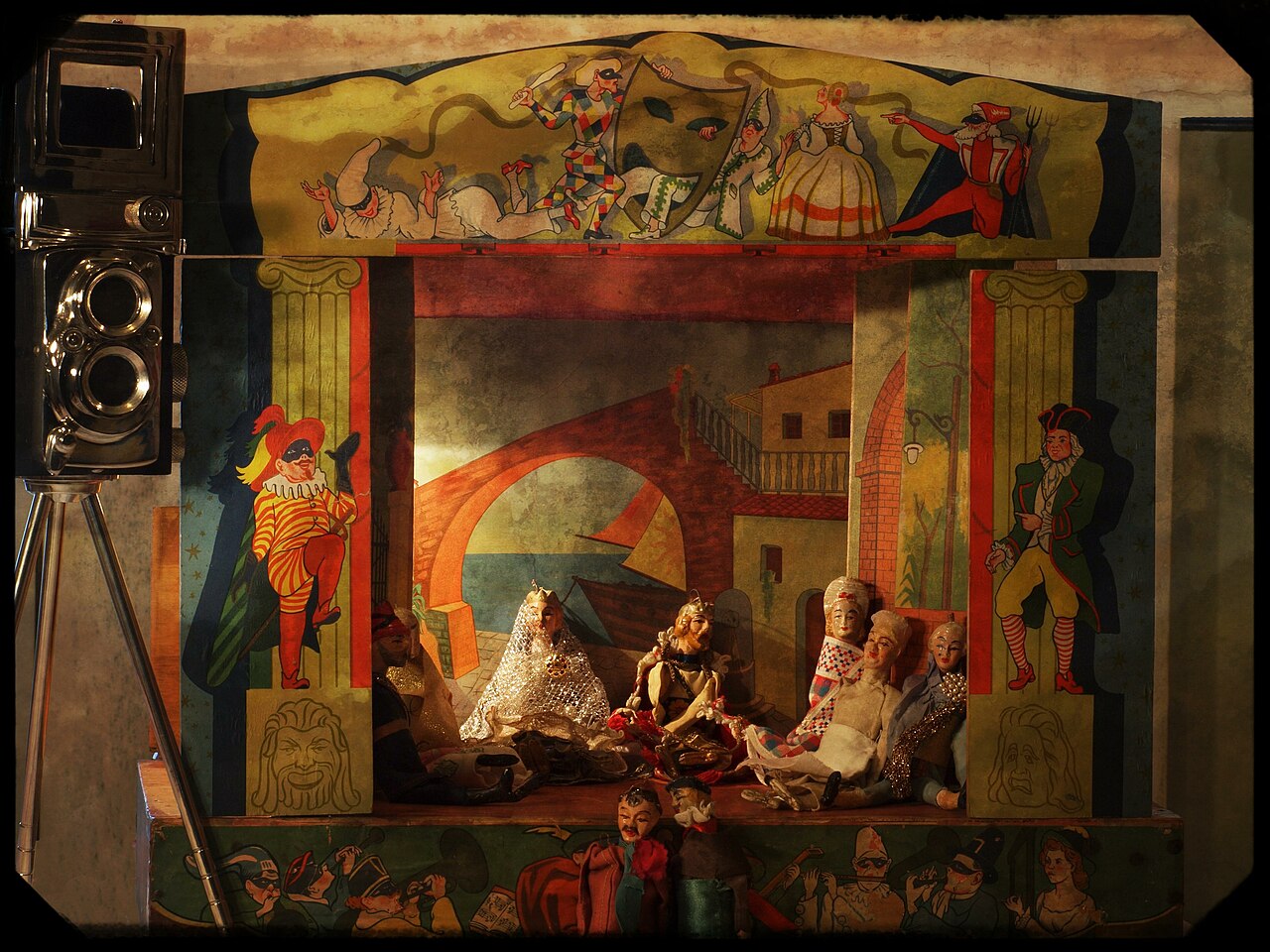
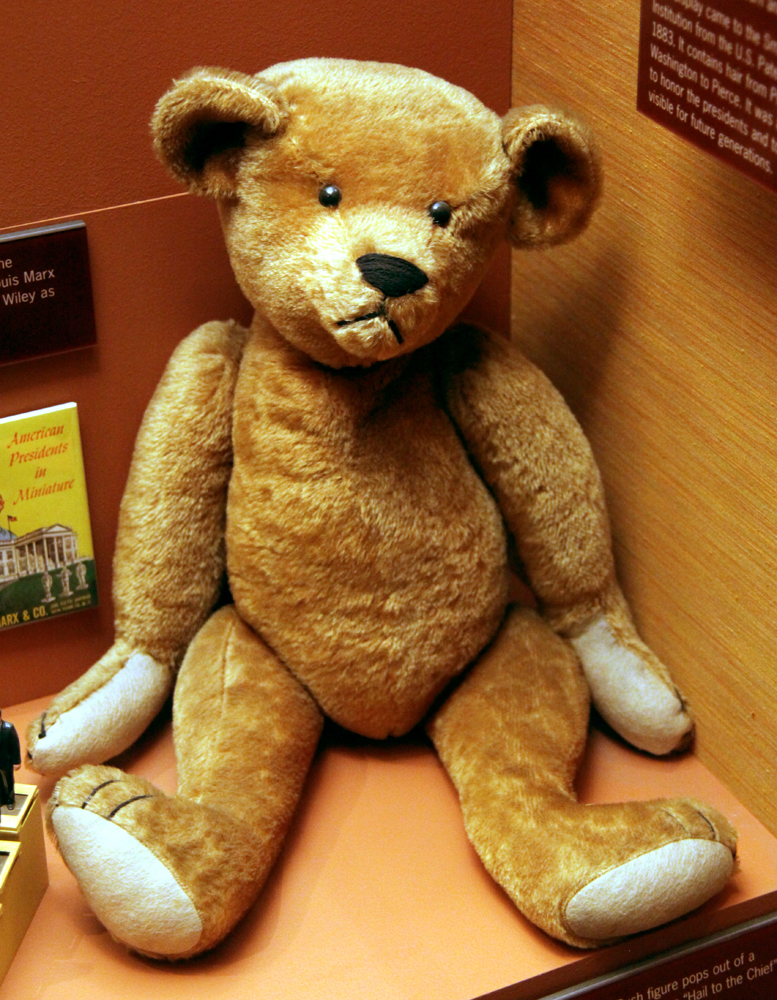
Toys have been made from many materials. Prior to the mid-20th century, common materials included metal and wood. From the 1950s onward, mass-produced plastic became dominant, and later generations added electronic components for sound, movement, or connectivity. Examples of familiar toy types are balls (ball), toy cars and figurines, and dolls (dolls). Traditional or historical toys include items made of terracotta and simple playthings such as yo-yos.
History and origins
Toys appear throughout the archaeological record. Clay and carved figures, miniature tools, and small models of animals have been recovered from ancient settlements. In Ancient Egypt children played with dolls and small models; in societies such as Ancient Greece and Ancient Rome children used wax or terracotta dolls, bows and arrows, and other play items. Archaeological finds demonstrate that play objects fulfilled both recreational and ritual roles in many cultures. The English word "toy" first appears in medieval sources, though its exact linguistic origin is unclear.
Uses, development, and cultural roles
Toys serve multiple purposes. For infants and children they are tools for physical coordination, language and social development, imagination, and problem solving. Educational toys and puzzles are specifically designed to develop cognitive skills, while role-play items support social learning. For adults, toys can be collectibles, scale models, or hobbyist kits; the same object may have different meanings across ages. In zoos and shelters, simple play objects are used to provide animal enrichment and encourage natural behaviors.
Categories and examples
- Active and outdoor toys: balls, flying discs, ride-on toys (ball, small vehicles).
- Constructive play: blocks, building sets and tool-like toys that develop fine motor skills.
- Pretend and role play: dolls, action figures, play kitchens (dolls).
- Mechanical and electronic: wind-up toys, battery-operated figures and connected devices (electronic).
- Traditional and cultural toys: spinning tops, terracotta figures, yo-yos and folk playthings (terracotta).
Safety, regulation, and notable facts
Toy safety is an important consideration: small parts, toxic materials, sharp edges, and flammable components are common concerns. Many countries maintain standards and testing regimes to limit hazards. Over time, manufacturing shifts—from metal and wood to plastic and electronic materials—have changed the risk profile and the kinds of regulations needed. Collecting, restoration, and historical study of toys are active areas for museums and enthusiasts, who examine toys as reflections of technology, culture, and childhood across eras.
For further reading about play, childhood and material culture consult general resources on leisure, education and archaeology; specialized topics include electronic toy design and animal enrichment programs. Manufacturers, retailers and guardians should balance educational value, durability and safety when choosing toys.
Play • Children • Adults • Animals • Metal • Wood • Plastic • Electronic • Video games • Balls • Dolls • Adult toys • Ancient Greece • Ancient Rome • Terracotta • Yo-yos
Questions and answers
Q: What materials are toys usually made of?
A: Toys are usually made of plastic, electronic material, and sometimes metal and wood.
Q: When did the word "toy" first appear?
A: The origin of the word "toy" is not known for certain, but it is thought to have been used in the 14th century.
Q: What were some of the earliest toys made from?
A: The earliest toys were made from rocks, sticks or clay.
Q: What types of toys can be found in archaeological places?
A: Dolls of infants, animals, soldiers and toy tools can be found in archaeological places.
Q: How were developmental games used in Ancient Greece and Rome?
A: In Ancient Greece and Rome, children played with dolls made of wax or terracotta, sticks, bows and arrows, and yo-yos which were considered developmental games.
Q: Are video games considered toys?
A: Some people consider video games to be a type of toy.
Q: What was required when Greek girls became adults?
A: When Greek girls became adults they were required to sacrifice their toys to the gods on the eve of their wedding as a rite of passage into adulthood.
Author
AlegsaOnline.com Toy: objects for play, learning, and leisure Leandro Alegsa
URL: https://en.alegsaonline.com/art/100958
Sources
- etymonline.com : Definition of "toy" from etymonline.com
- gutenberg.org : Manual of Egyptian Archaeology and Guide to the Study of Antiquities in Egypt
- ezplaytoys.com : "Indoor playsets for homes"
- spintastics.com : "History Of The Yo-Yo"