
Barium oxide (BaO): properties, preparation, uses, and safety
Barium oxide (BaO) is a white ionic solid of barium and oxide ions. It is a basic, refractory oxide used in glass, ceramics, catalysis and cathode coatings. Soluble barium compounds are toxic; handle with care.
Barium oxide, commonly written as BaO, is an ionic inorganic compound composed of barium cations (Ba2+) and oxide anions (O2-). It forms a white, crystalline solid with a dense, rock-salt-like lattice and behaves as a basic oxide. For a general overview of the compound see barium oxide.
Image gallery
3 Images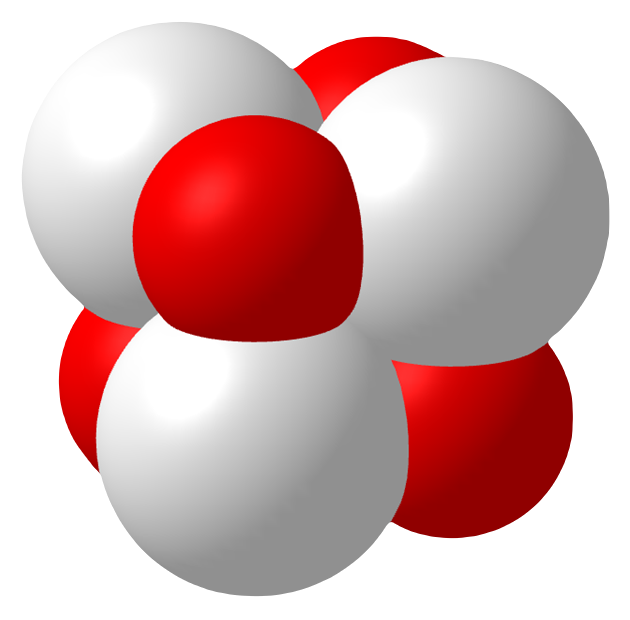
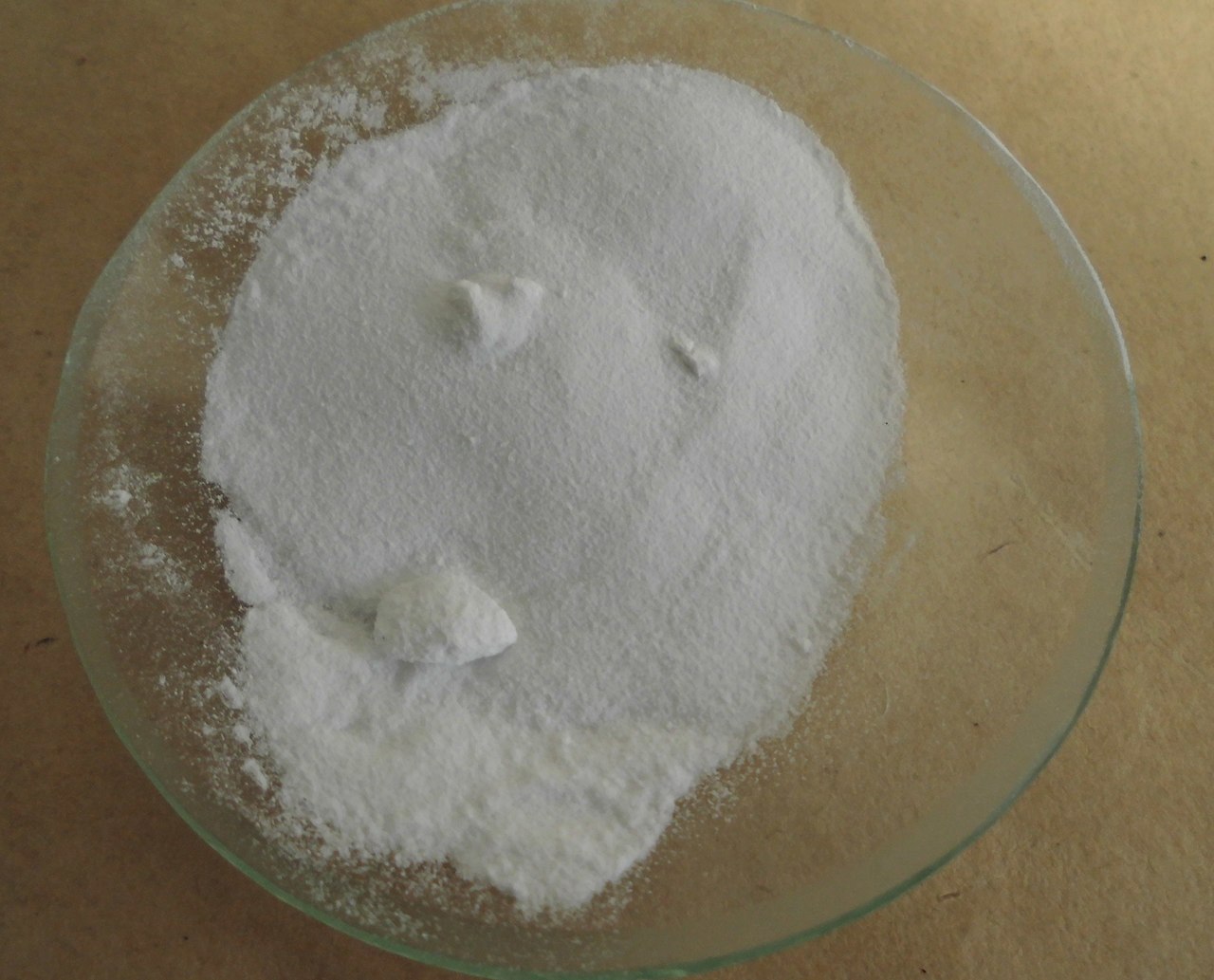

Physical and chemical characteristics
BaO is refractory and has a high melting point. It readily reacts with water to form barium hydroxide and with carbon dioxide to regenerate barium carbonate, illustrating its basic, oxide-like behavior. In many contexts its properties are discussed alongside the properties of elemental barium and other alkaline-earth oxides such as magnesium and calcium oxides. The oxide anion chemistry is central to BaO's reactivity (oxide chemistry).
Preparation and common reactions
Industrial and laboratory production usually involves heating barium carbonate or barium hydroxide to drive off carbon dioxide or water, respectively. Barium peroxide (BaO2) can decompose to BaO and oxygen under heat, a reversible relationship used historically in oxygen-generation chemistry. Representative reactions include:
- Thermal decomposition: BaCO3 → BaO + CO2
- Hydration: BaO + H2O → Ba(OH)2
- Carbonation: BaO + CO2 → BaCO3
Uses and practical importance
BaO is used as a raw material for preparing other barium compounds and finds applications in glass and ceramic manufacture to increase refractive index and chemical durability. It is employed in electronic devices as a component of cathode coatings and getters, and as a catalyst or catalyst support in some chemical processes. Its oxygen-absorbing and basic properties make it useful in select metallurgical and laboratory roles; for general reference see technical literature.
Safety, handling, and distinctions
Soluble barium species are toxic because they disrupt biological ion channels; BaO reacts with moisture to form soluble, toxic barium hydroxide, so it must be handled with gloves and eye protection and stored dry. BaO differs from barium peroxide (BaO2) and barium carbonate (BaCO3) in oxygen content and reactivity: BaO is the basic oxide, BaO2 contains peroxide ions and releases oxygen on decomposition, while BaCO3 is the stable carbonate formed on exposure to CO2.
Related articles
Author
AlegsaOnline.com Barium oxide (BaO): properties, preparation, uses, and safety Leandro Alegsa
URL: https://en.alegsaonline.com/art/9000