
Baird's tapir (Tapirus bairdii)
Baird's tapir is a large, forest-dwelling herbivore native to Central America and parts of northern South America. It is a key seed disperser and is threatened by habitat loss and hunting.
Overview
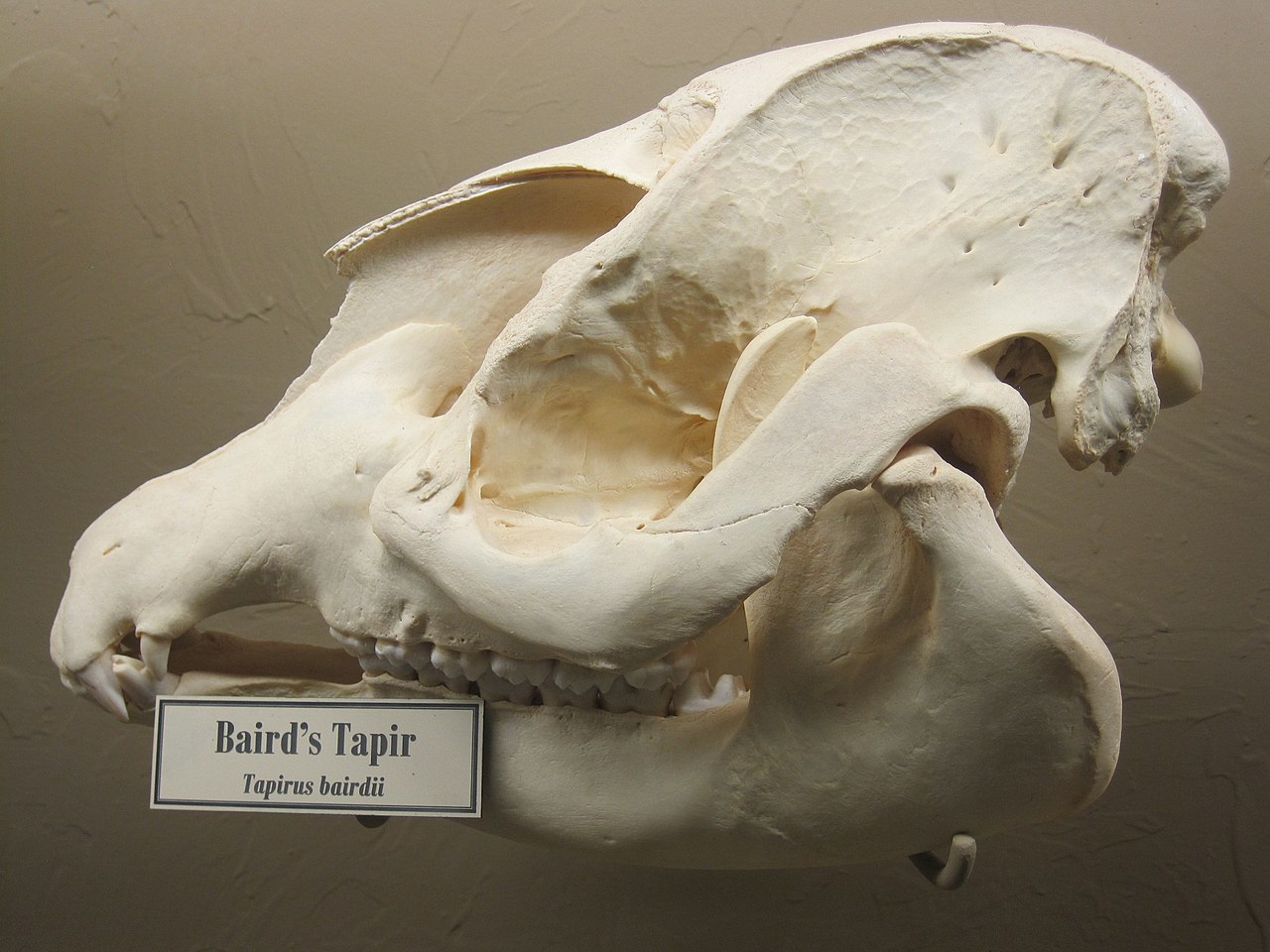
Baird's tapir (Tapirus bairdii) is a large, hoofed mammal of the tapir family and one of the four Neotropical tapir species. Often called a living relic because of its ancient lineage, this heavy-bodied browser has a short, flexible proboscis that it uses to grasp leaves, fruit and aquatic vegetation. It occupies a range of forested environments from lowland rainforest to montane cloud forest and riparian corridors, and plays an important ecological role as a seed disperser.
Image gallery
7 Images


Appearance and behavior
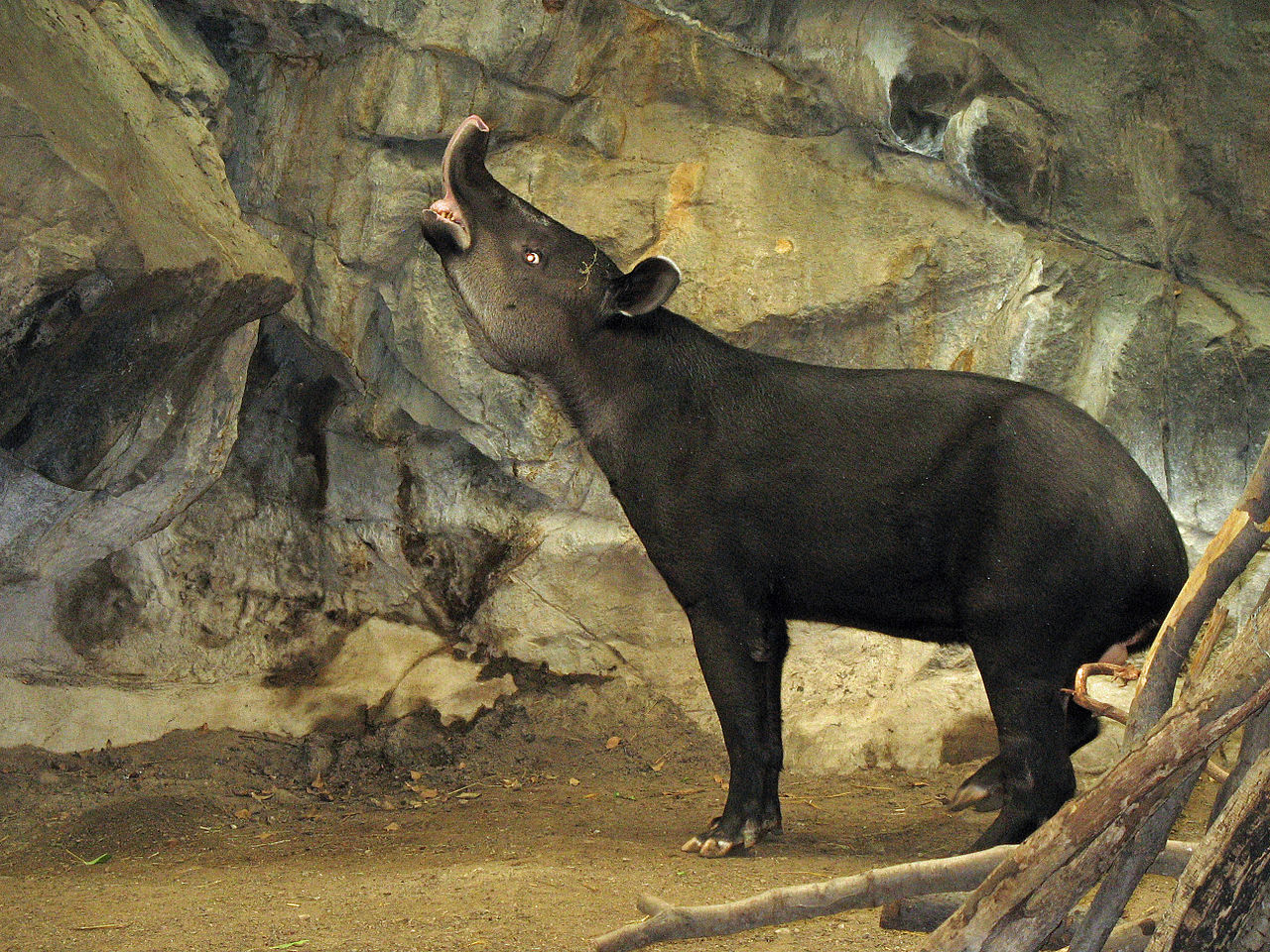
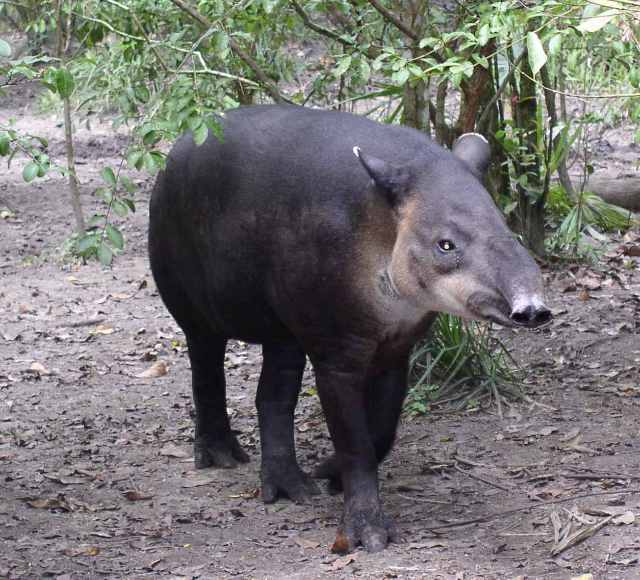
Adults are bulky with short limbs, small eyes, rounded ears and a mobile snout formed by the upper lip and nose. Fur coloration varies from dark brown to nearly black and may lighten with age. Baird's tapirs are primarily solitary or found in small family groups; they are often crepuscular and nocturnal in areas disturbed by people. Strong swimmers, they frequently use water to feed, cool off and evade predators.
Range and habitat
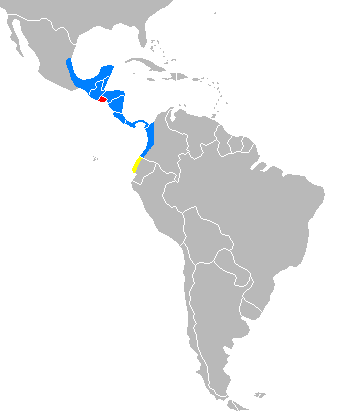
The species occurs across much of Central America and into parts of northern South America. Wild populations have been recorded in several countries with suitable forested habitat, including:
Individuals have been observed at elevations up to about 3,350 metres, showing the species can occupy both lowland and montane forests where cover and water are available.
Diet and ecological role
Baird's tapir is herbivorous, browsing on leaves, shoots, fruit and other plant parts. By consuming fruit and defecating seeds across its movements, it helps maintain plant diversity and aids forest regeneration. Because it requires relatively large, connected tracts of habitat and reliable water, the tapir is often considered an indicator of ecosystem health.
Conservation and threats
Populations have declined across much of the range due to habitat destruction and fragmentation, hunting for meat, road collisions and growing human pressures. Conservation efforts focus on protecting and restoring forest corridors, enforcing hunting regulations, establishing and managing protected areas, and supporting community-based programs. Captive care and breeding have a role in some recovery plans. For further species-level information see general resources on tapirs.
Notable facts
- The flexible snout is used like a small trunk to strip vegetation and select fruit.
- Tapirs have a slow reproductive rate—usually a single calf after a lengthy gestation and with several years between births.
- They are excellent swimmers and often use waterways for feeding and avoidance of threats.
- Because of their ecological importance and declining numbers, Baird's tapir is the focus of international conservation attention and research.
Field observers and ecotourists are advised to respect habitats, avoid disturbing animals and support local conservation initiatives when visiting areas where Baird's tapir occurs. Additional regional information and conservation resources can be found through dedicated country or habitat pages and specialist organizations that track Neotropical mammals.
Tags
Related articles
Author
AlegsaOnline.com Baird's tapir (Tapirus bairdii) Leandro Alegsa
URL: https://en.alegsaonline.com/art/8369