
Rock cycle: how Earth's rocks form, change, and interact
Overview of the rock cycle: the processes that transform igneous, sedimentary and metamorphic rocks; main mechanisms, environments, timescales, and why the cycle matters for landscapes and resources.
The rock cycle is the set of natural processes that transform one type of rock into another over geological time. It describes how material moves through solid, molten and fragmented forms as a result of heat, pressure, weathering, erosion and chemical action. Rather than a single linear path, the rock cycle is a network of possible changes that operate over thousands to millions of years and connect Earth’s surface and interior.
Image gallery
4 Images


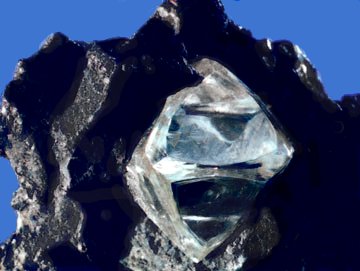
Main rock types and where they come from
Geologists divide solid Earth materials into three broad classes, each produced and altered by different conditions:
- Igneous rock — forms when molten rock cools and crystallizes. Cooling can occur below the surface (intrusive) or at the surface after volcanic eruption (extrusive).
- Sedimentary rock — made of compacted and cemented fragments (sediment) of older rocks, mineral precipitates, or biological debris deposited in layers.
- Metamorphic rock — produced when pre-existing rocks are altered by elevated temperature and pressure without melting, changing mineralogy and texture.
Key processes in the rock cycle
Several basic physical and chemical processes move material between rock types. Important processes include:
- Melting — solid rock turns to magma under extreme heat, often deep in the crust or mantle.
- Cooling and crystallization — magma or lava solidifies into igneous rock.
- Weathering and erosion — break down rock at the surface to produce sediment, which can be transported by water, wind, ice or gravity.
- Compaction and cementation — burying sediment compresses it and mineral-rich fluids bind particles into sedimentary rock.
- Metamorphism — burial and tectonic forces impose pressure and heat that recrystallize minerals and form foliated or non‑foliated metamorphic rocks.
- Subduction and deep crustal recycling — plates carry surface rocks into the mantle, promoting melting and large‑scale recycling.
These processes can repeat in different orders. For example, an igneous rock can be weathered into sediment, become a sedimentary rock, then be buried and metamorphosed, and finally melt to form new magma.
Environments that favor particular steps include volcanic arcs and mid‑ocean ridges (where melting and igneous activity dominate), river basins and continental shelves (where sediment accumulates), and continental collision zones (where high pressures and temperatures create metamorphic rocks). Plate tectonics provides the large-scale engines that drive many transformations by creating heat, directing burial and producing uplift and erosion.
Understanding the rock cycle is important for interpreting Earth’s history, locating mineral and energy resources, and predicting landscape evolution. Rocks preserve records of past climates, life and tectonic events; their textures and compositions reveal formation conditions. Though the cycle is continuous across deep time, individual changes may take from thousands to hundreds of millions of years depending on the process and setting.
Conceptually, the rock cycle emphasizes that Earth’s crust is dynamic: materials are never permanently fixed in one state. The idea grew from early modern geology and remains a central organizing principle for teaching how surface and internal processes interact to shape the planet.
Questions and answers
Q: What is the rock cycle?
A: The rock cycle is a process by which rocks of one kind change into rocks of another kind.
Q: What are the three main kinds of rocks?
A: The three main kinds of rocks are igneous rock, metamorphic rock, and sedimentary rock.
Q: How do these rocks change into each other?
A: These rocks can change into each other through physical processes such as cooling, melting, heat, weathering/erosion, compacting (squeezing tightly together), cementing, and pressure.
Q: What happens when heated deep underground?
A: When heated deep underground, rocks become magma (liquid rock). Above ground it is called lava.
Q: Where does sediment come from?
A: Sediment comes from the particles from rock erosion and weathering and serves as the basis for sedimentary rock of the future.
Q: How is metamorphic formed?
A: Metamorphic rock is formed under extreme pressure and temperature deep inside mountain chains by either igneous or sedimentary being heated and squeezed.
Q: What processes occur in Earth to change rocks?
A:Earth has several processes for changing rocks such as wind and water creating sediment from existing rocks and movement of one tectonic plate against another creating enormous heat and pressure that affects existing rocks greatly. Subduction also converts all types of existing rocks into magma which eventually rejoins the cycle as igneous rocks.
Tags
Related articles
Author
AlegsaOnline.com Rock cycle: how Earth's rocks form, change, and interact Leandro Alegsa
URL: https://en.alegsaonline.com/art/83516
Sources
- credoreference.com : "Rock Cycle (2010)"
- csmres.jmu.edu : csmres.jmu.edu/geollab/Fichter/Wilson/Wilson.html
- cotf.edu : Earth floor