
Robert Devereux, 2nd Earl of Essex
English nobleman (1565–1601), favourite of Elizabeth I, soldier and politician; led a failed Irish campaign and the 1601 rebellion, executed for treason; remembered in drama, music and film.
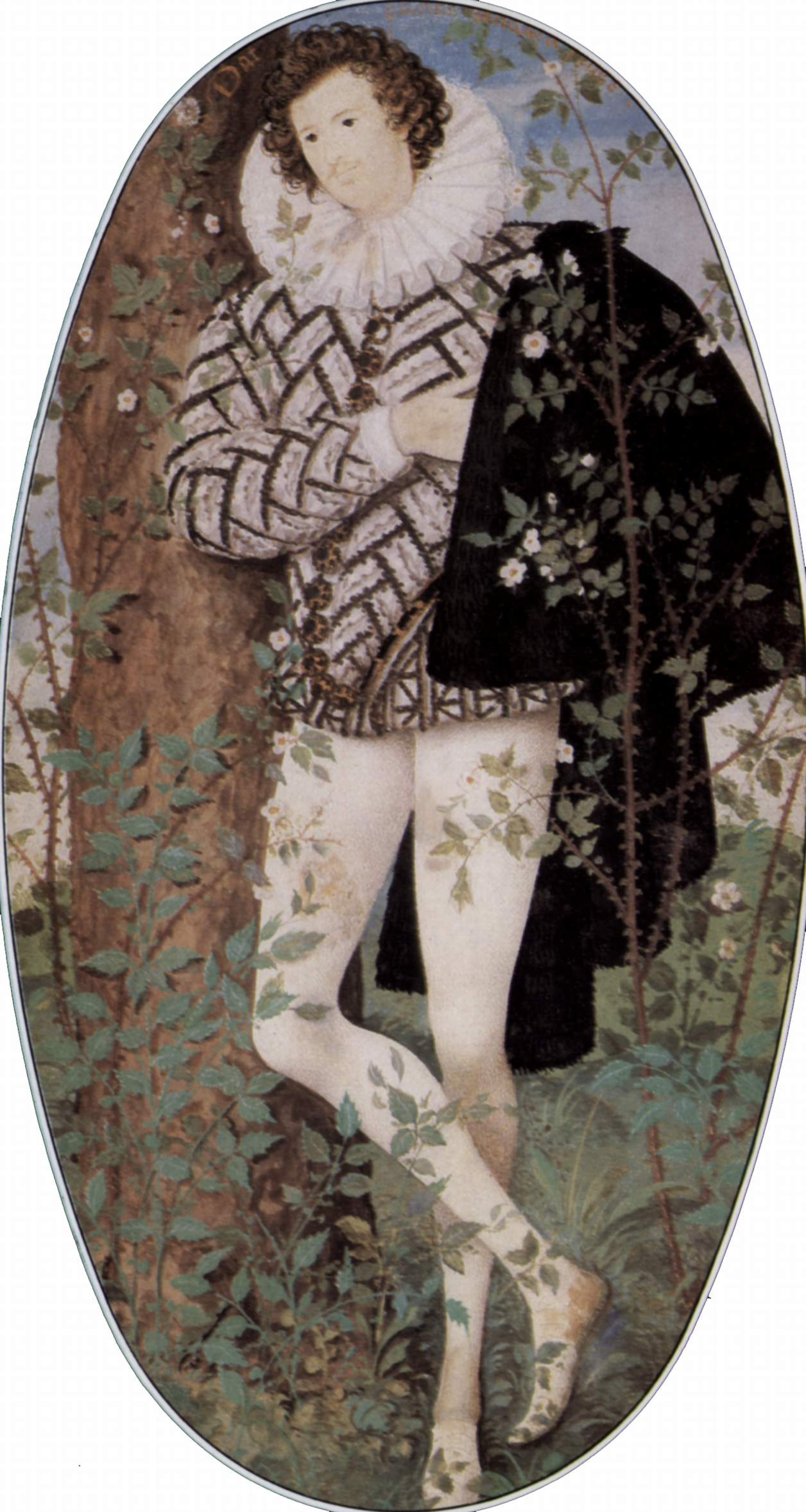
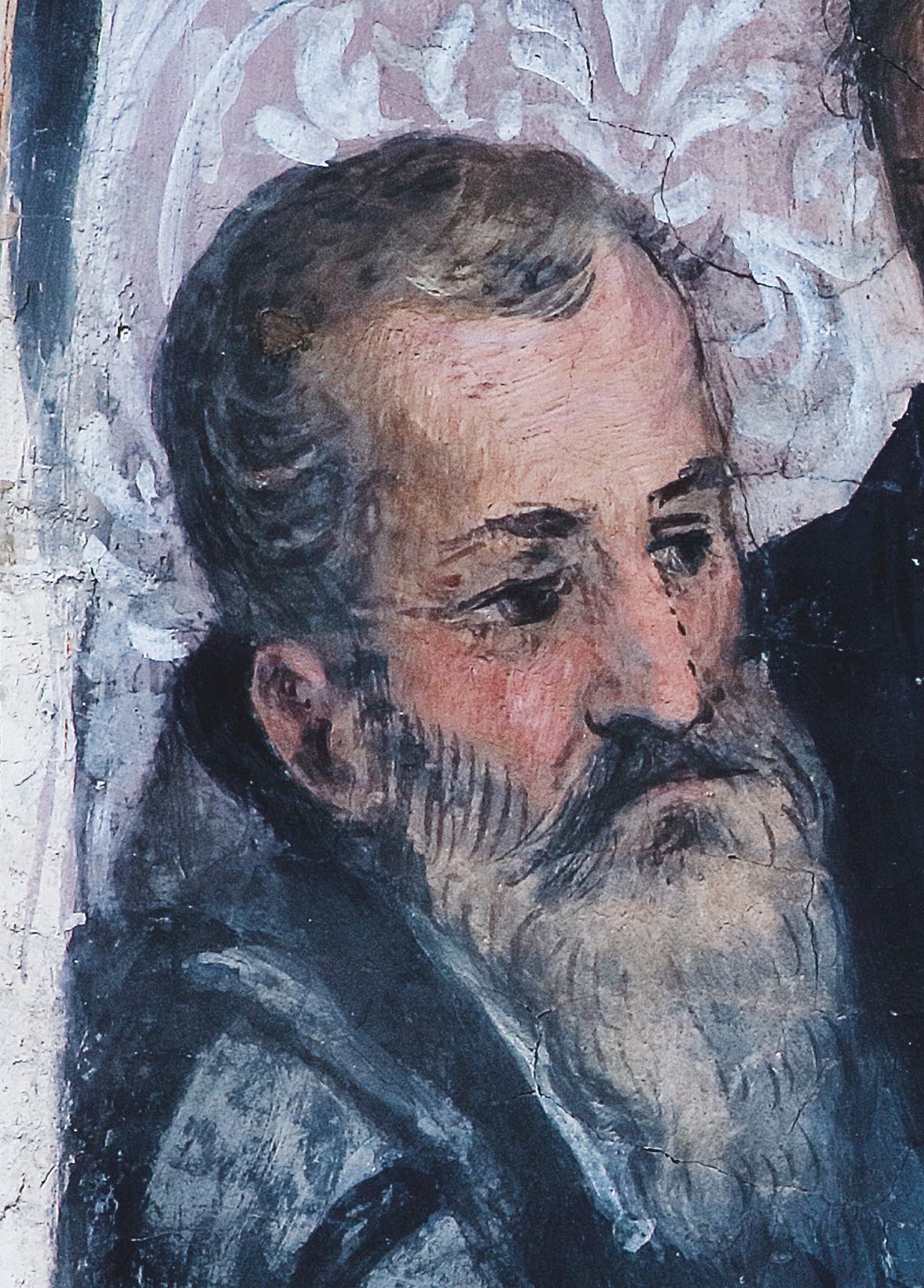
Robert Devereux, 2nd Earl of Essex (10 November 1565 – 25 February 1601) was an English nobleman, courtier and soldier who became one of Queen Elizabeth I's most famous favourites. Charismatic and politically ambitious, he combined influence at court with a desire for active command; contemporaries praised his energy while critics warned that his temper and impatience could be dangerous. He acquired a strong public profile as a military leader and was widely regarded as a bold, if sometimes impetuous, commander known for daring. His career was marked by rapid advancement, factional rivalry, a difficult Irish campaign and an ultimately fatal attempt to regain power in 1601 in the form of an uprising, for which he was tried and executed for treason the same year.
Image gallery
10 Images



Family background and early years
Born into the noble Devereux family, Robert was the son of the first Earl of Essex and his wife, members of the Tudor aristocracy. He grew up in a milieu of courtly patronage and military service that shaped his ambitions. As a young noble he sought favour at Elizabeth's court and quickly attracted attention for his looks, conversational skill and gift for public performance. He became a prominent figure in court entertainments and, for a time, a leading candidate among the Queen's close male courtiers and suitors.
Courts, offices and patronage
Essex used his access to the monarch to secure offices, followers and influence; he created a network of clients whose fortunes were tied to his own. His position brought rivals, most notably those who supported a more cautious administrative approach to government. As political tensions rose in the closing years of Elizabeth's reign, Essex's impatience with bureaucratic rivals and his expectation of decisive action brought him into increasing conflict with ministers and advisers.
Military activity and Ireland
Essex cultivated a public reputation as a soldier, participating in military ventures that bolstered his image. His most consequential command came during the Nine Years' War in Ireland, where he was appointed to lead English forces and to restore royal authority. The campaign proved politically and logistically difficult; it failed to end the rebellion decisively and damaged his standing. On his return to England he was criticised for his conduct and temporarily placed under restraint after the Irish campaign, a humiliating reversal for a man celebrated for martial boldness.
Downfall: rebellion, trial and execution
After losing influence at court and seeing his patronage network erode, Essex chose a course that led to his downfall. In early 1601 he mounted a poorly planned attempt to seize control of the government and to force changes in the council that had supplanted him. The uprising failed to attract the expected support in London; it was quickly suppressed, and Essex surrendered. He was arrested, tried before peers, and condemned for treason. He was executed in 1601, ending a spectacular fall from favour that became a lasting example of the risks inherent in Tudor politics.
Reputation and cultural legacy
Essex's life, personality and dramatic end have long fascinated writers, historians and artists. He appears in plays, poems and visual art as a figure at once heroic and tragic. His career has been interpreted variously as the story of a gifted man undone by temperament and miscalculation or as the result of factional court politics and the fragile nature of royal favour. He has been the subject of musical and cinematic treatments, such as Donizetti's opera Roberto Devereux by Gaetano Donizetti, and the Hollywood film The Private Lives of Elizabeth and Essex featuring Bette Davis and Errol Flynn. Modern scholarship continues to reassess his motives and the political constraints that shaped his choices, offering a more nuanced view of his ambition and misfortune for further reading.
- Born: 10 November 1565
- Died: 25 February 1601 (executed for treason)
- Roles: Court favourite, soldier, noble patron
- Notable events: Senior court position, troubled Irish command (1599), Essex Rebellion (1601)
- Legacy: Frequent subject of drama, opera and film; debated by historians
Related articles
Author
AlegsaOnline.com Robert Devereux, 2nd Earl of Essex Leandro Alegsa
URL: https://en.alegsaonline.com/art/83298