
Robert Doisneau: life and work of a French street photographer
Robert Doisneau (1912–1994) was a French photographer known for warm, candid images of mid-20th-century Paris that helped define humanist street photography and influenced generations of documentary photographers.
Overview
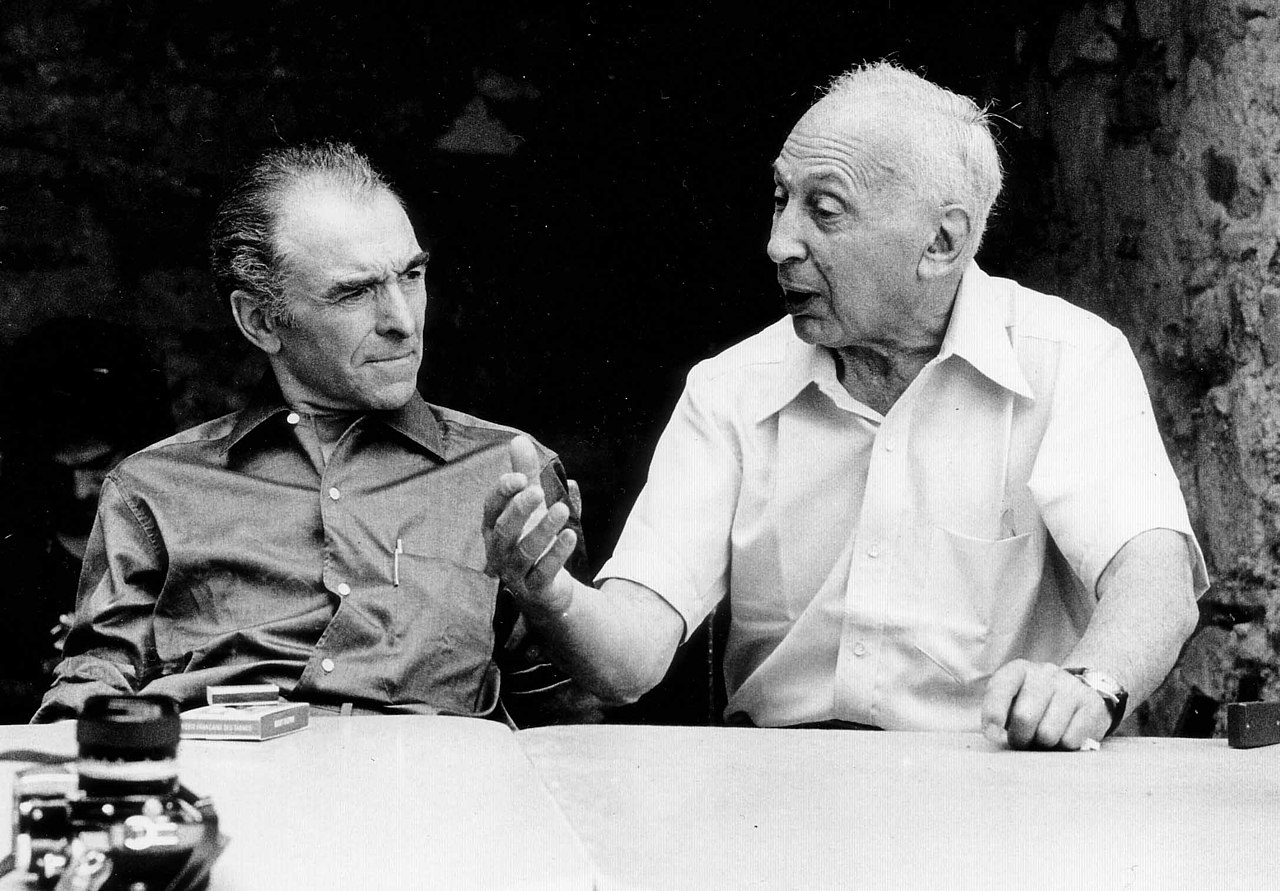
Robert Doisneau was a French photographer celebrated for images that capture the small gestures and daily dramas of city life. Born on 14 April 1912 (birth) and dying on 1 April 1994 (death), he became one of the most recognised exponents of postwar humanist photography. Working largely in black-and-white on 35 mm film with compact cameras, Doisneau produced pictures that combine compositional care, empathy and often a gentle humour. He is frequently mentioned alongside contemporaries such as Henri Cartier-Bresson as an important figure in the development of candid street documentary practice (French photography).
Image gallery
3 Images
Early life and training
Doisneau trained at the École Estienne in Paris, where he learned the graphic and printing trades, skills that later informed his sense of layout and reproduction (École Estienne). He began to take photographs in 1929 as a way to improve his drawing and observational skills (1929). The modernist and commercial currents of the 1930s encouraged photography as a medium for reporting and advertising, and Doisneau adopted small-format cameras that allowed him to work quickly and unobtrusively on the streets (1930s).
Equipment and technique
Doisneau favoured compact cameras such as a Leica, which suited his need for mobility and discretion when photographing in public (Leica). He usually worked in natural light, making rapid exposures and relying on instinctive framing. His images often emphasise gestures, expressions and interactions rather than formal studio portraiture, and many of his best-known photographs are in black-and-white, which he used to concentrate attention on line, contrast and mood (Paris).
Subjects and style
Doisneau’s photographs commonly show children, lovers, shopkeepers, workers and commuters. He sought scenes that revealed the warmth or irony of everyday life and preferred to document ordinary moments rather than staged grandeur. His style has been described as "humanist": attentive to personal feeling, sympathetic to ordinary people, and oriented toward narrative detail. While the appearance of spontaneity is characteristic of his work, some notable pictures later prompted debate about the line between candid reportage and collaborative posing.
Notable image and controversies
One of Doisneau’s most famous images, a tender street kiss taken near the Hôtel de Ville in Paris, long circulated as an emblem of Parisian romance. Over time scholars and journalists examined the circumstances of some celebrated images and noted that a few involved cooperative subjects or posed elements. This discussion has not erased the broad appreciation for his photographs, but it has encouraged a more nuanced view of mid-century street practice and the conditions in which pictures were made and published.
Career, publications and exhibitions
Throughout his life Doisneau worked for newspapers, magazines and photo agencies, and he published several books and portfolios of his work. His images appeared in exhibition shows and in illustrated journalism across Europe and beyond, helping to popularise a view of Paris built of human moments rather than only monuments. Retrospectives in galleries and museums have kept his work in public view and supported study by students and historians of photography.
Legacy and influence
Doisneau helped shape expectations of what street photography could achieve: a humane documentary record that balances reportage with careful composition. His photographs continue to be reproduced in books and anthologies, used in teaching, and shown in exhibitions. They are valued both as social documents of twentieth-century urban life and as examples of how empathy, timing and craft combine in photographic practice. For further contextual reading on his era and methods see materials on the 1930s (1930s context), the expanding role of photography in modernism (Modernist), and general reference entries about Parisian visual culture (Paris).
Common themes and characteristics
- Human scale: priority given to ordinary people, everyday activities and interpersonal moments.
- Empathy and humour: images often combine warmth with a playful or ironic touch.
- Discreet equipment: use of small-format cameras to remain unobtrusive (Leica).
- Reproducibility: attention to how pictures read in print, informed by his early training in the book trade (École Estienne).
Doisneau’s career illustrates how mid-twentieth-century photographers used portable cameras to document urban life, and how their images shaped popular perceptions of cities like Paris. Researchers and readers interested in his life and work can consult biographical entries and archival resources (birth, death) as well as wider surveys of French and modernist photography (French photography, Modernist). Early influences and the moment he began photographing in 1929 provide useful context for understanding his development (1929), and numerous performance histories discuss the relationship between staged and candid imagery in the era (1930s).
For more targeted resources, see agency archives and exhibition catalogues that document Doisneau’s published work and its reception over time (birth, death, Leica, Paris).
Related articles
Author
AlegsaOnline.com Robert Doisneau: life and work of a French street photographer Leandro Alegsa
URL: https://en.alegsaonline.com/art/83299