
Roberto Devereux — Donizetti’s Tragic Tudor Opera
An overview of Gaetano Donizetti’s three-act opera Roberto Devereux: origins, musical style, principal characters, performance history, and its place among Donizetti’s Tudor operas.
Roberto Devereux is a three-act opera in the Italian tradition composed by Gaetano Donizetti with a libretto by Salvatore Cammarano. The text draws on François Ancelot’s drama Elisabeth d'Angleterre and focuses on the fraught relationship between Queen Elizabeth I and the Earl of Essex. The work premiered in Naples on 29 October 1837 and is usually classified among Donizetti’s late serious operas.
Image gallery
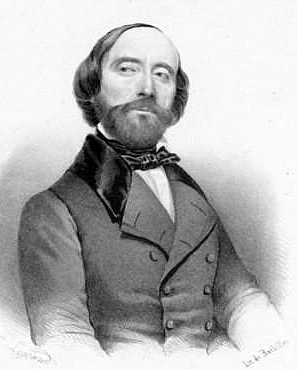
2 Images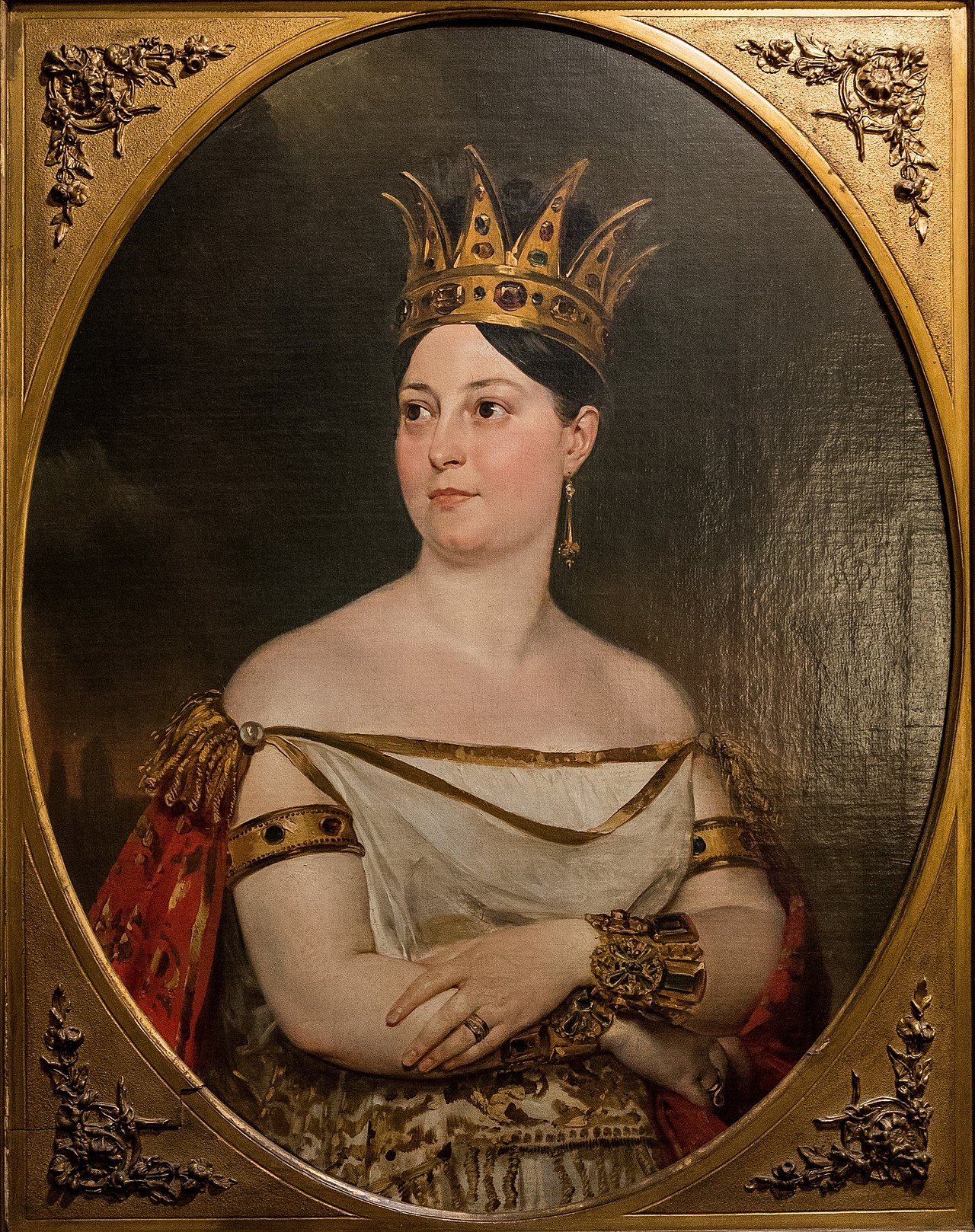
Musical and dramatic characteristics
The score combines bel canto vocal writing with heightened dramatic tension. Donizetti gives the principal soprano role wide-ranging demands: florid passagework, sustained lyrical lines and moments of intense declamatory expression. The orchestral writing supports the vocal drama without overwhelming it, and many listeners note a darker, more forceful approach to the subject matter than in some of Donizetti’s earlier comedies and lyrical works. For this reason Roberto Devereux has sometimes been described as one of the more "Verdian" of his operas, meaning that it anticipates the plainspoken dramatic directness associated with Verdi.
Plot and principal characters
Set at the Elizabethan court, the opera centres on love, jealousy, political rivalry and tragic consequences. The main figures are:
- Elisabetta (Queen Elizabeth I) — soprano
- Roberto Devereux (Earl of Essex) — tenor
- Sara (Duchess of Nottingham), a woman torn between loyalty and jealousy — mezzo-soprano
- The Duke of Nottingham — baritone (a court noble)
The drama moves from intimate confrontations to public accusations, balancing private emotion with the machinery of state. Its narrative arc follows suspicion and accusation toward a tragic, irreversible resolution.
History and reception
Although successful in its era, Roberto Devereux fell into relative obscurity for much of the late 19th and early 20th centuries, as changing tastes favoured other repertory. Interest in bel canto revival in the mid-20th century brought the opera back to attention: a notable revival in Naples in 1964 led by soprano Leyla Gencer helped re-establish it on the stage. Subsequent high-profile interpreters such as Montserrat Caballé and Beverly Sills further increased its visibility and inspired modern productions and recordings.
Importance and modern performance
Today Roberto Devereux is appreciated both as an example of Donizetti’s late dramatic voice and as a showcase for dramatic sopranos and expressive tenors. It is frequently programmed alongside the composer’s other Tudor-era works—most notably Anna Bolena and Maria Stuarda—and is studied for its synthesis of bel canto technique with psychological intensity. Performers and audiences prize it for its emotional immediacy and the demanding vocal challenges it presents.
Further notes
For listeners approaching Roberto Devereux, familiarizing oneself with the historical background of Elizabethan politics and the conventions of 19th-century Italian opera clarifies both character motives and musical choices. The opera rewards repeated listening: its combination of intimate scenes and public drama reveals subtleties in Donizetti’s scoring and in the way he shapes vocal lines to express conflicting loyalties and passions. Additional resources and production histories can be found through specialist guides and recordings linked by publishers and archives (Italian opera surveys often include this title).
Related articles
Author
AlegsaOnline.com Roberto Devereux — Donizetti’s Tragic Tudor Opera Leandro Alegsa
URL: https://en.alegsaonline.com/art/83414