
Gaetano Donizetti: life, music and legacy of a bel canto master
Italian composer Gaetano Donizetti (1797–1848) shaped early 19th-century opera with lyrical invention and dramatic flair. This article covers his life, musical style, major works and enduring influence.
Overview
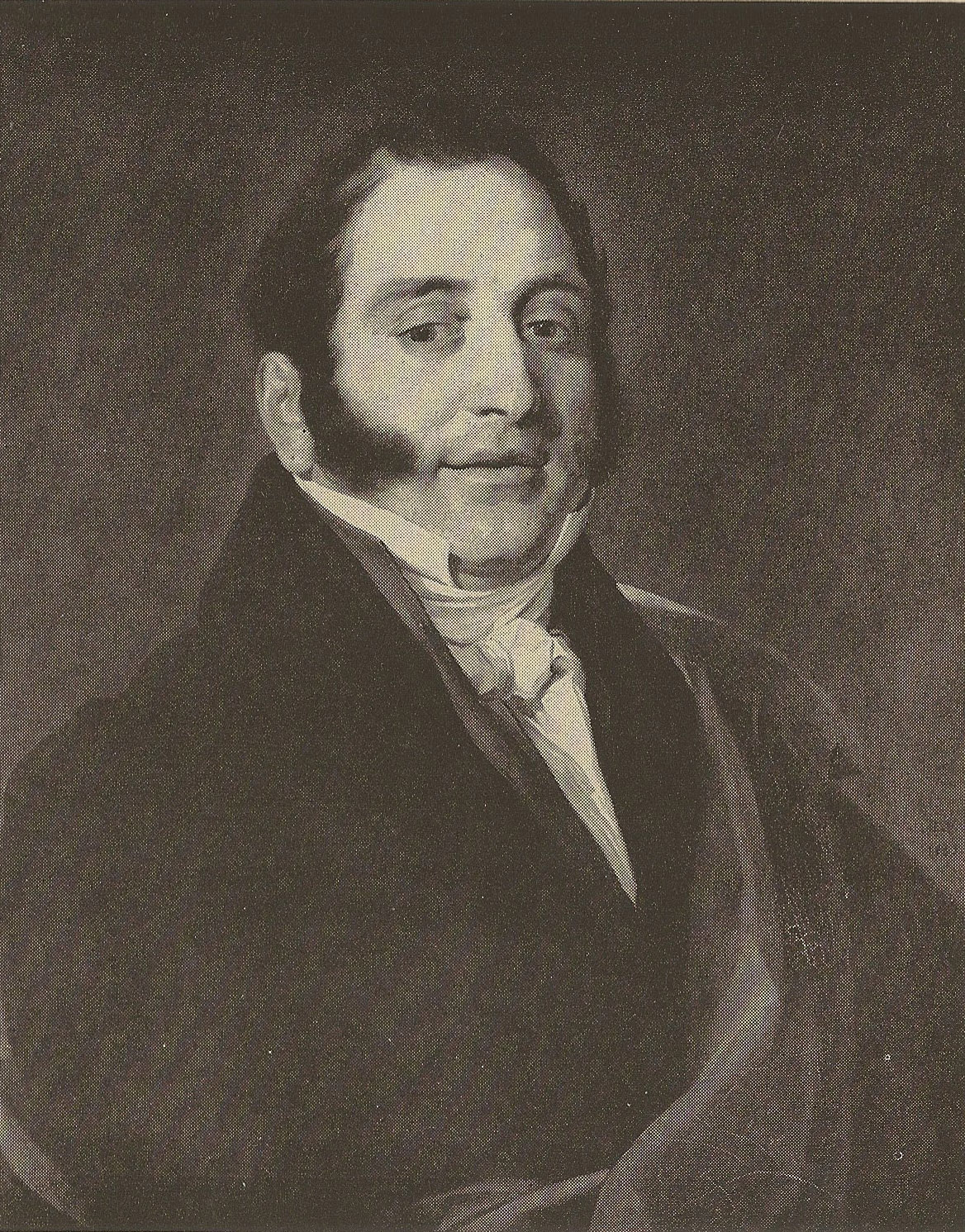
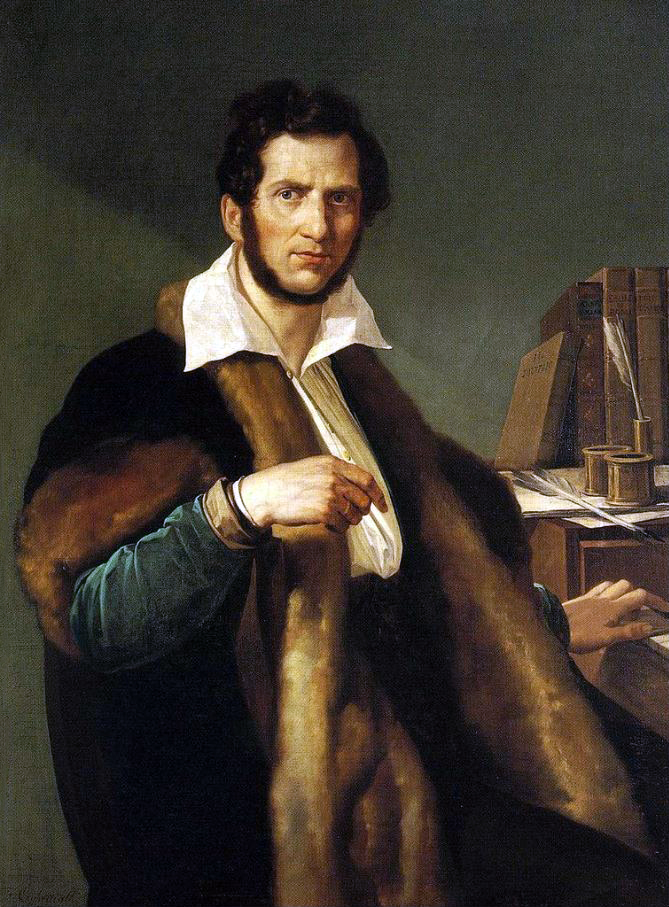
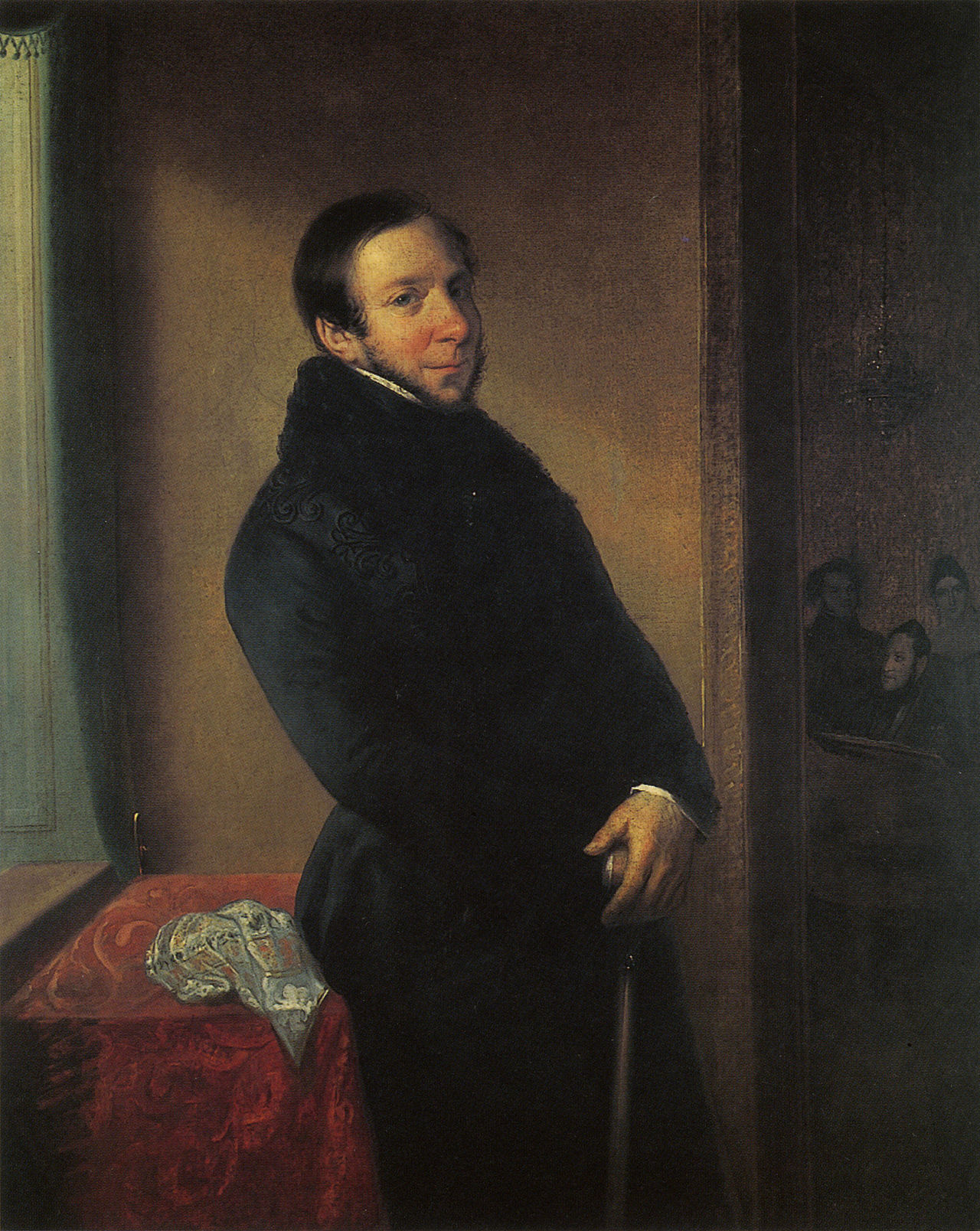
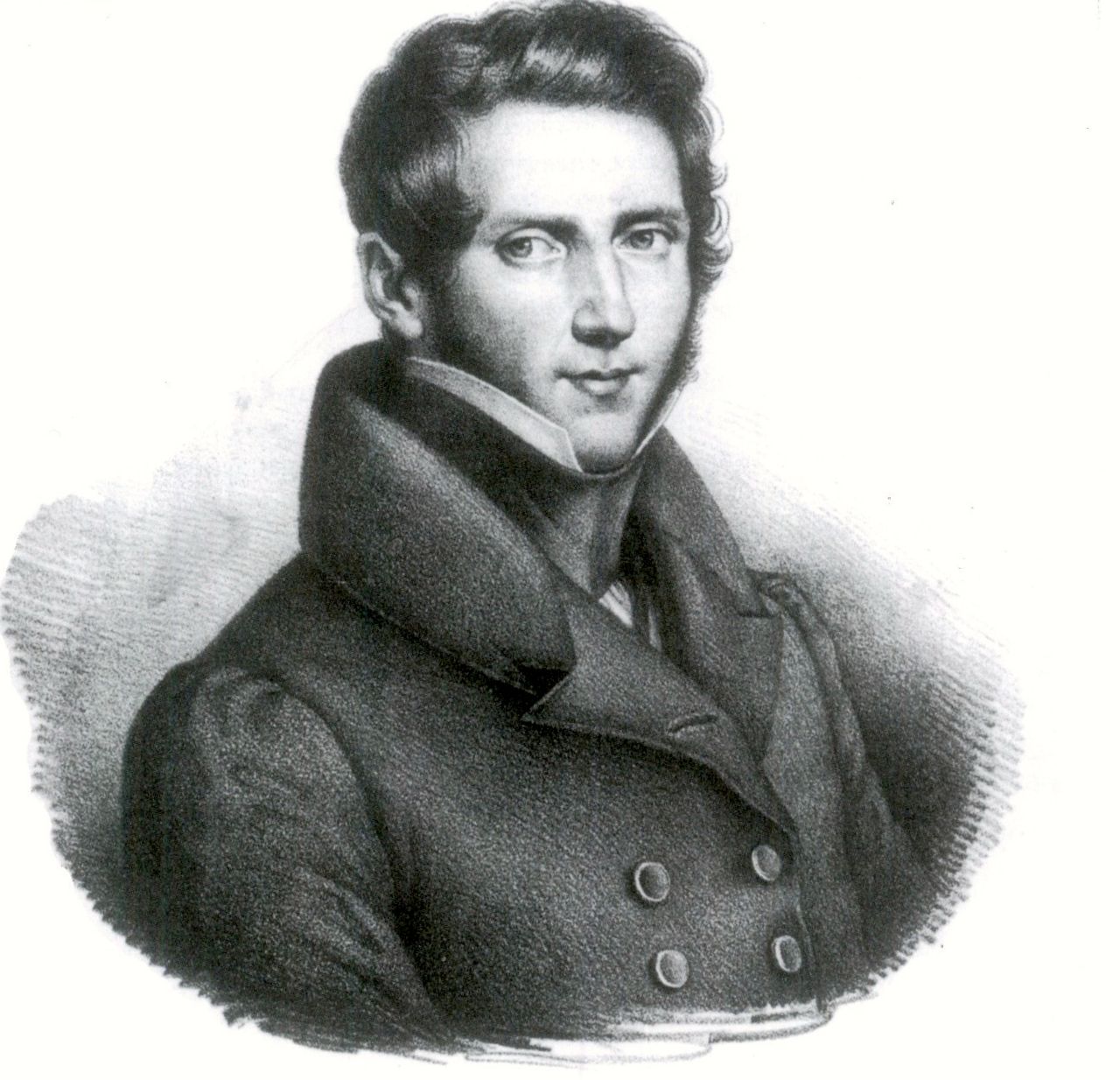
Gaetano Donizetti was an Italian national figure and prolific composer of the early 19th century, born in Bergamo on 29 November 1797 and dying there on 8 April 1848. He became one of the leading writers of Italian opera during the period between the death of Vincenzo Bellini in 1835 and the emergence of Giuseppe Verdi. Donizetti is often associated with the bel canto tradition: a pursuit of smooth, expressive vocal lines, clear melodic phrasing and an emphasis on singing technique paired with dramatic expression.
Image gallery
10 Images




Life and career
Donizetti’s origins were modest. His musical promise was recognized in his native town when Giovanni Simone Mayr (also known as Simon Mayr) took him under his wing and provided formal training at the church of Santa Maria Maggiore. Early public exposure came when his first operas were staged in Venice. A wealthy patron enabled him to avoid military service and pursue composition. From a breakthrough with Zoraida di Granata in Rome he secured work in major Italian centres, including a contract to write for theatres in Naples. For long stretches of his career he worked at a remarkably fast pace, sometimes producing several stage works in a single year, although not every effort met with equal approval—partly because many of the libretti he received were weak or unsuitable for his gifts.
Musical style and working methods
Donizetti wrote in a language that prized the human voice: arias, cabalettas and ensembles that showcase singers’ agility, tone and ability to shape long lines. Within the bel canto framework he could vary the dramatic intensity from light comedy to tragic pathos. He combined memorable tunes with efficient pacing, while orchestration is generally supportive of the singers rather than densely contrapuntal. He was adaptable, sometimes revising or recycling music to meet the practical demands of theatres and singers; this fluid approach helped him maintain extraordinary output but also left some works uneven in quality.
Major works
Several operas by Donizetti have become staples of the repertory and display different facets of his art. After a personal milestone—his marriage in 1828 and the sorrowful loss of family members and his wife in 1837—his music often carries a notable emotional depth. Important works include:
- Anna Bolena (Anna Bolena) – the opera that brought him wide international attention and productions in cities such as London and Paris.
- Maria Stuarda – based on a drama by Schiller and now valued for its intense final scenes, despite a mixed reception at its premiere; see Maria Stuarda.
- Lucia di Lammermoor – drawn from the novel by Sir Walter Scott and the source book The Bride of Lammermoor, this score contains some of his most famous and emotionally charged music; it exists in both Italian and French versions (Lucia di Lammermoor).
- Don Pasquale – a masterly comic opera that demonstrates Donizetti’s command of ensemble writing and sense of theatrical timing; it was composed during his years in Paris.
Later years, illness and final decline
In 1838 Donizetti moved to Paris, hoping to secure financial success and international stature. Although his works were mounted in several Parisian theatres, he faced harsh critical scrutiny from some quarters and an increasingly fragile state of health. Over the 1840s he showed signs of neurological decline that are frequently associated with tertiary syphilis in contemporary sources; he spent a prolonged period in a medical institution near Paris and later was cared for by friends. In 1847 arrangements were made for him to return to Italy and receive personal care, but by then his condition had progressed to paralysis and severe impairment of speech. He died the following year and was buried in the church of his home town; the house where he was born now functions as a museum (the Donizetti birthplace museum).
Legacy and significance
Donizetti’s reputation rests on a combination of melodic invention, theatrical intelligence and a capacity to serve singers’ talents. He bridged the stylistic space between the florid bel canto of earlier decades and the emerging dramatic priorities that would characterize mid-19th-century Italian opera. Many individual numbers from his operas remain popular with singers and audiences, and several of his stage works enjoy regular revivals at major houses worldwide. Historically, he is remembered both for his prodigious productivity and for operas that range from intimate tragedy to high-spirited comedy, demonstrating a flexible mastery of the operatic medium.
Further reading and resources can be consulted for in-depth study; for general reference or entry points to scores and recordings see the linked items in this article. Academic and performance interest in Donizetti has grown with critical editions, new stagings and recordings that aim to present his music as he practised it while clarifying editorial issues left by ad hoc adaptations in his lifetime.
Selected quick links: Bergamo, birth date, death date, Italian, composer, operas, Bellini, 1835, bel canto, Venice, Rome, Naples, libretti, 1828, 1837, Anna Bolena, London, Paris, Maria Stuarda, Schiller, Lucia di Lammermoor, Scott, novel, 1838, syphilis, 1847, museum.
Questions and answers
Q: Who was Gaetano Donizetti?
A: Gaetano Donizetti was an Italian composer who was the most famous composer of operas in Italy between the death of Bellini (1835) and the time when Verdi was becoming well-known.
Q: What style did he write his operas in?
A: He wrote his operas in a bel canto style, which is music with beautiful, smooth melodies.
Q: How did Donizetti's talent get discovered?
A: His talent got discovered by Simon Mayr, who was maestro di cappella (music director) at S Maria Maggiore in Bergamo. He opened a school which trained boys to sing in the church choir and gave them a good musical education. Donizetti learned a lot from Mayr and was always very grateful to him.
Q: What opera made him internationally famous?
A: His opera Anna Bolena made him internationally famous as it was performed in London and Paris.
Q: What novel inspired one of his most popular operas?
A: One of his most popular operas, Lucia di Lammermoor, was based on Scott’s novel The Bride of Lammermoor. There is also a French version as well as an Italian version of this opera.
Q: Why did he move to Paris?
A: He moved to Paris hoping that he would earn lots of money so that he could then retire, just like Rossini had done. However, his health deteriorated while there and he found it difficult to concentrate on composing new works.
Q: Where are Donizetti's remains now located?
A:Donizetti's remains are now located in a church in Bergamo where they were buried after his death; the house where he was born has been turned into a museum dedicated to him.
Related articles
Author
AlegsaOnline.com Gaetano Donizetti: life, music and legacy of a bel canto master Leandro Alegsa
URL: https://en.alegsaonline.com/art/119362