
RKO Pictures (Radio-Keith-Orpheum)
American film studio established in 1928, one of Hollywood's Big Five; noted for Astaire–Rogers musicals, film noir and horror, King Kong and Citizen Kane, and a complex corporate history.
Overview
RKO Pictures, originally incorporated as RKO Radio Pictures, Inc., was an American motion picture studio formed in October 1928. The initials RKO stand for Radio-Keith-Orpheum, reflecting a corporate combination of a theater circuit, a production-distribution company and interests tied to early sound technology. During the period often called Hollywood’s Golden Age, RKO ranked among the industry’s Big Five studios and became notable for both commercial entertainment and films of artistic ambition.
Image gallery
10 Images


Formation and early years
The company was created through a merger that brought together the Keith-Albee-Orpheum (KAO) theater chain and the Film Booking Offices of America (FBO) studio. The arrangement was advanced by David Sarnoff of the Radio Corporation of America (RCA) largely to promote RCA’s Photophone sound-on-film system and to ensure a market for the new talkie technology. This vertical integration—combining production, distribution and exhibition—helped RKO participate centrally in the transition from silent pictures to sound cinema.
Studio system, personnel and operations
RKO operated within the studio system that dominated American filmmaking for decades: it maintained production facilities, employed contract players, directors and craftspeople, and cultivated creative departments for music, camera, set design and special effects. Though not the largest of the major studios, RKO many times fostered distinctive collaborations between directors, cinematographers and composers, and it gained a reputation for artistic risk-taking alongside commercially oriented releases.
Notable films and talent
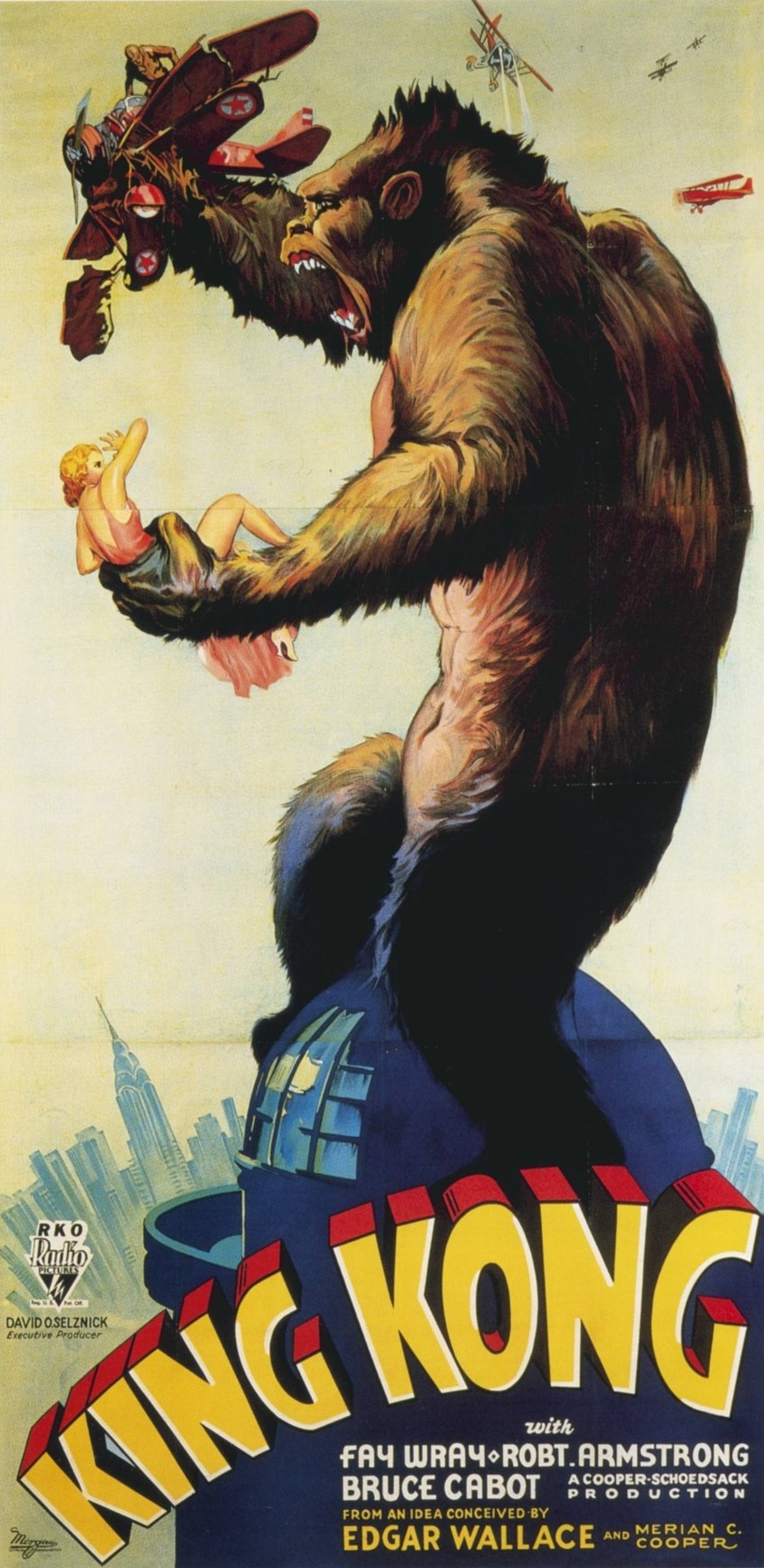
The studio is widely associated with the dance-musical partnership of Fred Astaire and Ginger Rogers in the 1930s, and it helped launch or advance careers for performers such as Katharine Hepburn, Cary Grant and Robert Mitchum. RKO released two films that have endured as milestones of cinema: King Kong (1933), noted for its special effects and mythic storytelling, and Orson Welles’s Citizen Kane (1941), acclaimed for innovations in cinematography and narrative form. RKO also produced and distributed acclaimed works by other filmmakers, including Alfred Hitchcock’s Notorious, and served as the distributor for independent projects such as Frank Capra’s It’s a Wonderful Life and many early Walt Disney feature films.
Genres and aesthetic contributions
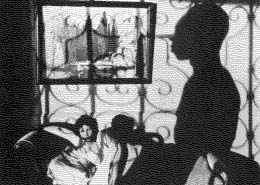
RKO’s catalogue spans genres: lavish musicals, romantic comedies, crime dramas, and atmospheric horror. The studio is especially noted for contributions to film noir and for Val Lewton’s economical, psychological horror cycle, which demonstrated how striking mood and suggestion could be achieved on modest budgets. RKO’s technical and expressive choices—lighting, sound design and special effects—left a lasting influence on subsequent filmmakers.
Decline, ownership changes and corporate history
RKO’s corporate life was turbulent. Investor Floyd Odlum exerted control in the mid-1940s. In 1948 Howard Hughes acquired a controlling interest, an era often associated with managerial instability and diminished production. The General Tire and Rubber Company bought the firm in 1955; RKO largely ceased regular feature production by 1957 and underwent various reorganizations. By the late 1950s and early 1960s many of its functions had been wound down and assets were placed in successor entities such as RKO General. The RKO name and library would later be revived and reconstituted in different corporate forms, including an incarnation as RKO Pictures Inc. in 1981 and later RKO Pictures LLC under subsequent owners.
Legacy, preservation and cultural importance
RKO’s legacy rests on a combination of landmark films, a distinctive sensibility in certain genres and the careers it fostered. Its films remain subjects of study, restoration and public exhibition; preservationists and archives have worked to maintain access to titles that are important for film history. At the same time, the studio’s complex corporate succession has produced challenges in rights, distribution and archival stewardship, making RKO an instructive example of how cultural assets are affected by business change.
Selected notable films and themes
- King Kong (1933) — early special-effects spectacle and cultural touchstone
- Citizen Kane (1941) — landmark in direction and narrative technique
- Astaire–Rogers musicals — influential dance and musical collaborations
- Val Lewton horror cycle — economical, atmospheric psychological horror
- Notorious and It’s a Wonderful Life — major collaborations and distribution projects
Archival holdings and access
Much of RKO’s output survives in studio archives, national film preservation collections and private holdings; ongoing restoration efforts aim to preserve both high-profile titles and lesser-known work. Because the company changed owners repeatedly, legal and commercial arrangements affecting availability have been complex, and scholars often consult multiple sources to trace prints, negatives and rights information.
Further reading and archival links
- RKO company profile
- Film production and distribution overview
- Origin of the RKO name
- Keith-Albee-Orpheum theatre history
- Film Booking Offices of America (FBO)
- David Sarnoff and early corporate strategy
- RCA and Photophone sound technology
- RKO musicals and stage collaborations
- Fred Astaire at RKO
- Ginger Rogers films
- Katharine Hepburn’s early roles
- Robert Mitchum’s career start
- Cary Grant and RKO
- RKO and the development of film noir
- Val Lewton horror series and analysis
- King Kong and Citizen Kane studies
- It’s a Wonderful Life distribution notes
- RKO’s distribution of Disney films
- Howard Hughes era at RKO
- Later corporate successors and archives
Related articles
Author
AlegsaOnline.com RKO Pictures (Radio-Keith-Orpheum) Leandro Alegsa
URL: https://en.alegsaonline.com/art/83191
Sources
- britannica.com : "RKO Radio Pictures, Inc"