
David Sarnoff: Broadcasting Pioneer and RCA Leader
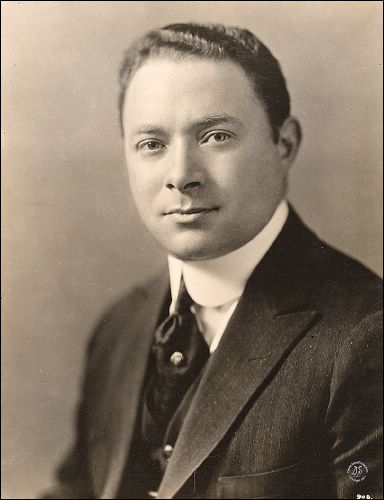
David Sarnoff (1891–1971), Russian-born American broadcasting executive, led RCA and helped found NBC. He promoted the 'radio music box' idea and played a central role in the rise of commercial radio and early television.
Overview
David Sarnoff (27 April 1891 – 12 December 1971) was a Russian-born American broadcasting executive and media organizer. Over several decades he guided the growth of corporate broadcasting and consumer electronics in the United States, helping to transform wireless technology from specialist equipment into mass-market services for news, entertainment and information.
Image gallery
5 Images


Early career and the Titanic connection
Sarnoff emigrated to the United States as a child and entered the field of wireless telegraphy as a young man. Contemporary accounts associated him with the reception of distress signals from the RMS Titanic in April 1912 while he worked for an early wireless company in New York. That episode became part of his public image, though historians have treated specific claims about his role with caution.
"Radio music box" and the idea of home broadcasting
In about 1916 Sarnoff is reported to have articulated the vision of a "radio music box": an affordable receiver that would bring news and entertainment into ordinary homes. This idea helped popularize the concept of broadcasting as a mass medium and anticipated the rise of consumer radio sets and scheduled programming that became widespread in the 1920s and 1930s.
Leadership at RCA and the founding of networks
As an executive at the Radio Corporation of America (RCA), Sarnoff played a central role in expanding manufacturing of receivers and in creating organized radio networks. He was instrumental in the establishment of the National Broadcasting Company (NBC) in 1926 and guided corporate strategy that linked content production, distribution and consumer hardware. Under his leadership RCA became one of the best-known names in consumer radio and later television equipment.
Television, wartime work and postwar expansion
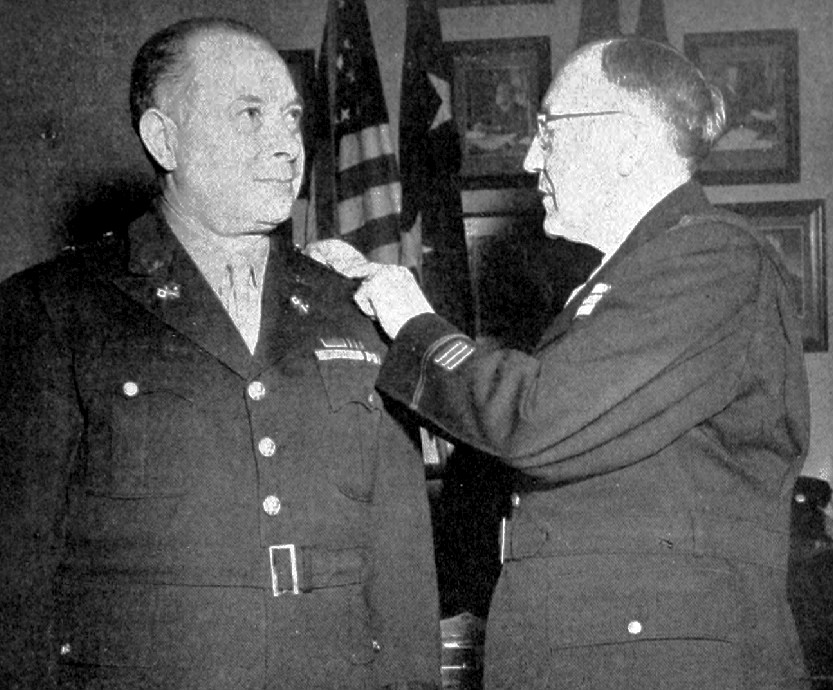
Sarnoff championed electronic television and oversaw demonstrations and early commercial trials in the 1930s and after World War II. RCA invested in research and in the transition to commercial television broadcasting; the company and Sarnoff were visible figures in the introduction of television sets to American homes in the late 1940s and 1950s. During wartime periods RCA and related firms were also engaged in production of communications equipment for military and government use.
Controversies and legal disputes
His long tenure in a dominant corporate position brought public scrutiny. RCA's business practices, its role in shaping standards and its relations with independent inventors and competitors prompted criticism and legal disputes. Sarnoff and the company were involved in contentious patent litigation and regulatory debates that reflected broader tensions in rapidly consolidating technological industries.
Legacy
Evaluations of Sarnoff's career balance his role in popularizing broadcasting and fostering large-scale consumer markets against concerns about corporate concentration and competitive tactics. He is widely remembered as an organizer who helped define the commercial models of broadcasting and who steered one of the principal companies that brought radio and television into everyday life.
Notable facts
- Born in the Russian Empire and died in 1971 after a long career in American broadcasting.
- Associated with the memorable phrase and concept of a household "radio music box".
- Helped form NBC and led RCA as the company became a major manufacturer and network participant.
- His tenure involved technological promotion, corporate growth, and notable legal and regulatory controversies.
Related articles
Author
AlegsaOnline.com David Sarnoff: Broadcasting Pioneer and RCA Leader Leandro Alegsa
URL: https://en.alegsaonline.com/art/25808