
RCA (Radio Corporation of America)
American electronics and broadcasting company founded in 1919; pivotal in radio, television, recording and consumer electronics. The RCA brand survives today through licensing and music rights.

RCA, originally the Radio Corporation of America, was an influential American electronics company founded in 1919. Created in the aftermath of World War I to organize radio communications and related industries, RCA grew into a conglomerate that combined manufacturing, broadcast networks, recorded music and research. For much of the 20th century the company name became synonymous with consumer radios, televisions and the broadcasting services that reached millions of listeners and viewers.
Image gallery
10 Images




Organization and innovations
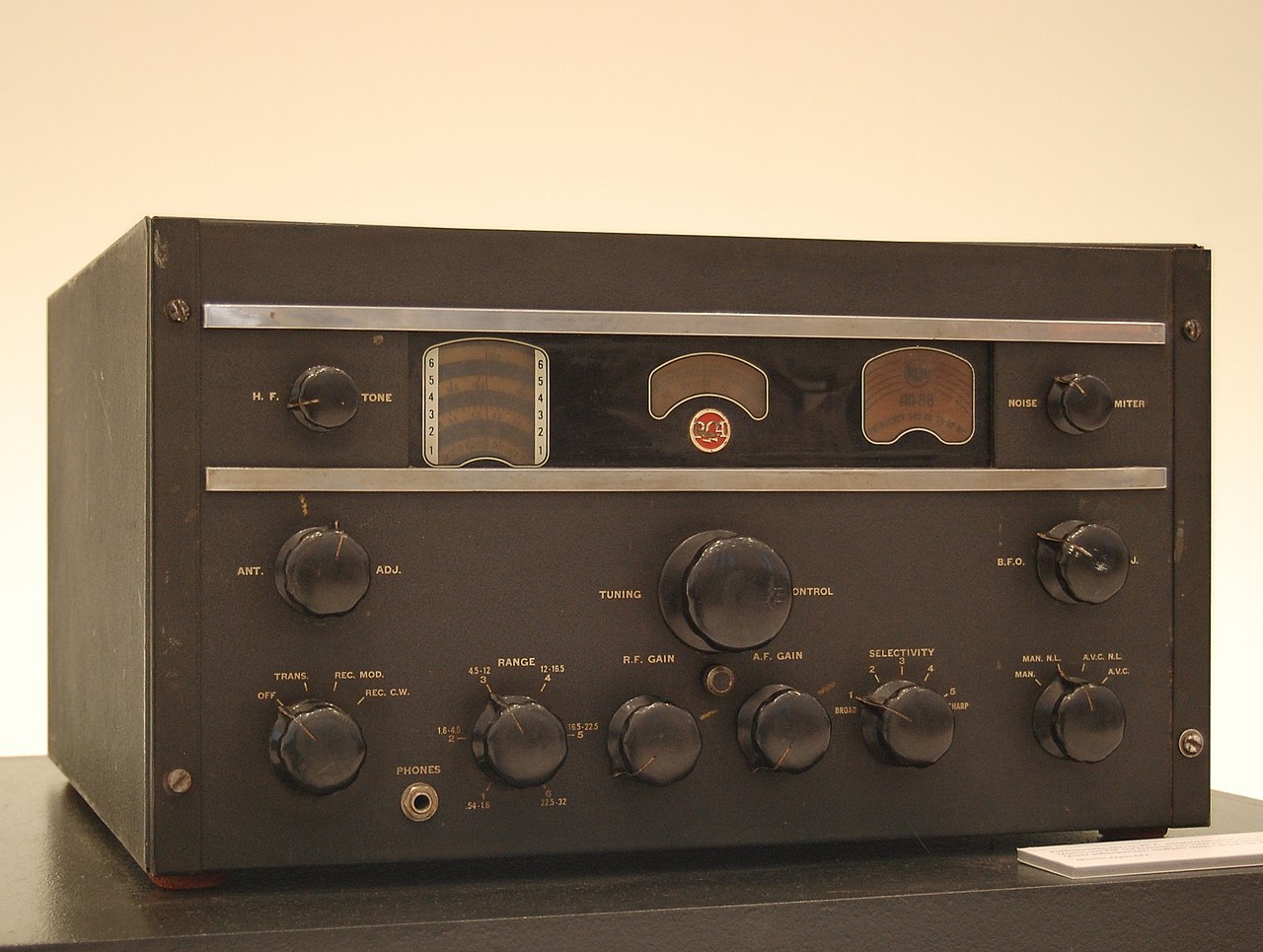
RCA operated several business lines. It owned or controlled one of the first national radio networks (the National Broadcasting Company, NBC), maintained an active record label (RCA Victor) and produced a wide range of consumer products: vacuum-tube radios, televisions, phonographs and later transistors and color sets. Its research arm, RCA Laboratories, was a center for work on electronic imaging and communications; engineers such as Vladimir Zworykin were associated with early television technology. RCA introduced or helped standardize multiple technologies that shaped broadcasting and home entertainment.
History and development
Under long-serving executives the company expanded rapidly in the 1920s and 1930s. In 1929 RCA purchased the Victor Talking Machine Company and marketed phonographs and records under the RCA Victor name. The corporation played a central role in the evolution of radio network programming, the commercialization of electronic television and the transition to color broadcasting during the mid-20th century. RCA’s research and manufacturing efforts helped set technical standards and popularize new formats, such as the 45 rpm single for recorded music.
Decline, restructuring and legacy
Facing competitive pressures and changing markets in the late 20th century, the company was broken up and its assets reassigned. General Electric purchased RCA in 1986, and many divisions were sold or spun off in subsequent years. The original corporate entity no longer operates as it did, but the RCA name and related trademarks continue in multiple contexts: the music catalog and label survive under major music industry owners, and the brand is licensed to manufacturers and retailers. Today the RCA trademark is used in recordings and by licensees for electronics and consumer products.
Notable contributions and facts
- Founder and early steward of a major national radio network, NBC.
- Developer and promoter of electronic television technologies and color broadcasting standards.
- Owner of RCA Victor, an influential record label and recording catalog.
- Legacy continues through trademark licensing and music rights; the RCA record name is associated with contemporary music companies such as Sony Music Entertainment.
For historical summaries and corporate records, see further resources on RCA’s corporate history and technological contributions. Manufacturers and brand-license information can be found through dedicated brand and trademark pages, and archives that document early broadcasting and recording history. Additional background is available from sources that cover 20th-century American electronics, broadcasting regulation and the development of consumer media technology (research overview, brand and trademark notes).
Related articles
Author
AlegsaOnline.com RCA (Radio Corporation of America) Leandro Alegsa
URL: https://en.alegsaonline.com/art/81425