
Ginger Rogers
Ginger Rogers (1911–1995) was an American actress, singer and dancer best known for her ten-film partnership with Fred Astaire, an Academy Award for Kitty Foyle, and a long career across stage, screen and television.

Ginger Rogers (born Virginia Katherine McMath; July 16, 1911 – April 25, 1995) was an American actress, dancer and singer whose career spanned vaudeville, Broadway, Hollywood films and television. She became one of the most recognizable performers of the 1930s and 1940s through a combination of technical skill in dance, comic timing and dramatic range. Rogers appeared in more than seventy feature films and remains widely studied in histories of the American musical and classic cinema.
Image gallery
10 Images


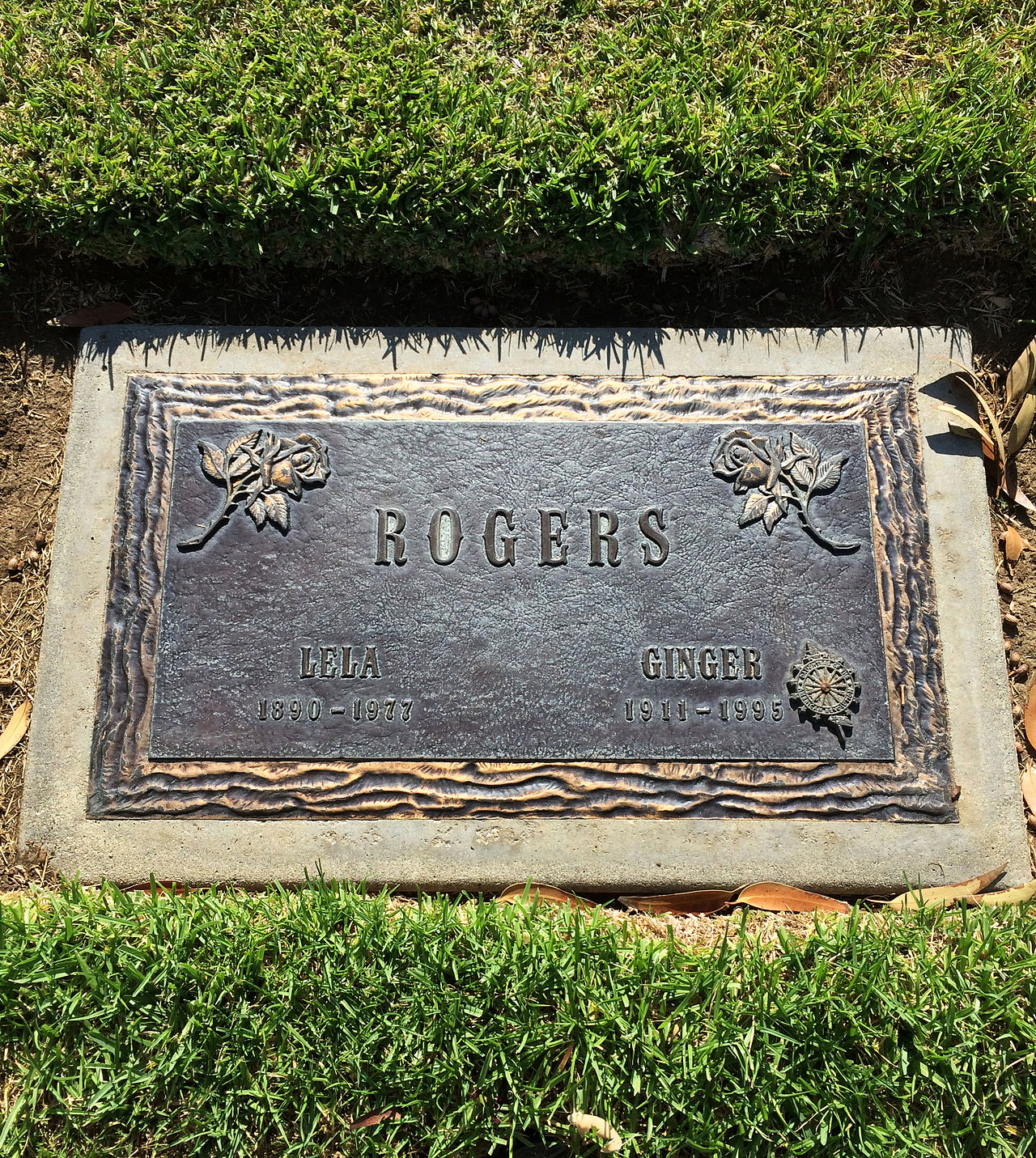


Early life and career beginnings
Rogers was born in Independence, Missouri, and raised in the Midwest before entering show business as a child performer. She worked in vaudeville and on stage, developing both dancing and acting skills that eased her transition to motion pictures. Her early screen roles established her as a versatile performer able to move between light musical comedy and more serious dramatic parts, helping to sustain a long and varied career in Hollywood and on the stage. For regional and biographical background, see local histories and archival sources Independence and regional archives.
Film career and collaboration with Fred Astaire
Rogers is best known for her on-screen partnership with Fred Astaire, with whom she danced as romantic co‑lead in a celebrated series of RKO musicals. The pair first drew widespread attention in films that combined elegant choreography, witty scripts and sophisticated production values, and their collaborations are commonly credited with raising the profile of the movie musical as an art form. Their work together—often cited in surveys of dance on film—helped define standards for musical choreography and cinematic presentation on the development of the musical. Biographical and performance resources on Astaire also document the pairing and its cultural impact Fred Astaire partnership resources.
Dramatic roles and recognition
Although widely celebrated for musicals, Rogers demonstrated considerable dramatic ability. Her performance in Kitty Foyle (1940) earned her the Academy Award for Best Actress, a recognition that helped to broaden perceptions of her talents beyond dance and light comedy. Records and award histories provide context for her honors and industry standing Academy Award records.
Stage, radio and television
Beyond films, Rogers returned to the stage and appeared on radio and television during later decades of her career. She continued to perform in dramatic roles as well as in revivals and variety programs, adapting to changing entertainment media while maintaining a public presence. Collections of broadcast material and television listings document many of these later appearances television and broadcast archives.
Legacy and later years
Rogers left a legacy as a performer who combined technical excellence in dance with an ability to carry dramatic and comic roles. She is ranked among the great screen legends by film institutions and remains a frequent subject of retrospectives, scholarly study and popular appreciation. Her life and work are preserved in film archives, museum collections and published retrospectives that examine both her individual career and her collaborations film and performance archives and in music and dance reference collections music and performance resources. Rogers died in Rancho Mirage, California, and regional notices and memorial sources record her later years and passing Rancho Mirage and memorial sources.
Selected filmography and reading
- Flying Down to Rio and early team-ups with Astaire — first notable screen dances together
- The Gay Divorcee, Top Hat, Swing Time — among the pair's most cited dance films
- Kitty Foyle — award-winning dramatic performance
For further research see film archives, specialized biographies and collections of interviews and recordings that document Rogers’s extensive career and the history of the American musical musical film studies. Her work continues to be included in institutional anthologies and film series that explore the golden age of Hollywood musicals industry retrospectives.
Related articles
Author
AlegsaOnline.com Ginger Rogers Leandro Alegsa
URL: https://en.alegsaonline.com/art/119823