
Movie criticism: definition, methods, history, and cultural role
An overview of movie criticism: what it is, how critics evaluate films, its history and platforms, and the influence criticism has on audiences, culture, and filmmaking.
Overview
Movie criticism is the practice of evaluating films and explaining their artistic, cultural, and entertainment value. Critics describe what a film does, assess how well it does it, and place it in a larger context of genre, history, or society. A short review offers guidance to potential viewers; longer criticism may analyze themes, technique, or meaning in depth. The term applies to commentary about any feature, short, or documentary film.
Image gallery
1 Image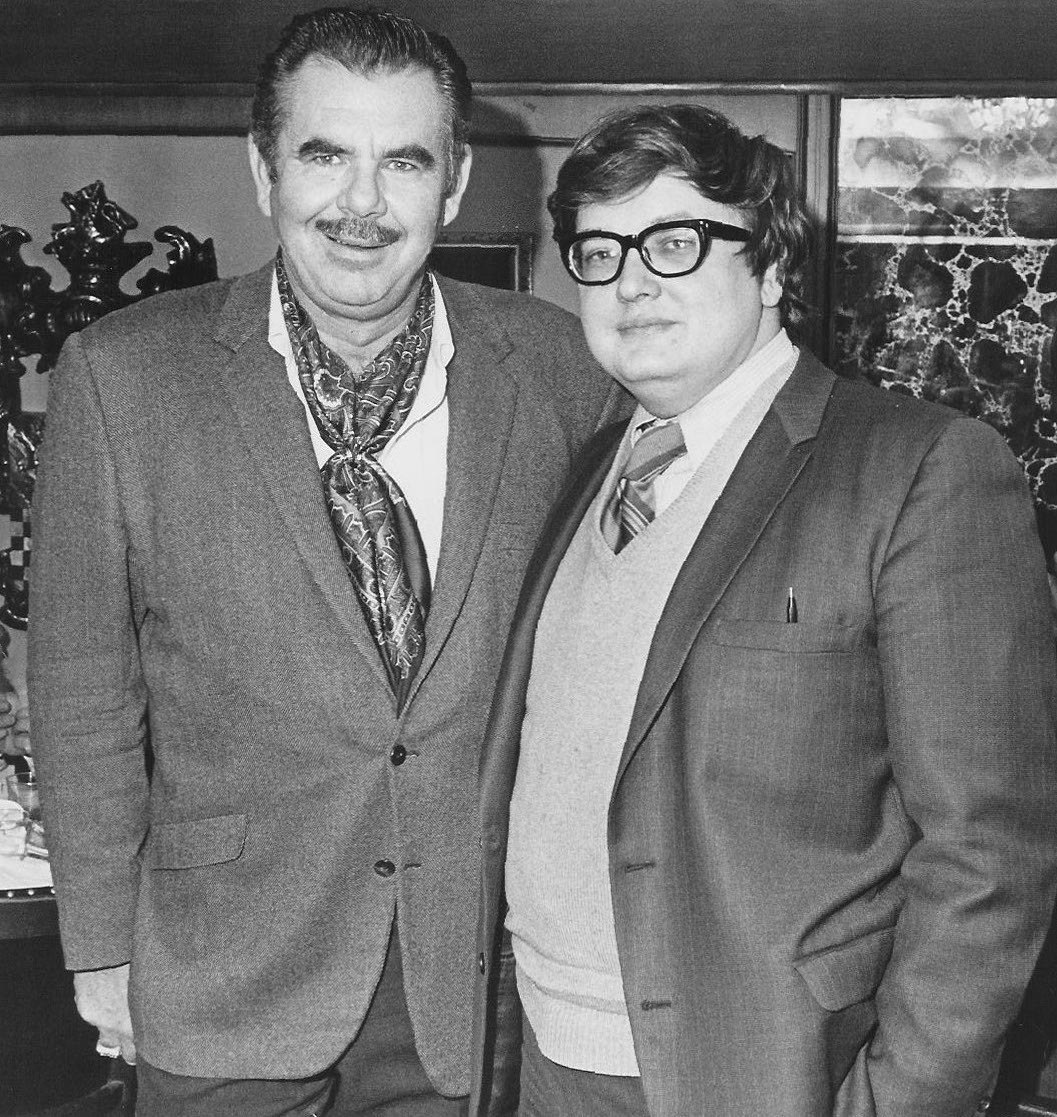
Where criticism appears and who writes it
Critics publish in many formats: print columns, feature essays, broadcast segments, podcasts and blogs. Traditional venues include newspapers and magazines, while modern platforms distribute criticism via the Internet, streaming shows, and radio programs. Some commentators split roles, offering quick consumer-oriented reviews as well as scholarly or historical writing; others specialize in criticism for festivals, television, or academic journals. People who present opinions about films are often called reviewers or critics; some also write books or teach film studies (commentary).
Methods and criteria
Good criticism balances description and judgment. Common criteria include narrative structure and screenplay, direction, acting, cinematography, editing, sound, and production design. Critics may also evaluate a film’s originality, emotional impact, and cultural relevance. Approaches vary: some critics favor formal analysis of technique, others apply historical, political, or psychological readings, and some use a personal, impressionistic voice. Readers should note whether a piece is primarily evaluative, interpretive, or historical.
History and development
Criticism grew alongside cinema itself. Early 20th-century journalists reported on screenings and performances; by mid-century, specialized film criticism and academic film studies emerged. Debates such as the auteur theory and genre definitions shaped how people read films. The late 20th and early 21st centuries brought new formats and a democratization of opinion: television reviewers, festival coverage, and online critics expanded the conversation. Aggregators and social media have since amplified diverse voices and real-time reactions to releases (broadcast and online platforms changed distribution of opinions).
Impact, uses, and distinctions
Movie criticism influences audiences, filmmakers, and cultural memory. Reviews can guide viewing choices and affect box-office attention; sustained critical support often helps films gain recognition, awards, or preservation. Criticism differs from promotion and marketing: it claims independence and aims to be honest about strengths and weaknesses. It also differs from academic film theory in tone and purpose—reviews are usually shorter and aimed at general audiences, while scholarly work is more methodical. For practical guidance, readers should consider the critic’s criteria, perspective, and potential biases when using criticism to decide what to watch or study (magazine essays, online reviews).
Useful practices for engaging with criticism include reading multiple voices, noting whether a critic avoids spoilers, and distinguishing personal taste from evaluative reasoning. Responsible critics disclose conflicts of interest and evaluate films on observable qualities as well as cultural significance. Whether used as entertainment, education, or a consumer tool, movie criticism remains a central part of how societies interpret and remember moving images.
Questions and answers
Q: What is movie criticism?
A: Movie criticism is the process of evaluating a movie and expressing an opinion about it.
Q: Who are movie critics?
A: Movie critics are people who write or discuss their opinions about movies in newspapers, magazines, television, internet or radio shows.
Q: What do movie critics do?
A: Movie critics evaluate movies and give their opinions on various aspects such as acting, directing, writing, cinematography, etc.
Q: What are the mediums used by movie critics to express their opinions?
A: Movie critics express their opinions about movies in newspapers, magazines, television, internet, or radio shows.
Q: Do some movie critics write books about movies?
A: Yes, some movie critics also write books about movies and the history of movies.
Q: What is the purpose of movie criticism?
A: The purpose of movie criticism is to provide an evaluation and opinion of a movie, which can assist people in deciding whether they want to see it or not.
Q: How are movie critics helpful for the audience?
A: Movie critics are helpful for the audience as they provide an insight into the movie's strengths and weaknesses, which can help people make an informed decision about whether to watch the movie or not.
Related articles
Author
AlegsaOnline.com Movie criticism: definition, methods, history, and cultural role Leandro Alegsa
URL: https://en.alegsaonline.com/art/67197