
Film Noir: Origins, Style, Themes and Legacy
Film noir is a cinematic style and movement of mid-20th century American cinema noted for its moody lighting, moral ambiguity, crime-driven plots and lasting influence on modern noir and neo-noir.
Overview
Film noir is a descriptive label applied to a body of films, primarily American, that emphasize dark moods, morally ambiguous characters and crime-centered plots. Early observers used the French phrase film noir (literally "black film") to capture both the visual gloom and the pessimistic tone. These works are often classified as crime or drama, and many are simply regarded as influential movies made within the Hollywood studio system.
Image gallery
10 Images


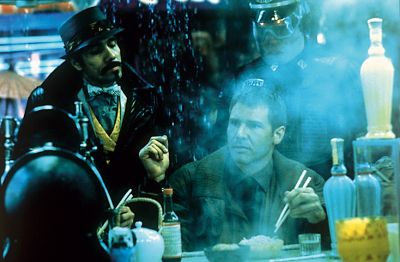

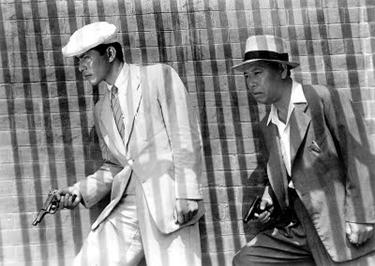
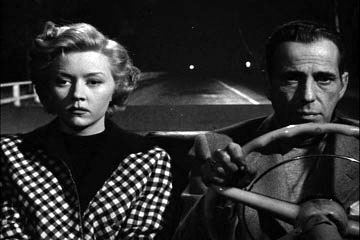

Defining characteristics
Although noir resists a single definition, common features recur: urban settings, cynical protagonists, fatalism, and seductive but dangerous women. Sexual tension and moral decay are frequent leitmotifs, often involving illicit desire or sex and institutional corruption. Noirs were most prominent from the early 1940s through the late 1950s, but the sensibility appears across multiple genres, including gangster pictures and private-eye or detective stories.
Style and visual approach
The visual vocabulary of noir makes extensive use of low-key, high-contrast lighting, dramatic angles and heavy shadows. Filmmakers adapted techniques influenced by earlier European movements—especially German expressionist cinema—and masters like Fritz Lang who experimented with stark composition and disturbing atmospheres. Cinematographers often employed inventive lighting techniques to model faces with harsh rim light and deep pools of darkness.
Historical influences and themes
Noir emerged from a collision of influences: the bleak urban realism of 1930s French films and novels, a literary strain of hardboiled crime fiction, and postwar anxieties that foregrounded fatalism. Writers such as Dashiell Hammett and Raymond Chandler provided prototypes for the private investigator and the tightly plotted, morally complex narratives that became noir staples.
Common elements and examples
- Antiheroes and compromised narrators
- Femme fatales who complicate motives and loyalties
- Urban nightscapes, rain-slick streets and shadowed interiors
- Nonlinear storytelling devices such as flashbacks and voice-over
Many classic examples are frequently cited by critics and historians; the label also extends to later works that revive noir aesthetics under the name "neo-noir," showing the style's continuing cultural resonance.
Legacy and distinctions
Film noir is less a strict genre than a set of recurring motifs and a visual mood with deep roots in literature and European film. Distinctions matter: some films are called "noir" only retrospectively, while others consciously update noir tropes. Its influence persists in contemporary thrillers, independent cinema and television, where the interplay of light, narrative ambiguity and urban malaise continues to shape storytelling.
Questions and answers
Q: What is film noir?
A: Film noir is a term used to describe crime drama movies from Hollywood that are often focused on sex, crime, and corruption.
Q: When were film noir movies made?
A: Film noir movies were mostly made from the early 1940s to the late 1950s in the United States.
Q: What does "film noir" mean?
A: The term "film noir" comes from the French term for "black film" or "dark film".
Q: What types of genres are included in film noir movies?
A: Film noir movies include many different genres of movies, such as gangster movies, police movies, and detective movies.
Q: How were these films shot?
A: Film noir movies were often filmed so that there were many dark shadows in the movie, even on characters' faces.
Q: Who influenced Hollywood's version of film noirs?
A: The Hollywood film noirs were influenced by German film directors such as Fritz Lang who used dramatic lighting techniques and 1930s French books or films about heroes who would die at the end of the story or stories with sad endings. They also drew influence from crime fiction such as detective and crime stories by Dashiell Hammett, James M. Cain, and Raymond Chandler.
Related articles
Author
AlegsaOnline.com Film Noir: Origins, Style, Themes and Legacy Leandro Alegsa
URL: https://en.alegsaonline.com/art/34326